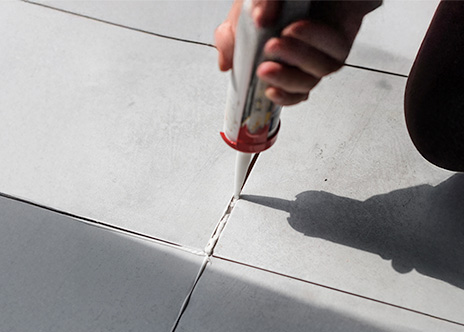
Understanding Tile Grout: Types, Application & Maintenance Tips
January 23, 2026
When we think about tiles, we usually focus on colour, finish and size. But there’s one small detail that has a big impact on how the space looks and performs: tile grout. Those thin lines between tiles do more than just fill gaps.
Grout holds tiles in place, stops dust and moisture from going under them, and gives the wall or floor a neat, finished look. If the grout is poor in quality, it can crack, stain, or crumble. Even the best tiles then start to look old and untidy. That’s why it’s important to buy a good and long-lasting tile grout.
What Is Tile Grout and Why Does It Matter?
Tile grout is the material used to fill the joints between tiles once they are fixed. It:
- Keeps tiles stable and aligned.
- Blocks dust and water from slipping into gaps.
- Frames the tiles and completes the overall look.
- Grout absorbs minor tile size variations.
- It helps in thermal movement, preventing cracks and edge cliffing.
If the grout is weak or badly applied, you may see uneven lines, cracks, hollow sounds when you walk, or black and dirty joints. Good-quality grout reduces all of this and helps your tiles look fresh for longer.
Types of Tile Grout
Knowing the main types of tile grout makes it easier to choose what is right for each space in your home.
1. Cement-based grout
This is the most common and traditional type.
- Made from cement, sand and additives.
- Comes as sanded or unsanded, depending on how wide the joints are.
- Works well for many indoor walls and floors.
- More budget-friendly than other types.
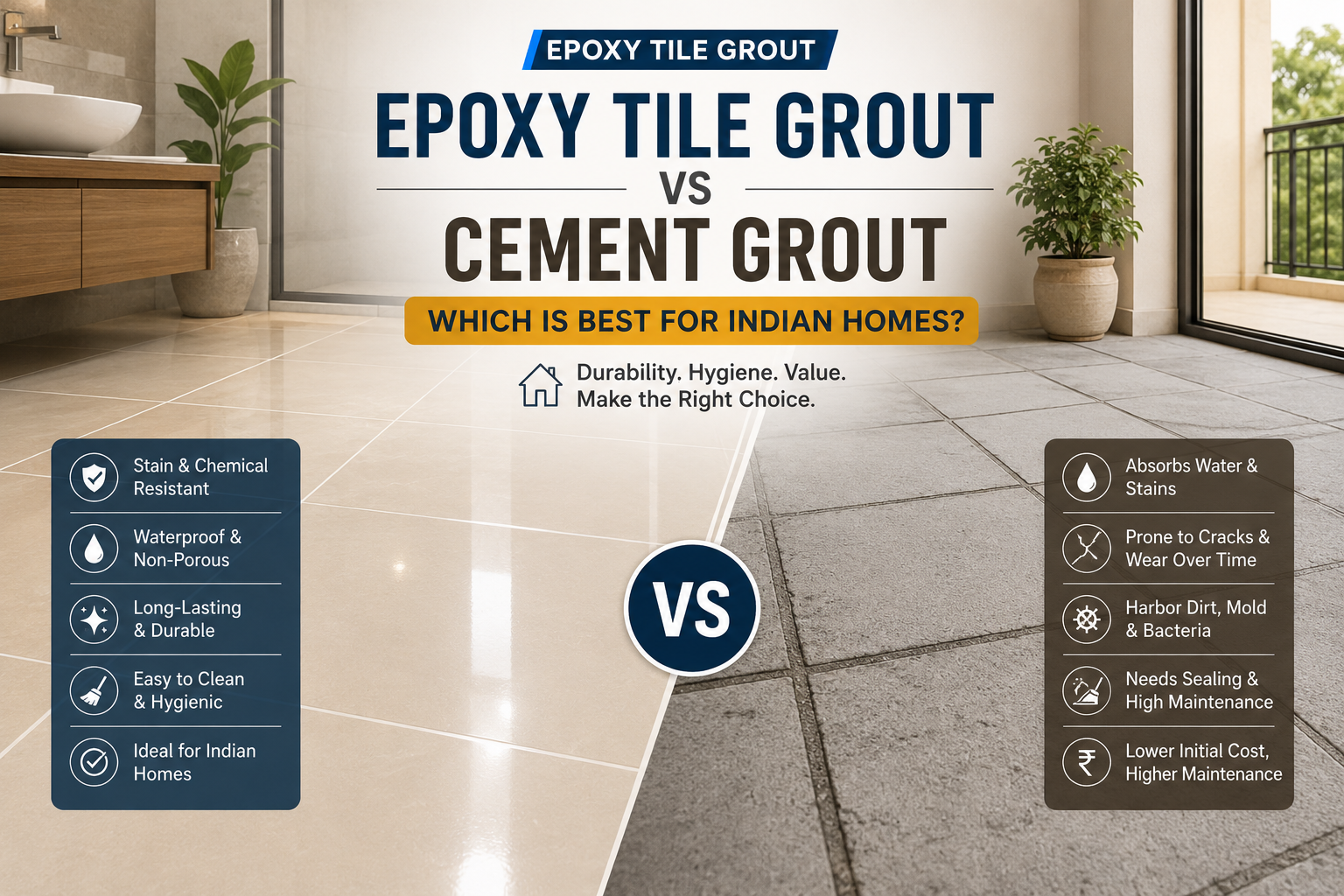
However, cement grout is more porous. It can absorb water and stains, so it often needs sealing, especially in kitchens and bathrooms.
2. Epoxy grout
Epoxy grout is a newer, high-performance option. It is popular for areas that see a lot of water, stains or cleaning.
In brief, epoxy grout is a high-performance, non-porous, chemical-resistant grout for tile joints. It is waterproof, stain-proof and UV-stable, so it works well in submerged, high-traffic and chemically exposed spaces. With strong bonding, non-shrink behaviour and easy maintenance, it gives a long-lasting, hygienic finish on floors and walls.
Epoxy grout is often used in:
- Shower areas and wet rooms.
- Kitchen countertops and backsplashes.
- Balconies, terraces and pools.
Epoxy tile grout by Somany Ceramics also gives you many colour options such as dark grey, golden brown, natural gold, hemp, and ivory, among others. This helps you match or contrast the grout with your tiles very precisely.
3. Ready-mix or polymer-modified grout
These grouts have added polymers that improve flexibility and bonding.
- Easy to mix and apply.
- Often more resistant to small cracks.
- A good middle option between basic cement grout and full epoxy grout.
They work well in homes where you want better performance than plain cement grout but don’t need the full strength of epoxy in every space.
Choosing the Right Grout Colour
Grout colour can completely change the way your tiles look. Think of it like a border around each tile.
You can follow three simple approaches:
1. Match the tile colour
A. Grout is close to the tile shade.
B. Joints blend in, creating a seamless look.
2. Pick a slightly darker shade
A. Joints are visible, but not very bold.
B. Helps hide light dust and mild stains on floors.
3. Use a contrast colour
A. Joints stand out clearly.
B. Highlights tile shapes and patterns, such as subway tiles or hexagons.
C. Works nicely for feature walls or statement floors.
With epoxy tile grout, you have more control because of the wider colour palette.
- Dark gray looks sharp with light tiles.
- Golden brown and natural gold suit warm, earthy or wood-look tiles.
- Hemp pairs well with stone-look and beige tiles.
- Ivory is soft and neutral for light, subtle surfaces.
A few other elegant colour options are available, including slate grey, alpine blue, antique white, aqua marine, beige, black, burgundy, coffee brown, and more. A small sample board with the tile and grout together can help you decide what feels right.
Application Tips for a Better Finish
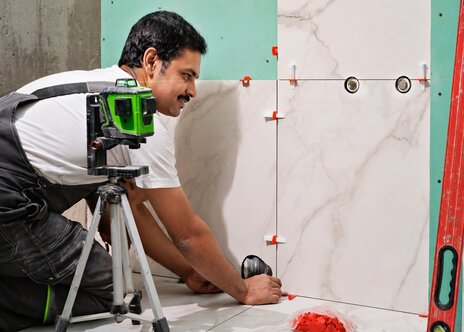
Even the best grout needs careful application. Here are a few simple tips:
- Clean the joints first: Remove extra adhesive and dust before you start grouting.
- Follow mixing instructions: Use the correct ratio of powder and liquid. For epoxy grout, follow the timing closely, as it sets faster.
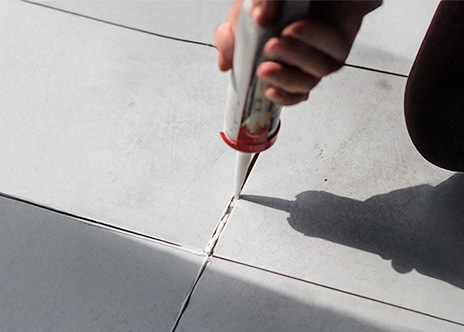
- Work in small areas: Apply grout to a limited section, pushing it firmly into the joints.
- Wipe off extra grout: Use a damp sponge to clean tile surfaces before the grout hardens, especially with coloured and epoxy grouts.
For epoxy grout, it’s often a good idea to hire experienced applicators. They know how to handle the shorter working time and can give you a cleaner finish.
Maintenance Tips to Keep Grout Looking New
Good maintenance is simple but important:
- Clean regularly: Use mild cleaners and a soft brush or cloth. Avoid very harsh acids on cement grout.
- Seal if advised: Cement-based grout often benefits from a sealer. This helps reduce stains and water absorption.
- Wipe spills quickly: Clean up strong colours like coffee, turmeric or hair dye as soon as they spill.
- Fix small issues early: Repair cracked or missing grout quickly to stop water from going under tiles.
Epoxy grout generally needs less care, as it is non-porous and stain-resistant. But regular gentle cleaning will still keep it looking bright and fresh.
Choosing the right tile grout is as important as choosing the right tiles. A trusted brand, the correct type for your space, the right colour, and proper application all work together to give you a strong, neat, and long-lasting finish. The right shade can help tiles blend together or stand out as a pattern. Modern options like epoxy grout, including those from Somany Ceramics, come in many colours. This lets you balance both performance and design. With a little attention during selection and some basic maintenance, your grout will quietly protect your tiles and keep your home looking well-finished for years.