
Filters

Application
Space
Size
Design/Finish
Pattern
Color
Thickness
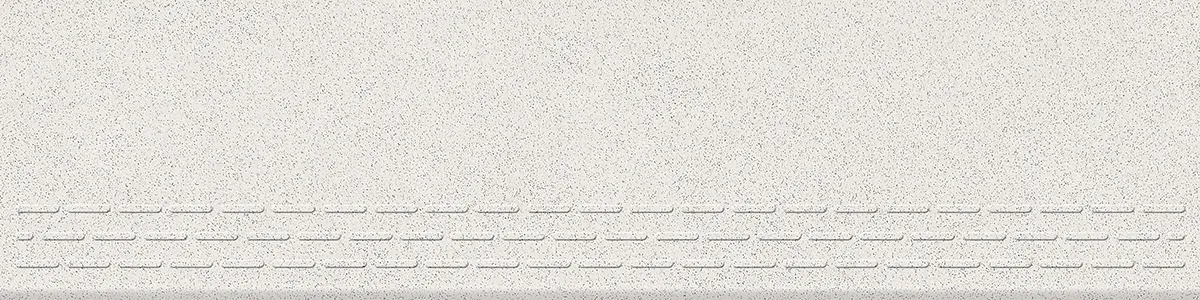
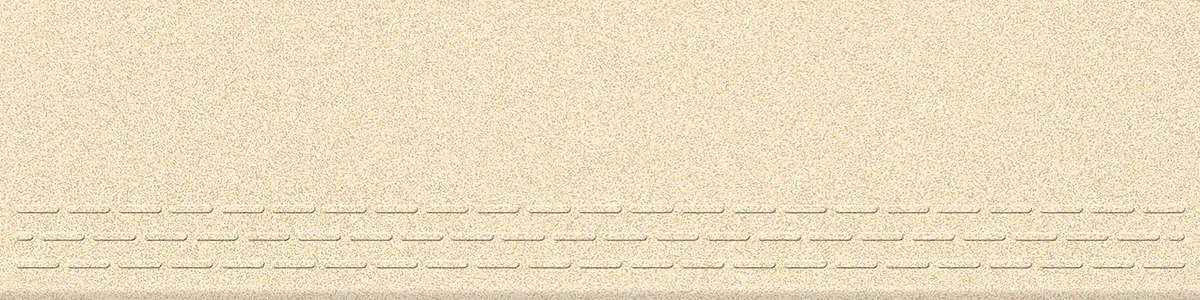
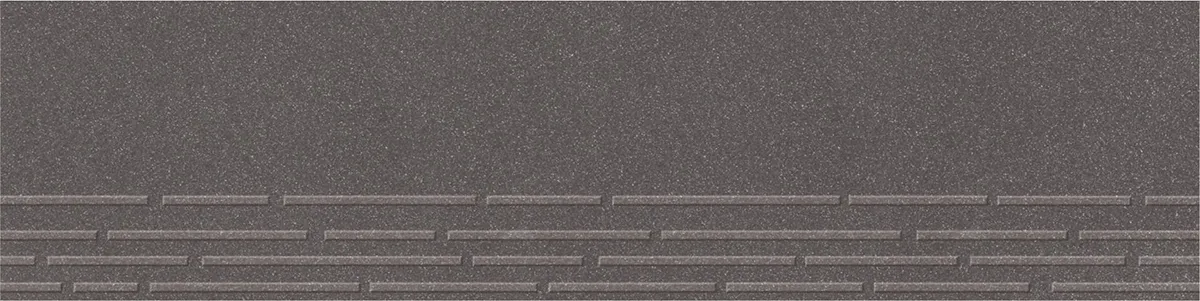
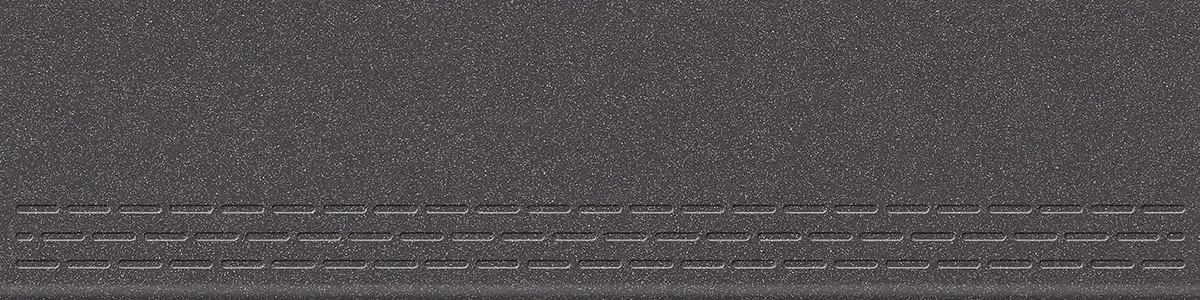
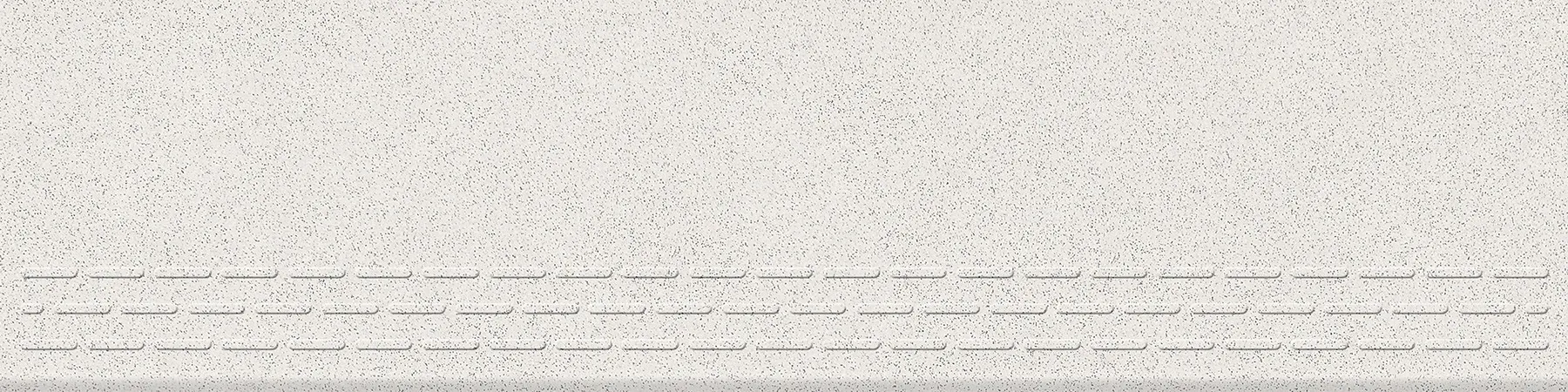


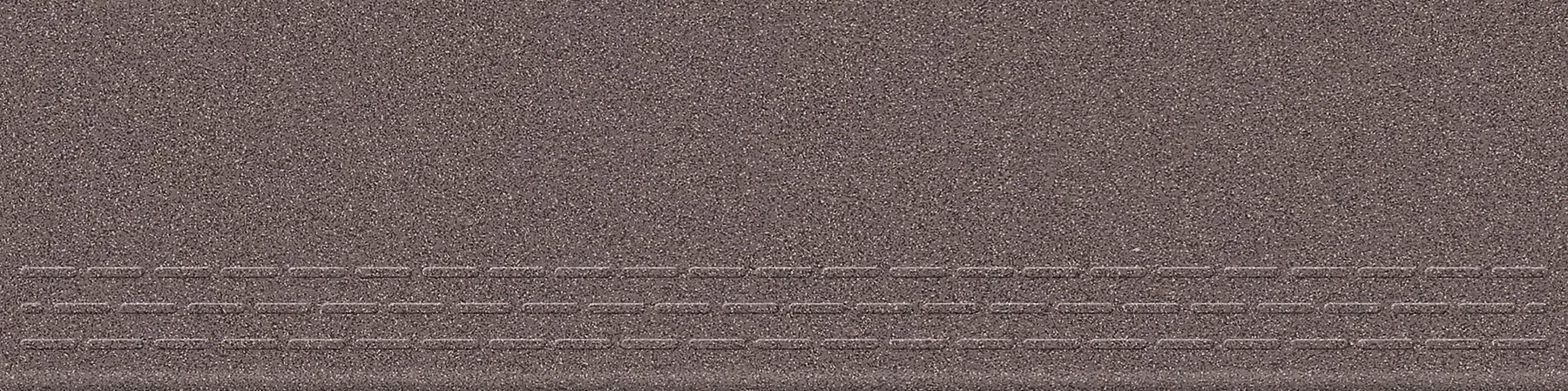
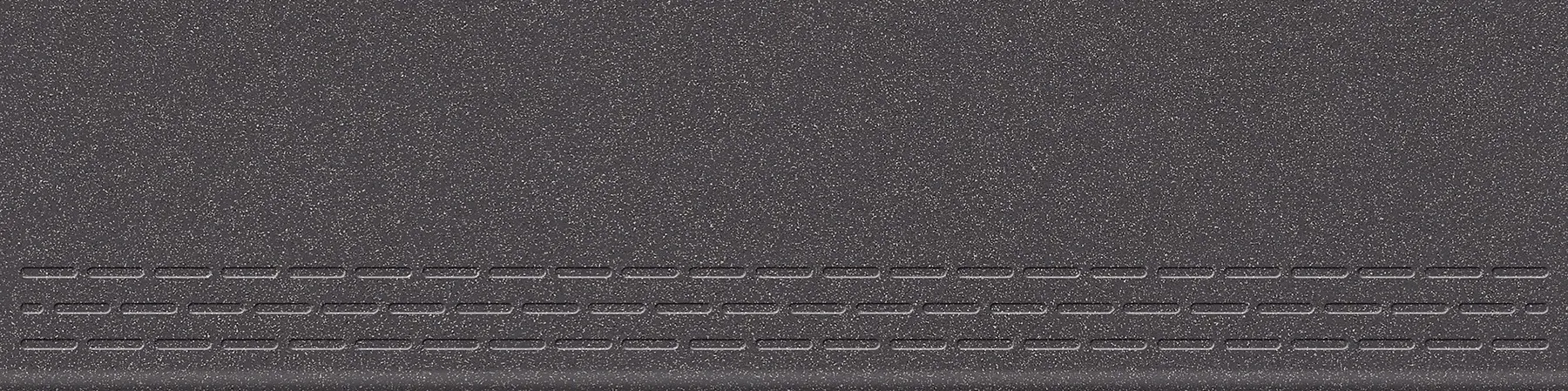

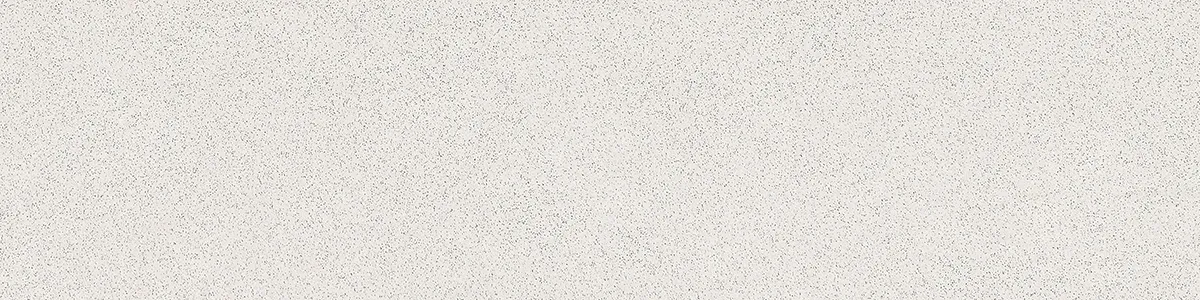
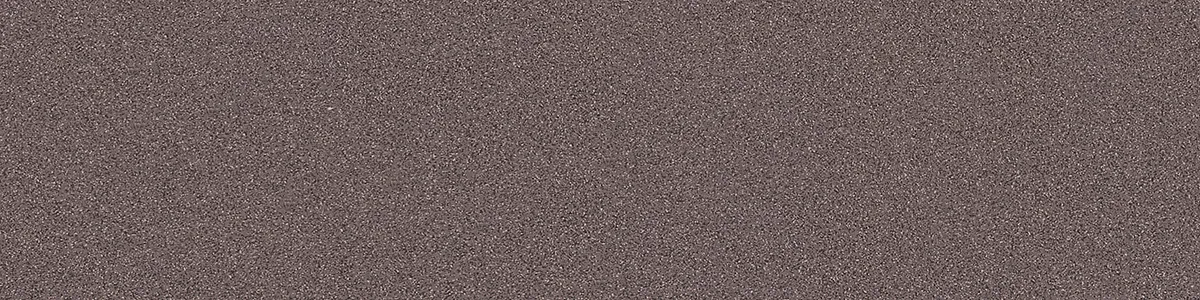


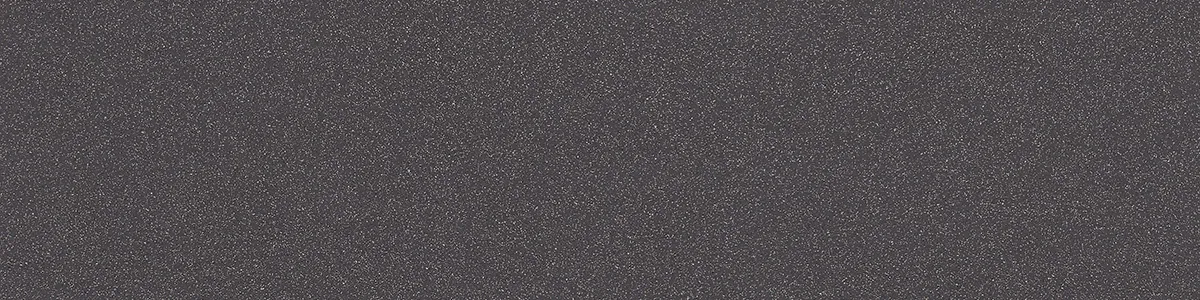


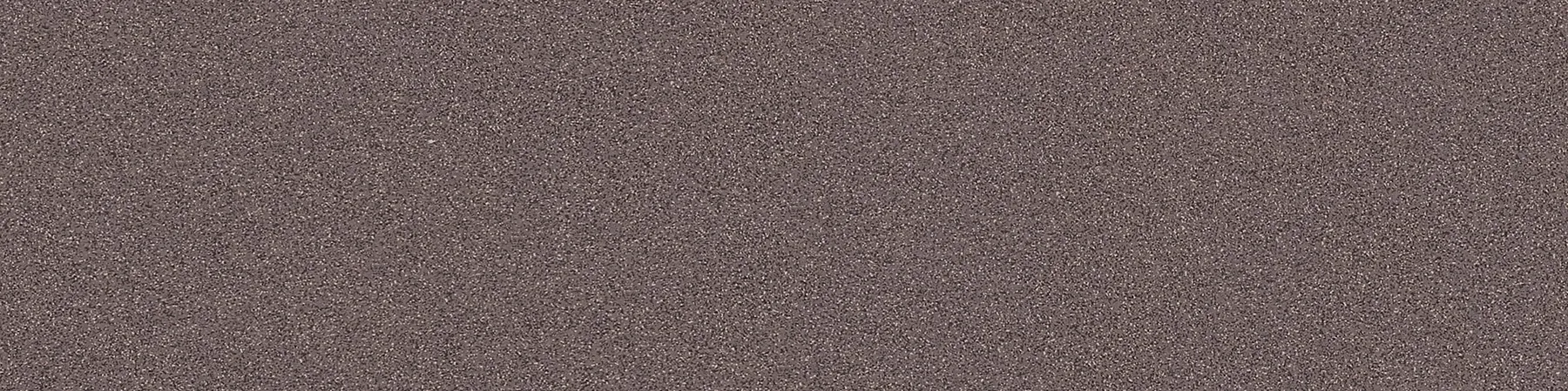
Built for confident movement.
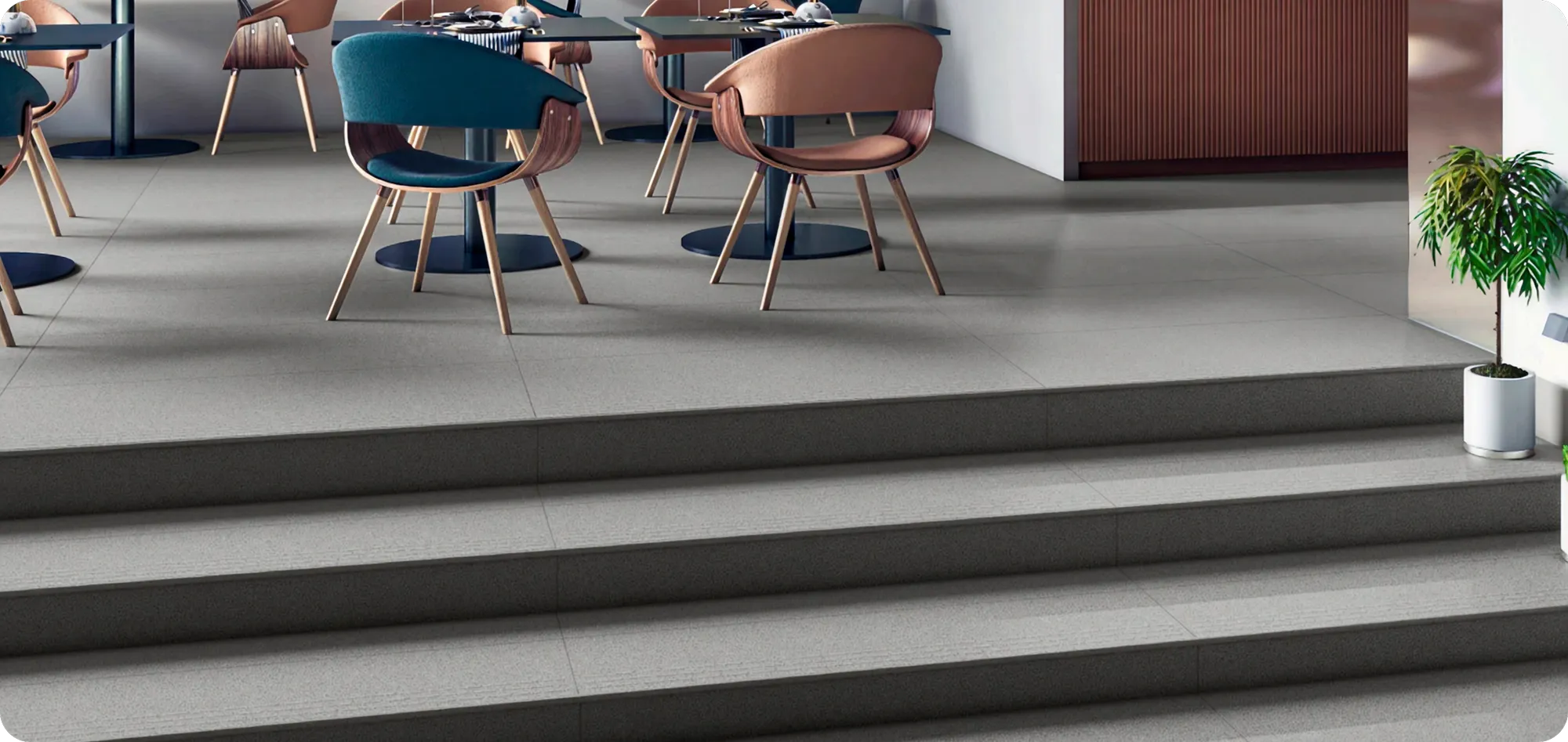
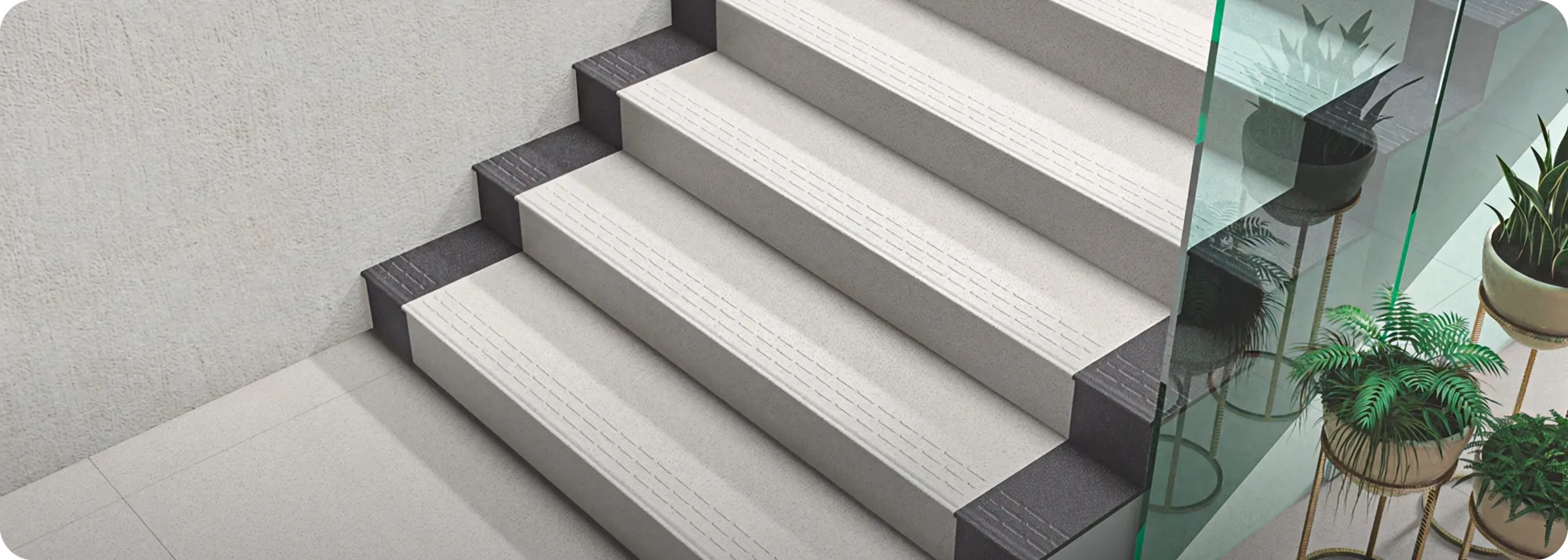
A purpose-driven surface defined by textured grip and structural reliability, blending safety with clean design continuity.
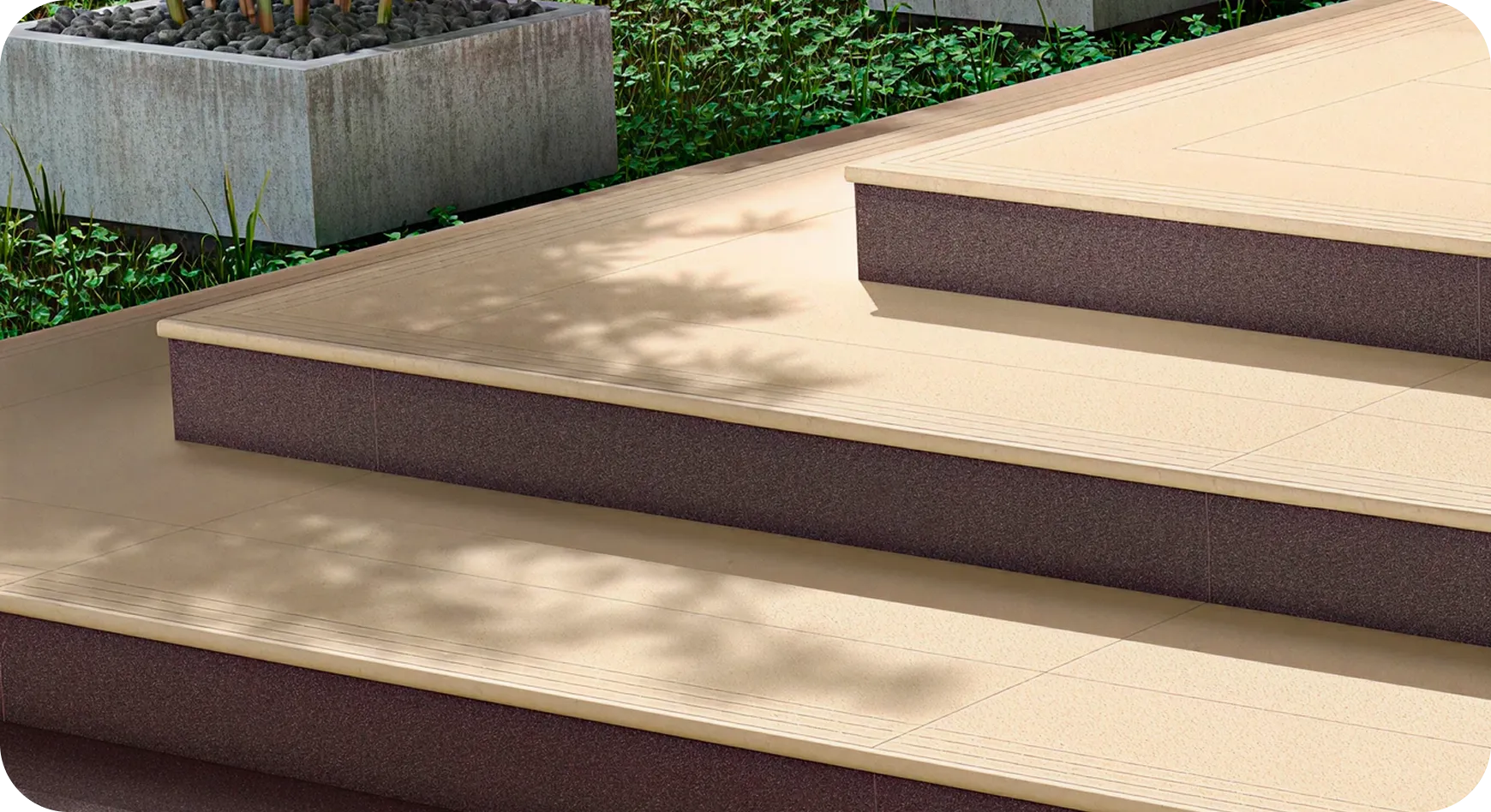
Inspired by the rhythm of architectural flow, the collection enhances movement through structured texture and balanced tone. Light interacts evenly across its surface, maintaining clarity while reinforcing traction and stability. Rooted in durability and proportion, Steps delivers a resilient, enduring foundation, ideal for residential and commercial environments that prioritise safety, continuity, and disciplined design expression. Designed to withstand constant use while preserving composure, Steps supports both functional performance and cohesive spatial aesthetics.
Steps combines reinforced construction with anti-skid surface detailing and enhanced tread lines to create durable finishes suited for staircases and level transitions.
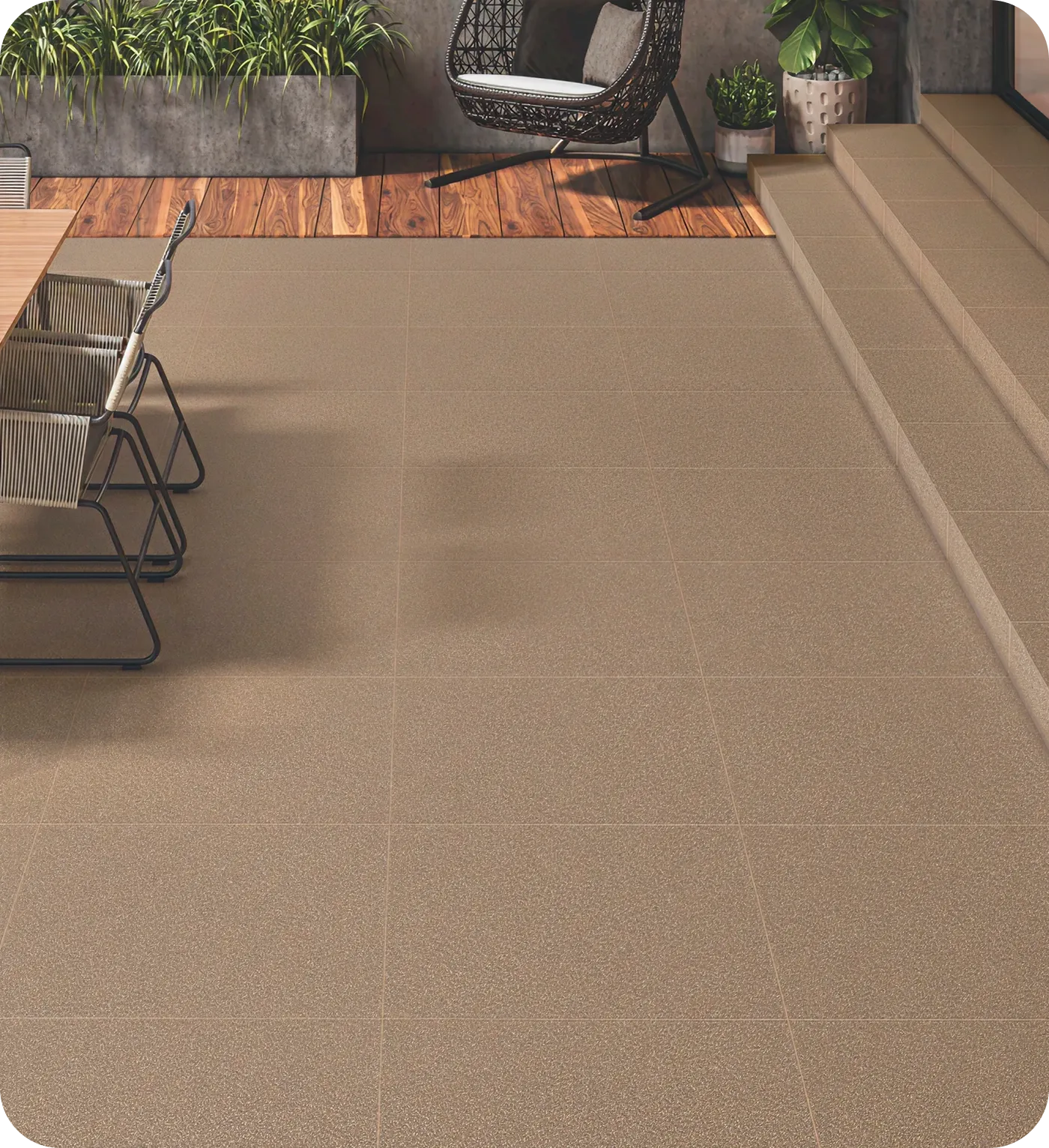
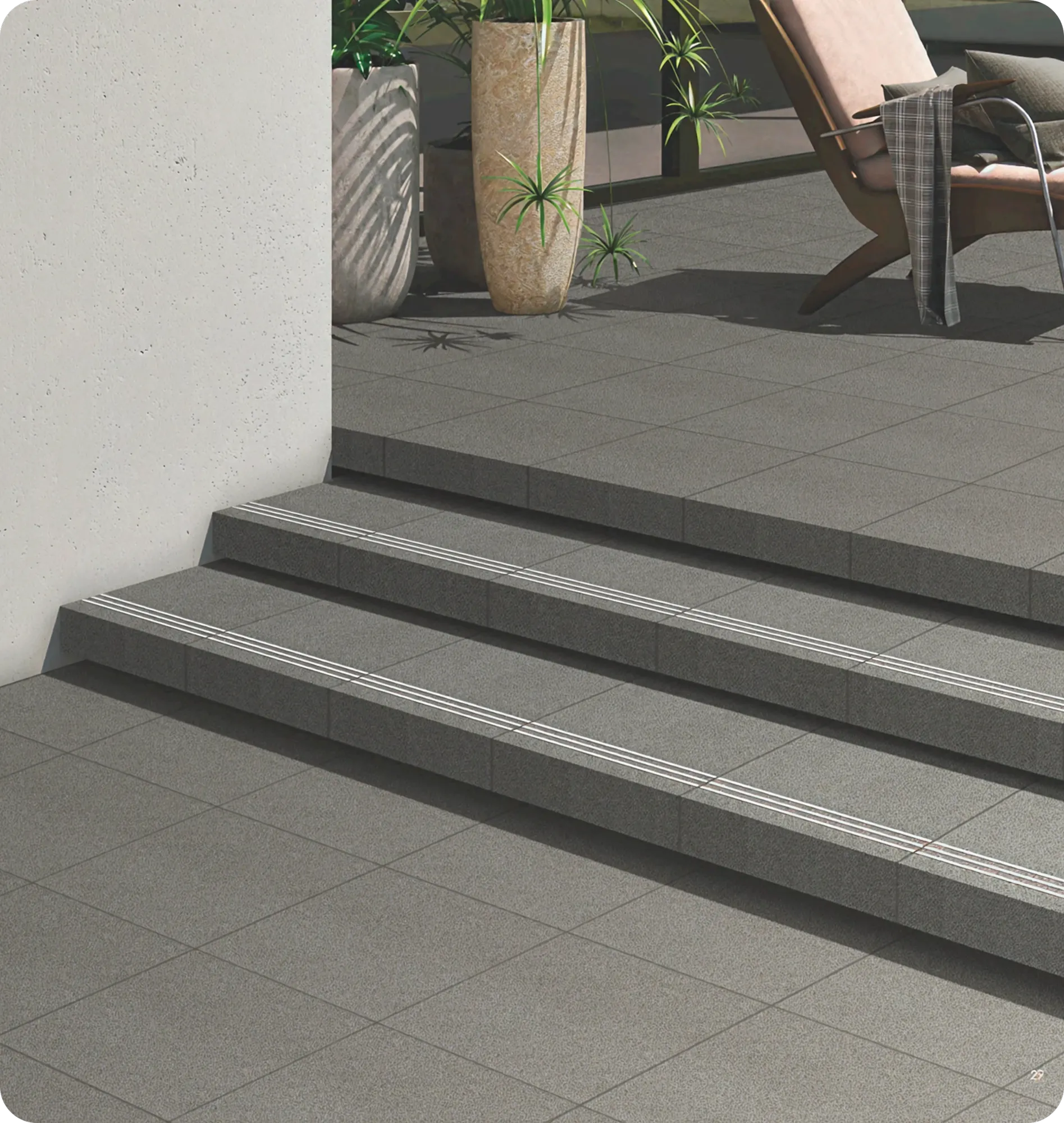
Ceramic tiles are a versatile and popular choice for homes due to their durability, wide range of designs, colors and patterns . They are suitable for various applications, including floors, walls, and backsplashes in kitchens and bathrooms.
While ceramic tiles can be used outdoors, but they are not as durable as vitrified tiles for outdoor use. They may not withstand severe temperature changes and heavy foot traffic as well as other materials designed for outdoor environments. Opt for heavy duty vitrified tiles ( Durastone ) they are designed to provide a high level of durability, strength, and longevity.
Yes, ceramic tiles come in a variety of finishes, including glossy, matte, textured, and glazed . This variety allows for flexibility in design and application, suiting different aesthetic preferences and functional requirements.
Absolutely, ceramic tiles are an excellent choice for kitchens. They are durable, easy to clean, and resistant to stains and spills, making them ideal for kitchen floors, walls, and backsplashes .
Ceramic tiles have a glazed protective layer that makes them resistant to water and stain penetration, making them suitable for wet areas like bathrooms and kitchens . However, they are not as impervious to moisture as porcelain tiles.
Yes, ceramic tiles are a great choice for bathroom walls . Ceramic tile comes in a wide range of colors, patterns and designs for a sleek, luxurious look. They can withstand the humid environment of a bathroom and are easy to clean and maintain.
Ceramic tiles are known for their affordability, making them a cost-effective option for flooring and wall applications. Prices can vary based on the tile's design, size, and finish , but overall, they offer good value for the quality and durability provided.
Ceramic tiles are highly suitable for bathroom space due to their water-resistant properties and ease of cleaning. Their wide range of designs, colors and finishes also allows for creative and attractive bathroom aesthetics.
Ceramic tiles can be used for exterior applications, but their suitability depends on: Porosity: Standard ceramic tiles are more porous than vitrified tiles, making them prone to water absorption and frost damage in cold climates. Slip Resistance: Textured or matte-finish ceramic tiles are safer for outdoor use (e.g., patios, walkways). PEI Rating: For exteriors, choose tiles with PEI IV or V (high abrasion resistance). Climate: In freeze-thaw regions, frost-resistant ceramic tiles are recommended.
Vitrified tiles are made by a high-temperature vitrification process combining clay, silica and feldspar. This creates a dense, glass-like finish making the tiles very hard, durable and nearly impermeable to water.
A tile where the color and pattern go all the way through the body, meaning scratches or wear won't reveal a different color underneath.
Porcelain tiles are fired at higher temperatures and are denser and harder than ceramic tiles. They absorb <0.5% water (ASTM standard), whereas ceramic tiles absorb ~3–7%. Porcelain’s low porosity makes it more durable and water-resistant.
Ceramic tiles are made from clay and other natural materials, while vitrified tiles are made from a mixture of clay and other materials that are then fired at high temperatures to create a denser, more durable tile.
Some common types of vitrified tiles include full-body vitrified tiles, double-charged vitrified tiles, and digital vitrified tiles. To know more visit Somany Experience centre for better understanding of tiles there usage and application. We have close to 20 Experience centers across India.
Double charge and soluble salt tiles are both types of vitrified tiles, but they differ in the way they are manufactured and their visual characteristics. Double charge tiles are made by pressing two layers of different colors of raw materials together and firing them at high temperatures. The top layer is around 3-4 mm thick, which gives the tile a thicker and denser surface. This process creates a tile with a unique, multicolored pattern that is highly resistant to scratches and stains. Soluble salt tiles, on the other hand, are made by printing a design on the surface of the tile and then applying a soluble salt solution that seeps into the tile's pores. This process results in a tile with a single, uniform color and design, and a smooth surface. Soluble salt tiles are generally more affordable than double charge tiles, but they are not as durable and are more prone to wear and tear. In summary, the main differences between double charge and soluble salt tiles are the manufacturing process, the visual characteristics, and the level of durability. Double charge tiles have a unique, multicolored pattern and are highly durable, while soluble salt tiles have a uniform color and design and are more affordable but less durable. Somany offers Somany Ultra Charge and Soluble salt range which is best in the market in terms of design and quality.
Vitrified tiles are highly non-porous and are thus way more resistant towards stains than regular ceramic tiles. Ceramic tiles are generally available with coarse textures and surfaces, which makes them less slippery. Vitrified tiles have a smooth and glossy surface. Ceramic tiles are made from clay and other natural materials, while vitrified tiles are made from a mixture of clay and other materials that are then fired at high temperatures to create a denser, more durable tile.
Double charge and soluble salt tiles are both types of vitrified tiles, but they differ in manufacturing process, visual characteristics, and durability: Double Charge Tiles: Made by pressing two layers of raw materials together and firing at high temperatures. The top layer (3–4 mm) creates a thick, dense surface with unique multicolored patterns. Highly resistant to scratches and stains. Soluble Salt Tiles: Manufactured by printing a design on the surface and applying a soluble salt solution that seeps into the pores. Results in a uniform color/design with a smooth surface. More affordable but less durable and prone to wear. Summary: Double charge tiles are durable, scratch-resistant, and patterned, while soluble salt tiles are uniform, budget-friendly, but less durable. Somany offers Ultra Charge and Soluble Salt ranges, known for top quality and design.
Homogeneous Vitrified Tiles have a uniform color and texture throughout the tile, which makes them ideal for high-traffic areas like hospitals, schools, and public spaces. They are also highly durable and resistant to wear and tear. Somany Tech Homogenea is the best homogeneous range in the market available in various finishes, textures and sizes.
Yes, Homogeneous Vitrified Tiles can be used for residential applications, particularly in high-traffic areas like entryways, kitchens, and bathrooms.
Homogeneous Vitrified Tiles come in a range of colors and textures, including solid colors, speckled patterns, and textured finishes.
Regular cleaning with warm water and a mild soap (or neutral pH tile cleaner) is sufficient for porcelain. Avoid harsh acidic or ammonia-based cleaners (they can damage grout and glaze). After cleaning, dry tiles thoroughly.
No. Glazed porcelain tiles are impervious and do not require sealing. However, it is often recommended to seal grout lines to protect them from stains, since grout can absorb dirt over time.
Use a specialized acid-based tile cleaner diluted in water, or a paste of baking soda and lemon juice for a natural alternative (only on ceramic/vitrified).
Lippage is a condition where the edges of adjacent tiles are not at the same height, often caused by an uneven substrate or poor installation of large tiles.
Tenting occurs when tiles expand due to heat but have no room to move because of insufficient grout joints, causing them to lift or buckle.
Spacers ensure uniform grout lines and provide the necessary room for the tile to expand and contract with temperature changes.
It is possible if the surface is thoroughly roughened and a high-bond strength adhesive like SEF 666 or SEF 777 is used.
A powerful acid-based solution used to remove post-installation cement film, grout residue, and hard water stains from tiles.
To keep your tile and grout looking their best, you should clean them regularly with a mild detergent and warm water. You can also use specialized cleaners or steam cleaners to remove stubborn stains. Additionally, you should seal your grout to prevent it from becoming discolored or stained over time.
Daily Cleaning: Sweep/Vacuum: Remove dust and grit to prevent scratches. Mop with pH-neutral cleaner: Avoid acidic/abrasive chemicals (e.g., vinegar, bleach). Microfiber cloth: Best for glossy tiles to avoid streaks. Stain Removal: Oil/Grease: Dish soap + warm water. Hard Water: White vinegar (diluted). Grout Stains: Baking soda paste or oxygen bleach. Long-Term Maintenance: Grout Care: Seal grout lines annually (sanded grout for floors, epoxy grout for wet areas). Scratch Prevention: Use felt pads under furniture. Gloss Retention: For polished tiles, avoid harsh scrubbers. Special Tile Care: VC Shield Tiles: Extra scratch-resistant – normal cleaning suffices. Slip Shield (Anti-Slip): Use a soft brush for textured surfaces. Natural Stone Look Tiles: Re-seal periodically if unglazed. Pro Tip: For large-format tiles (LFT), use a flat mop to prevent lippage (uneven edges). Avoid steam mops on vitrified tiles (heat can weaken adhesive).
When choosing lobby tiles, you should consider factors such as the level of foot traffic, the overall design of the space, and the color scheme. You may also want to choose tiles that are slip-resistant and easy to maintain. Usually Somany large format tiles (Max & Tech Homogenea) are most suitable tiles for application.
To install temperature-resistant tiles, you should first prepare the surface by cleaning and leveling it. You can then apply an adhesive specifically designed for high temperatures and place the tiles in the desired pattern. Finally, you should use a high-temperature grout to fill in the gaps between the tiles.
Tile have a tendency of bending. Tile spacers allow you to keep your floor level and ensure that each tile is properly grouted. If your tiles are too close together, you risk damage if they expand. They could also become dislodged or chipped. Spacers provide a more secure, durable surface.
Yes it is possible to install tile on tile, however one needs to keep in mind that the floor height will increase and that may call for readjustment of doors etc.
Improper adhesion, can cause tile to pop out pop out, break, or bend, creating unevenness in the floor.
No
This information is provided in the installation film which is available on the website
Somany stays ahead through: Global Collaborations: Partnerships with Italian and Spanish designers for cutting-edge patterns. R&D Focus: Innovations like VC Shield, Temp Shield, and advanced digital printing. Trend Forecasting: Active participation in international expos (e.g., Cersaie, Cevisama). Sustainability: Eco-friendly manufacturing processes and use of recycled materials. Result: Timeless designs (marble and wood looks) combined with technology-backed durability.
Yes, Somany provides post-installation support. The durability of tiles varies by type: VC Shield Tiles: Highly abrasion-resistant (50,000+ rotations).
Consistency in Durability, Quality & Appearance: SOMANY tiles are crafted from top-quality materials and rigorously tested for outstanding durability. They resist abrasion, stains, warping, and wear, minimizing cracks, chips, breakage, or fading. Renowned for uniformity in size, shape, thickness, and appearance, enhancing aesthetic appeal. Money for Value: SOMANY products offer more than “value-for-money” — they deliver “money-for-value.” By paying a slight premium, customers gain significantly higher value in return. Trusted Legacy: With over 50 years of legacy, SOMANY has consistently earned customers’ trust through innovation. As pioneers in ceramics in India, SOMANY delivers high-quality products trusted by millions in India and abroad.
Yes, Somany tiles are eco-friendly. The company follows sustainable manufacturing processes, uses recycled materials where possible, and ensures minimal environmental impact. The tiles are certified by relevant environmental standards, contributing to green building certifications like IGBC.
Delivery timelines depend on product availability, location, and order quantity. Standard products are usually delivered within 7-10 days, while customized orders may take longer (4-6 weeks). Exact timelines can be confirmed upon order placement.
Yes, Somany can share case studies and references from residential, commercial, and hospitality projects where their tiles have been successfully installed.
Standard designs remain in production, but some limited editions or trend-based designs may be phased out. Architects/clients are advised to check stock availability for specific designs.
Somany has a wide distribution network and partners with logistics providers to ensure delivery even to remote locations. Minimum order quantities (MOQ) may apply for customized orders.
If undulation (unevenness) occurs, the following steps are recommended: Check Substrate: Ensure the base is level before installation. Use Proper Adhesive: Follow recommended application techniques and choose from Somany’s curated EZY Fix Adhesive and Grout range. Consult Experts: Somany provides technical support for rectification. Replacement (if needed): In case of manufacturing defects, replacement can be arranged under warranty.
Somany maintains strong inventory management and production planning to ensure consistent supply. Projecttimelines are tracked, and dedicated teams coordinate with dealers/contractors to avoid delays.
PEI III or IV is standard for most home interiors. VC Shield tiles are used when ratings beyond the standard PEI V are required.
Our commitment to quality is recognized worldwide. These awards and certifications reflect our unwavering standards and assure you of a truly world-class product.


