Bathroom Tile Grout: How to Choose, Apply & Prevent Mould
January 23, 2026
Bathrooms are often the smallest rooms in the house, but visually they carry a lot of weight. A neat, elegant bathroom can make the whole home feel more refined. We usually spend time choosing the right wall colours and tile designs, but the finish also depends heavily on something far more technical: bathroom tile grout. The quality and colour of the grout can decide whether your tiles look truly seamless or slightly unfinished.
Grout is the material that fills the narrow spaces between tiles. It’s usually made from cement, sand and lime, with colour pigments added when you want coloured grout. It locks tiles in place and bridges the gaps and gives tiles breathing space for expansion, so the whole surface behaves like one solid layer. Grout also stops dust, water and dirt from slipping into the joints or under the tiles.
If you want smooth, clean-looking walls and floors with minimal visible joints, you can’t treat grout as an afterthought. The right grout (both in terms of quality and colour) has a big impact on how your bathroom looks and how long it lasts.
Let’s see how to choose, apply and maintain bathroom tile grout and floor tile grout, and how to keep mould under control.
What Is Epoxy Grout & Why Is It Popular in Bathrooms?
Epoxy grout is different from regular cement grout. It doesn’t use cement and plain water as its main base. Instead, it is made from:
- Epoxy resin
- Silica-based fillers
- Colour pigments
- And hardeners
This formula makes it much less absorbent and more resistant to chemicals, water and stains.
In simple terms, epoxy grout is a high-performance, non-porous, chemical-resistant grout suitable for tile joints in homes, commercial spaces and even industrial areas prone to water or moisture. Its waterproof and stain-proof nature makes it a strong choice for wet or exposed zones. It bonds well, doesn’t shrink much and is easy to keep clean, so it stays hygienic for longer.
Why it works well in bathrooms
For bathroom tile grout and floor tile grout, epoxy has clear advantages:
- It is three to five times more water-resistant than cement grout.
- It is less porous, so it absorbs fewer stains.
- It keeps its colour more evenly over time.
Grout may seem like a small detail, but it significantly affects how your bathroom looks, feels and ages. The right bathroom tile grout and floor tile grout, if chosen correctly, applied properly and cleaned regularly, helps tiles stay firm, joints clean and protects from formation of moulds and
Performance checks
In bathrooms, design is only half the story. Performance matters just as much. Good grout should:
- Be waterproof and stain-resistant, especially in shower areas.
- Have strong bonding so tiles stay steady over time.
- Hold its shape without shrinking or cracking as the room heats, cools and gets cleaned.
- Have a non-porous surface so dirt, mould and mildew find it harder to settle.
When you pick a product, read the pack or ask the dealer about these features. For floor tile grout in wet zones, it’s worth going for a better-quality option.
How to Apply Bathroom Tile Grout Properly
You may not grout the tiles yourself, but knowing the basics helps you monitor the work and demand a better finish.
1. Prepare the joints
- Tiles should be firmly fixed and the adhesive fully dried.
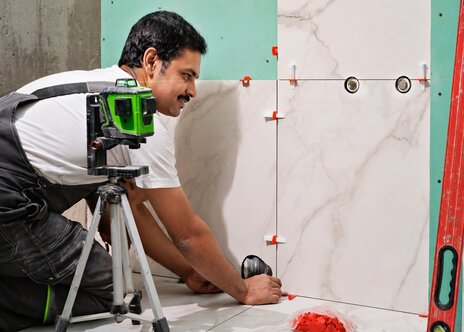
- Tile spacers should be used during installation to maintain uniform joint widths; remove spacers before grouting.
- Scrape out extra adhesive from between tiles so joints are clean and even.
- Brush out loose dust before grouting.
2. Mix the grout correctly
- Follow the instructions for the powder and water ratio mentioned on the packaging.
- Mix until you get a smooth, lump-free paste.
- For epoxy-based bathroom tile grout, strictly observe the mixing time, pot life (usable time after mixing), and setting time. Prepare only as much material as can be applied within the specified pot life, as the grout will begin to harden beyond this period.
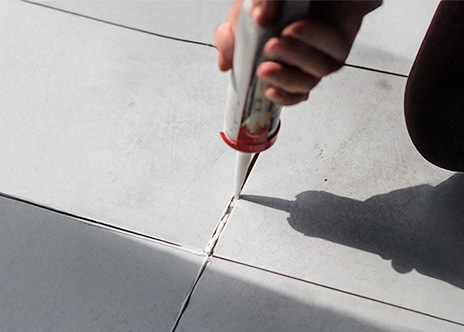
3. Fill the joints
- Apply masking tape on the tiles and only expose groutin area.
- Use a rubber grout float or squeegee.
- Spread the grout at an angle, pushing it firmly into the joints.
- Make sure every joint is fully packed; empty spots are weak points.
4. Clean the tile surface
- After a short waiting time (as per the instructions), wipe the surface with a damp sponge.
- Clean in gentle circular motions and rinse the sponge often.
- Avoid flooding the tiles with water; too much can weaken fresh grout.
5. Final touch-up
- Remove the masking tape.
- Once the grout starts to firm up, use a slightly damp cloth to remove any haze on the tiles.
- Check all joints and top up any low or missing areas before it sets fully.
Good application is like good tailoring. The same material can look average or excellent depending on how it’s finished.
How to Prevent Mould in Grout Lines
Those dark or black lines that appear along tile edges are usually mould. It often shows up:
- Where the wall meets the floor or even between the joints.
- Around shower corners
- Near areas that stay damp for long
Bathrooms in Indian homes see a lot of humidity from bucket baths, showers and daily mopping. When surfaces stay wet and joints are not cleaned or sealed well, mould grows easily in the grout. It not only looks dirty but can also cause problems for people with allergies or breathing issues.
To keep mould away:
Clean regularly
- Use a mild cleaner and a soft brush along the grout lines.
- Don’t wait till the joints turn black.
Dry and ventilate
- Keep the exhaust fan on during and after a bath.
- Leave windows open when possible.
- Wipe particularly wet patches if they stay damp for too long.
Use grout sealer where suitable
- A bathroom tile grout sealer adds a thin protective layer on the joints.
- This makes it harder for water, soap scum and mould spores to stick to the surface.
Regular cleaning is the first line of defence against mould and mildew. A good sealer gives extra protection. Epoxy grout from Somany Ceramics can help here too. It is designed to be crack-free, waterproof and stain-resistant, which makes mould growth less likely compared to ordinary cement grout.
Brands like Somany Ceramics offer epoxy and advanced grout options that are suited to Indian homes, where bathrooms see heavy use, frequent cleaning and high humidity. When you pair good tiles with the right grout, you get a bathroom that looks elegant, stays healthier and is easier to maintain day after day.