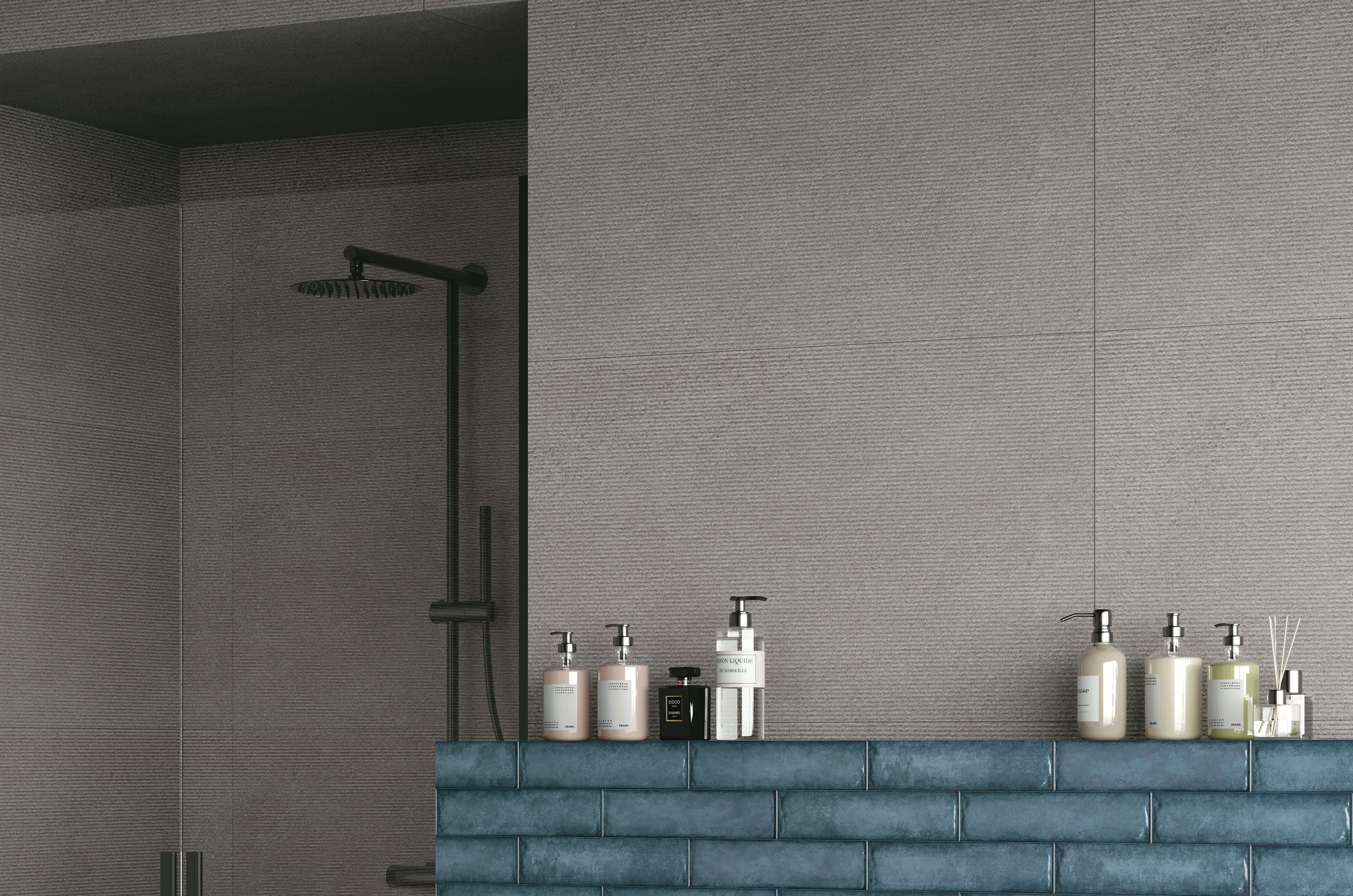
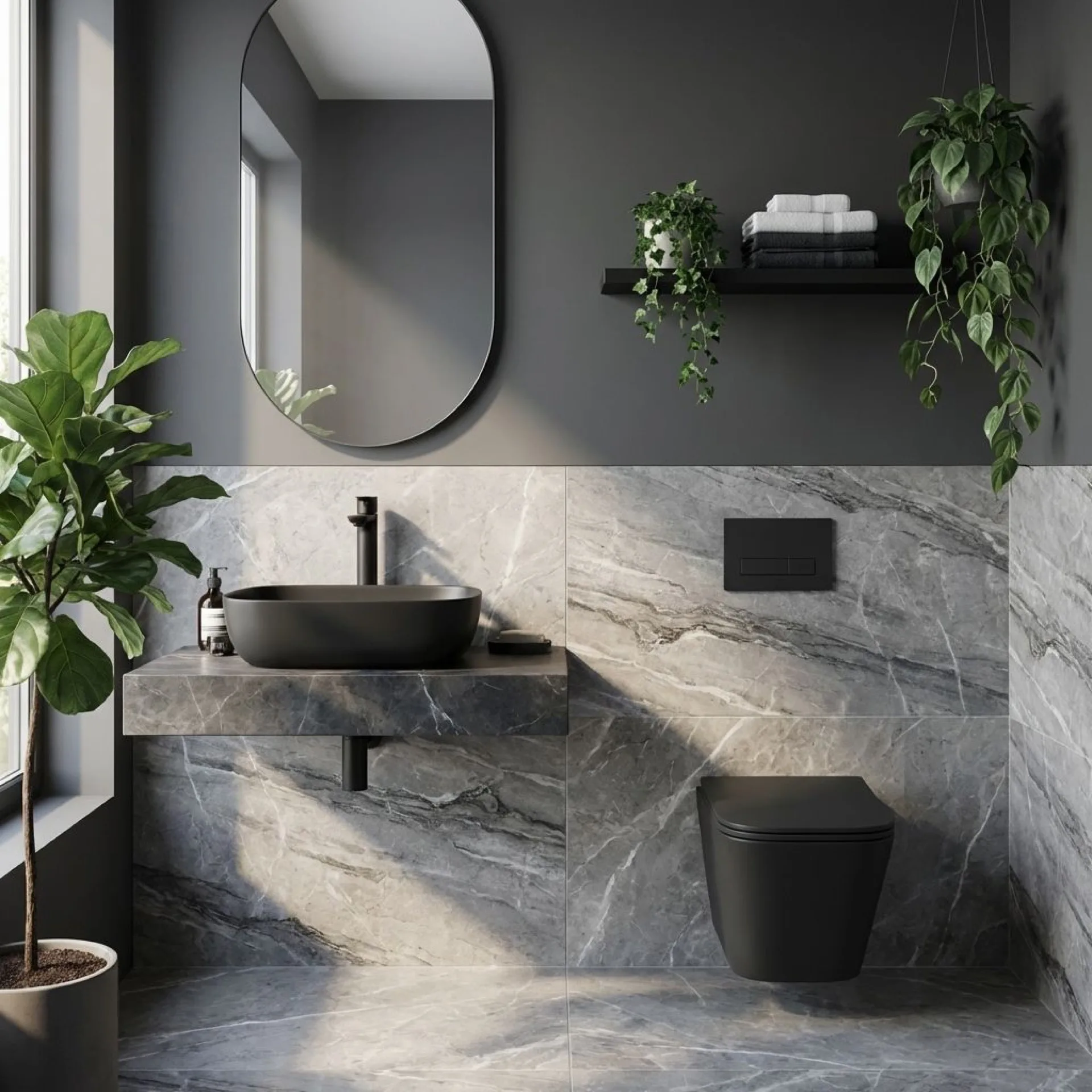
Your Tiles Are Only Half the Room
The mason has left. The tiles are grouted, sealed, and gleaming under the site lights. The family walks through the flat for the first time since the work began, and something is missing. Not craftsmanship. Not choice. The room is correct, and it still doesn't feel like home.
This happens in almost every Indian household that has just finished a tiling job, from a two-room flat in Indore to a five-bedroom bungalow outside Gurugram. The tile has done its job. It gave the floor a surface, the wall a finish, the room its shape. What it hasn't given yet is warmth. That comes from what goes on top of it.
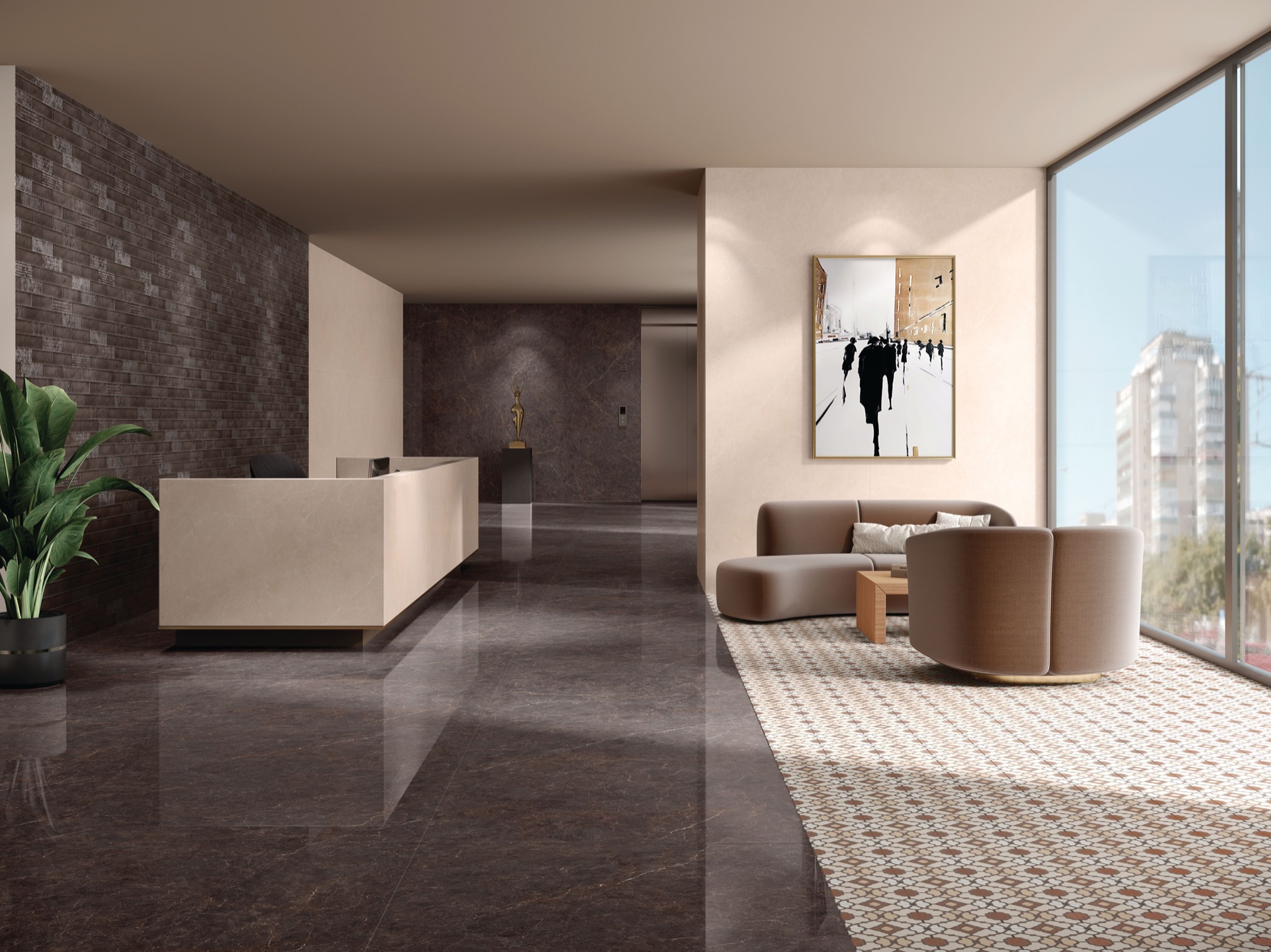
India has always built this way
Long before vitrified tiles existed, Indian homes were already doing this: lay a hard, permanent surface, then cover it in layers that change with the season, the festival, the generation. The aangan of a haveli was stone or lime-plastered brick. Over it went dhurries for the afternoon nap, bolsters for guests, a brass diya lit at dusk. The floor stayed the same for decades. Everything on top of it moved.
That instinct hasn't gone anywhere. It's just working with newer materials now. The stone floor of a Rajasthani haveli has become a vitrified tile in a Gurugram apartment. The handloom dhurrie is still a handloom dhurrie. The brass lamp is still a brass lamp. Build the permanent layer first. Let everything else move around it.
Somany makes the permanent layer. This is a guide to the rest.
Texture looks different depending on where you live
Layering isn't one national style. It changes as you move across the country, and that regional range is worth using rather than flattening out.
In Rajasthan and Gujarat, block-printed cotton in indigo and rust, mirror-work cushions, and mashru silk drapes carry the texture. In Kerala and coastal Karnataka, it's cane, laterite, and dark teak, chosen as much for the humidity as the look. Bengal leans on kantha embroidery and jute. Across the south more broadly, brass oil lamps and teak furniture still anchor a living room, tiled floor or not.
None of these traditions were designed around tile. They were designed around whatever hard, permanent surface a home had: stone, mud, brick, and later, cement. The materials transfer to tile without needing any adjustment at all.
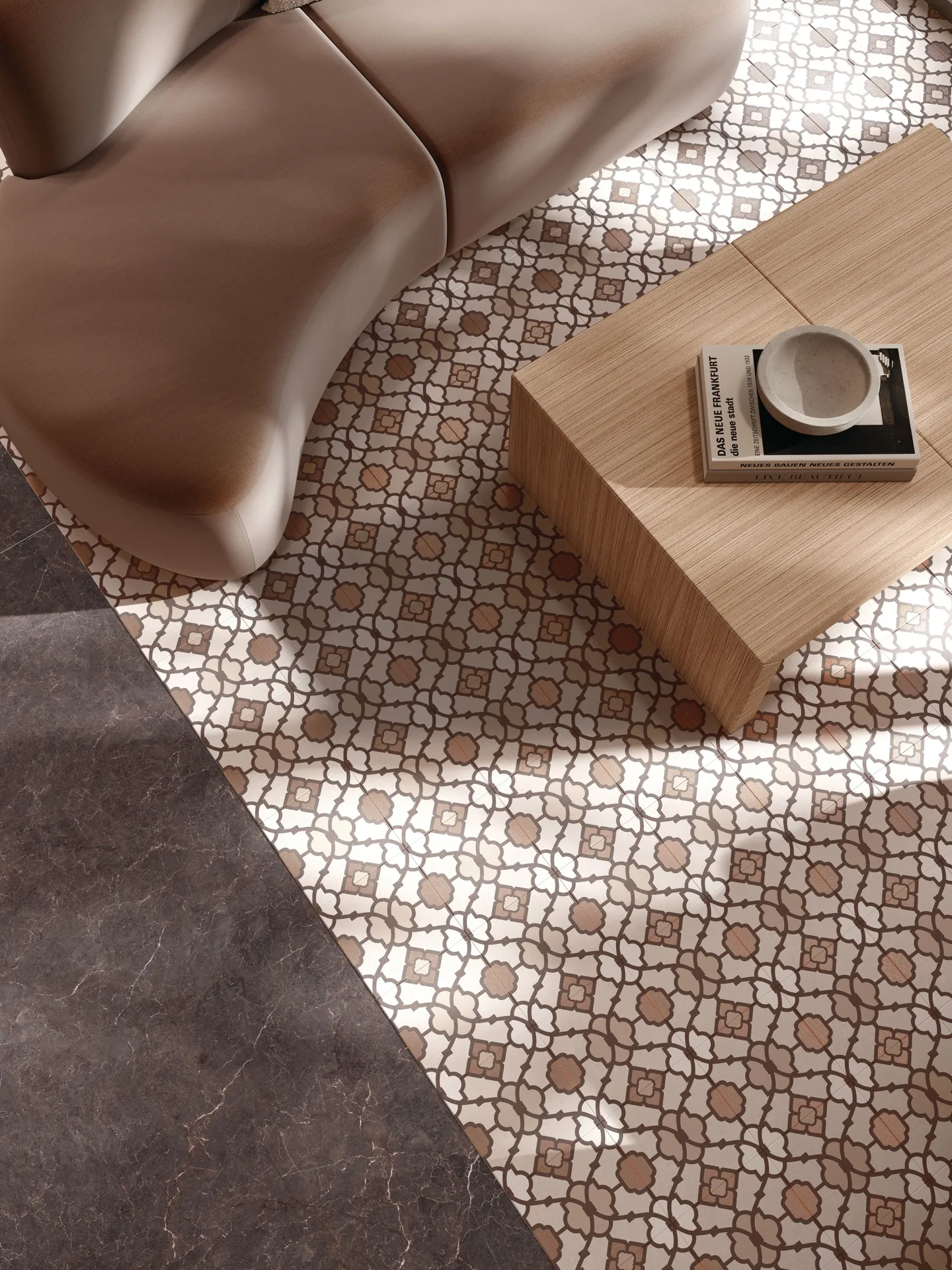
Choose tiles that already carry some warmth
Not every tile needs the same amount of help from what sits above it. Some finishes bring texture built in, so the layering above them can be lighter.
Travertine-look tiles like Classic Travertino Beige FP carry natural pitting and warm beige-brown tones that already read as organic. These don't need much competing texture: jute, cane, and handloom cotton in a similar tone are enough.
The Coverstone technical porcelain range, including finishes like Nebula, is cooler and more refined, closer to polished stone than to anything organic. This is where contrast does more work than harmony: a chunky wool or kilim dhurrie, brass and bell-metal accents, a block print in a strong colour against the cool grey.
Wood-look tiles from the Duragres Planks collection bring grain and warmth without the upkeep of real timber, which is exactly why they hold up through an Indian summer. Pair them with rattan, linen, and terracotta, and the room reads as timber without the maintenance.
Somany note: in a compact apartment, one large-format, low-pattern tile usually does more for the sense of space than a busy one. Save the pattern for the layer above it, where it's cheaper to change later.
Style from the floor to the ceiling, not just the coffee table
Most homes stop at a rug and call it finished. A single rug helps, but a room styled at only one height still feels incomplete. Indian interiors have traditionally worked across the full vertical range of a room, floor to ceiling, and that habit is worth keeping.
At floor level, choose a dhurrie or handloom rug sized to leave the tile visible at the borders, especially with a large-format tile, where the pattern itself is worth showing rather than hiding. A rug that's too small floats in the middle of the room and undoes its own purpose.
At seating level, cane and rattan chairs, teak or sheesham furniture, and floor seating with gaddas and bolsters for the baithak corner many Indian homes still keep, apartment or not. These are the surfaces people actually touch, and they do more to warm a room than anything underfoot.
At eye level and above, jaali screens instead of solid partitions, where light and air matter as much as privacy. Block-print or ikat curtains that soften a window without blocking cross-ventilation. Brass diyas, terracotta pieces, and handwoven wall hangings that carry the room's character above furniture height.
A room styled across all three heights reads as finished. A room styled at one doesn't, however good the tile underneath it is.
Build the bathroom for humidity, not just for looks
Indian bathrooms deal with monsoon humidity and daily bucket baths in ways most styling advice doesn't account for. Texture still matters here. It just has to survive the conditions.
Start with what touches skin every day: proper cotton towels, a bath mat that doesn't turn slick, a wooden stool that can take a wet foot without becoming a hazard. A brass mug, if the household still keeps one, does more for the room's character than anything bought purely to decorate it.
For the floor itself, choose an anti-skid, slip-resistant tile. Somany's Slip Shield range is built for exactly this kind of daily wear, so the safe choice and the good-looking one end up being the same tile.
Plants that tolerate humidity, money plant or areca palm, soften the hardest room in the house without asking for maintenance most households don't have time for.
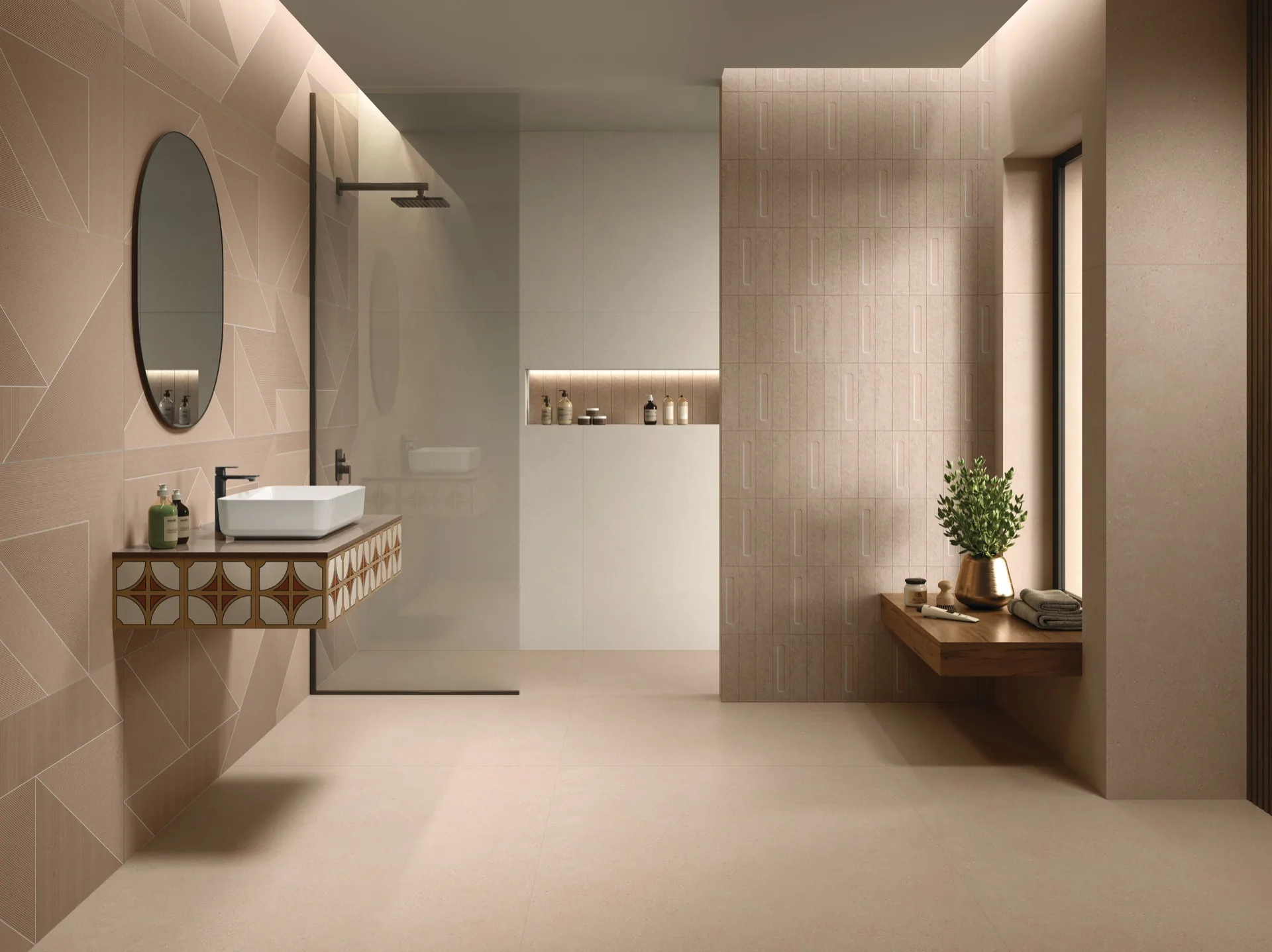
The tile stays. Everything else can change with you.
This is the real advantage of choosing well the first time. A tile isn't something most households replace every few years. It sits under a family through school admissions, weddings, a child leaving for college, a parent moving in. Somany has been making tiles for 55 years, and some of the floors laid in the 1980s are still holding up a household today.
Everything else is meant to move. Dhurries change with the season. Cushion covers change for Diwali. A rented flat's décor changes completely when the tenant does, while the tile underneath stays exactly as it was chosen. That isn't a limitation. It's what makes it possible to refresh a room in an afternoon instead of tearing it up every few years.
If you're choosing tiles for a new space, use the Tile Visualizer to see a finish in a room before it's laid, or take the style quiz if the direction isn't clear yet. The permanent layer is worth the most thought. Everything placed on top of it can always change its mind later.