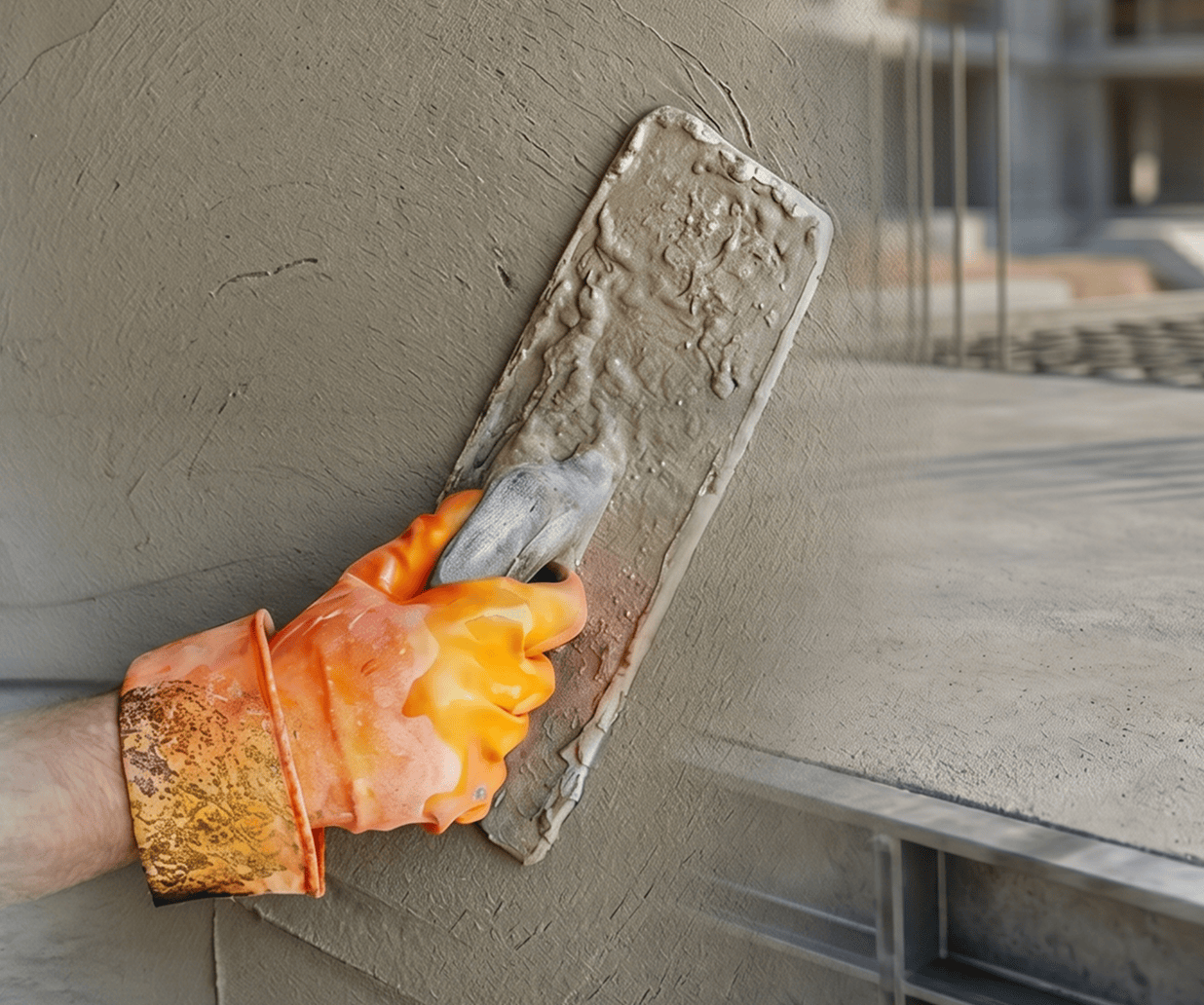

Residential
Clean lines and neutral tones for a serene and uncluttered living environment.
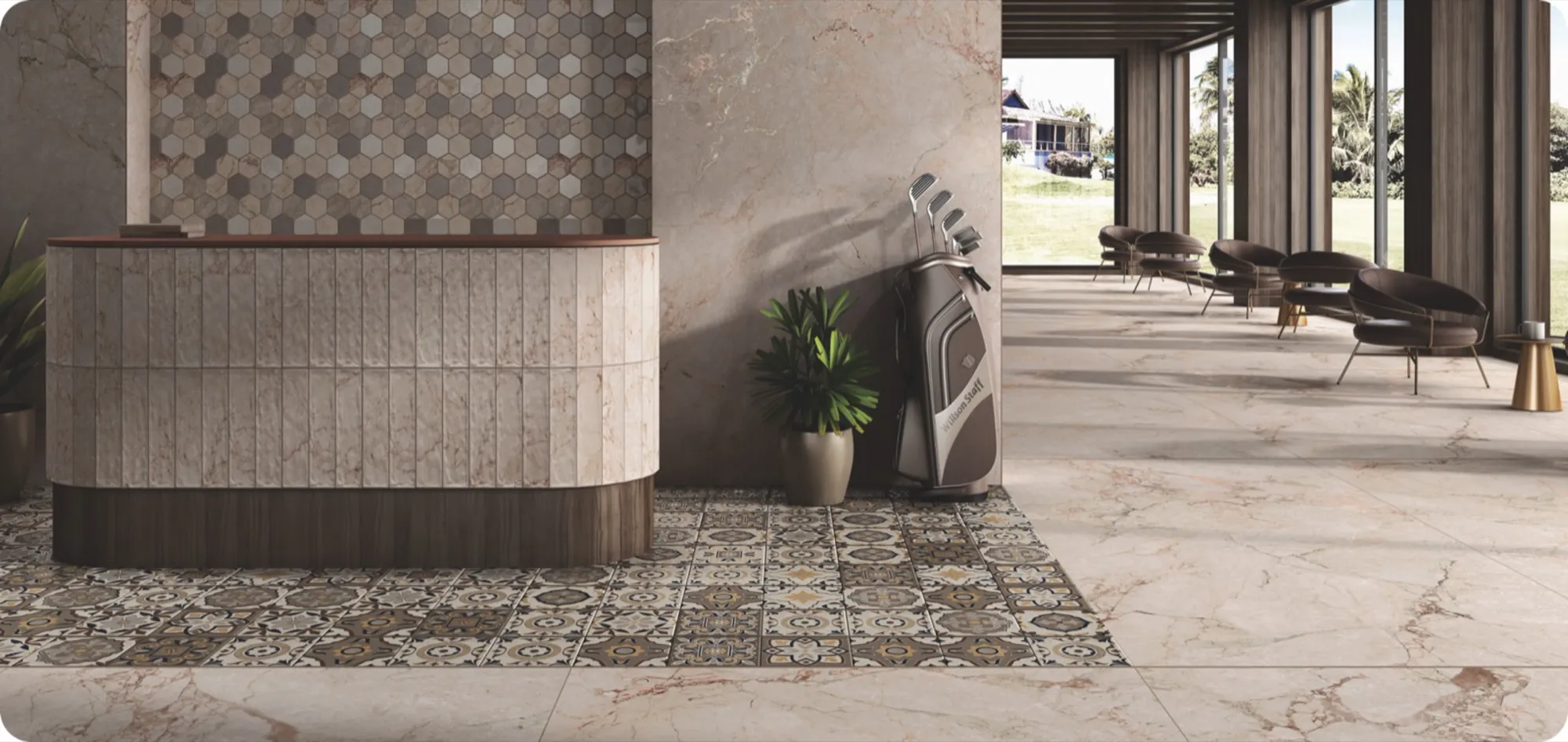
Solutions thoughtfully developed to meet the needs of different environments, balancing performance, durability, and design across every setting.

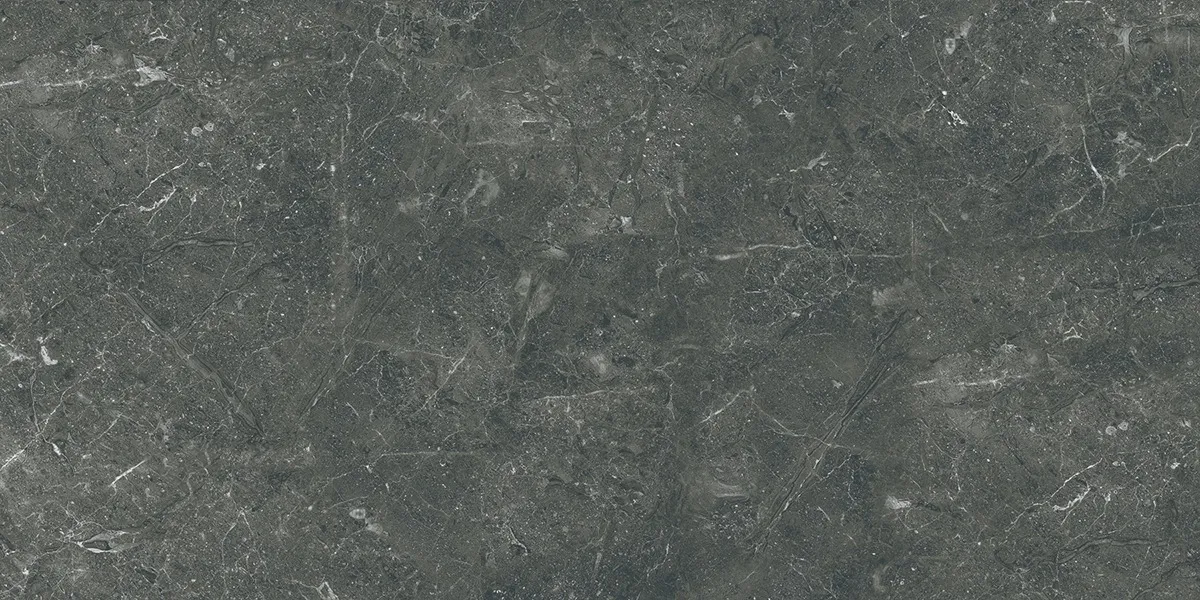
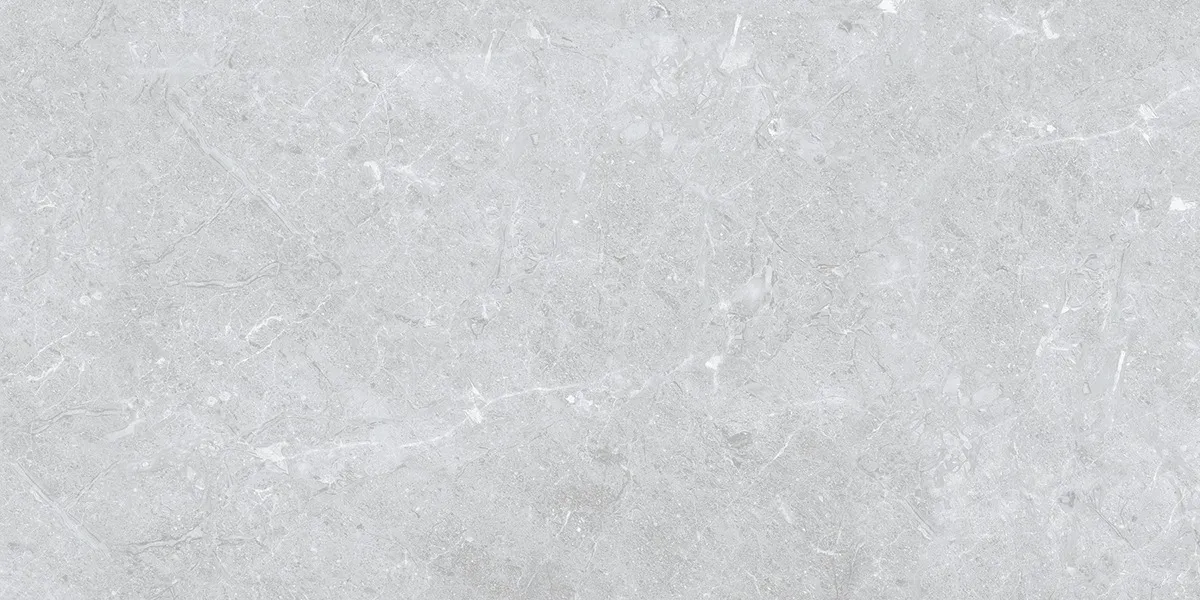
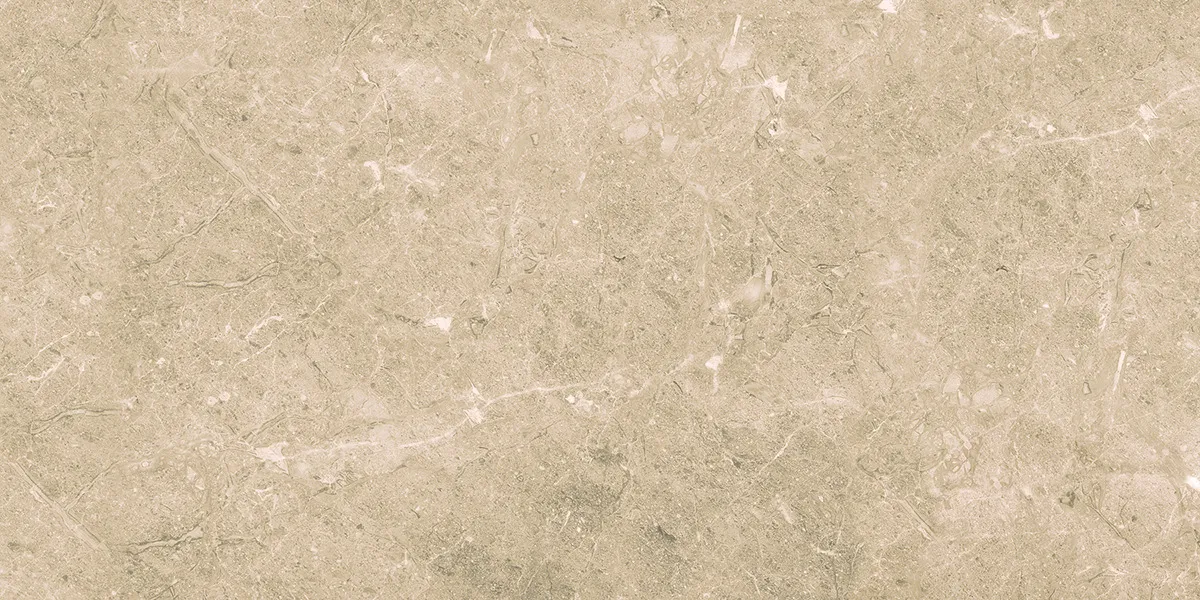
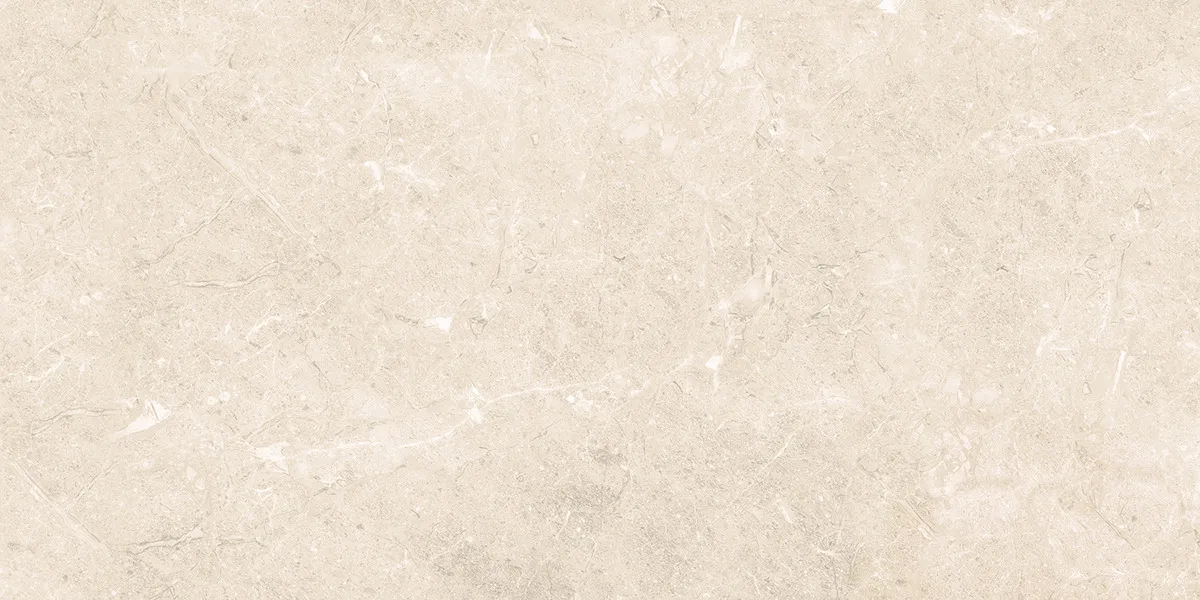












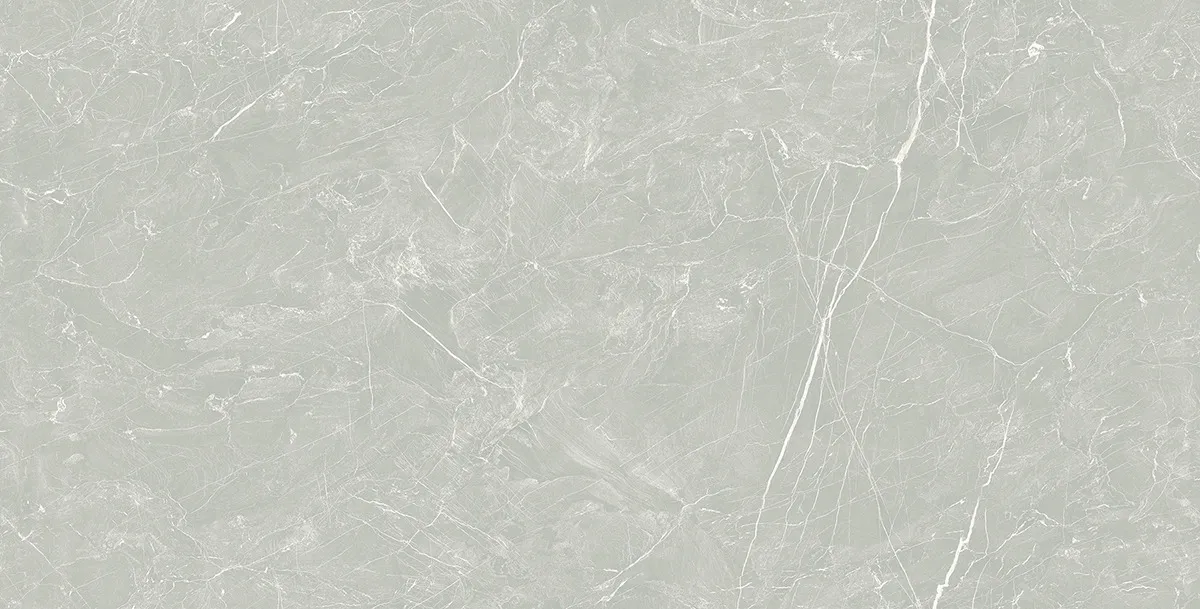
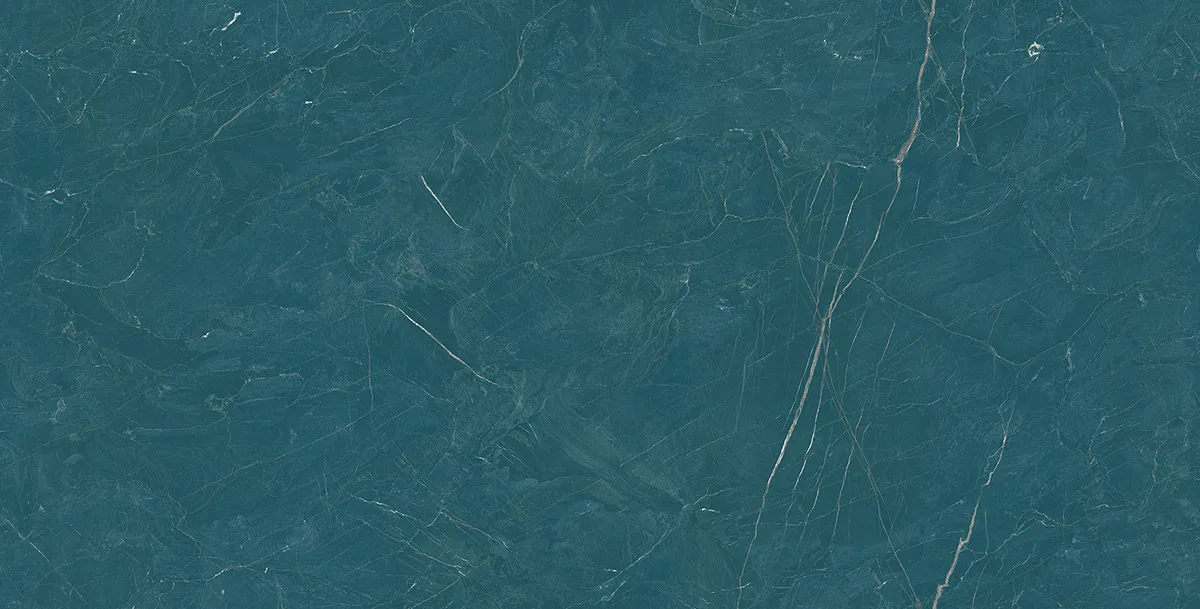
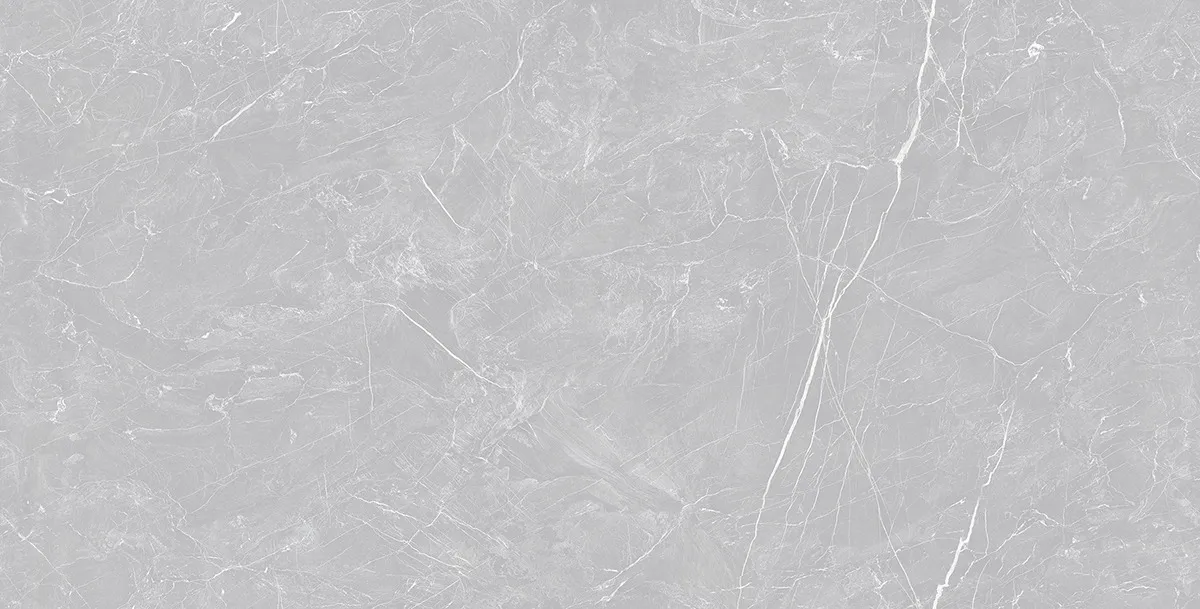

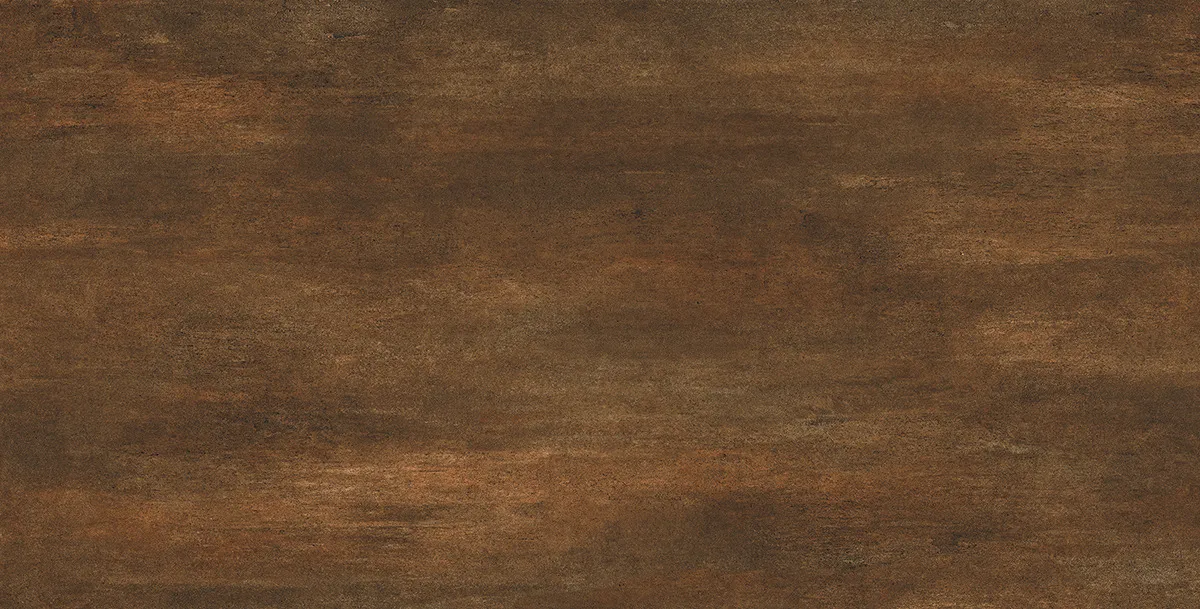



Mid sizes (such as 300×600 mm or 600×600 mm) suit most Indian bathrooms and balance looks with cutting waste. Larger formats reduce grout lines in spacious baths; smaller tiles and mosaics help around curves, niches and shower floors. Match size to room scale, falls to drain, and cleaning preference.
Yes. Vitrified (porcelain) tiles have very low water absorption and high durability, making them ideal for wet areas. They are commonly used in bathrooms and kitchens because they resist water and stains.
Both ceramic and vitrified tiles are apt for bathrooms as both have low rates of water absorption, are easy to clean and require minimal maintenance.
The colour of bathroom tiles depends on personal preference and the bathroom's overall aesthetic. Lighter-coloured tiles can make the bathroom appear brighter and more spacious, while darker-coloured tiles can create a more dramatic and sophisticated look. However, it's essential to consider factors such as maintenance and how well the tiles hide dirt and stains. Ultimately, the decision depends on your preference, practicality, and the desired mood of the bathroom.
Bathroom tiles are not entirely waterproof, but they do have a low level of water absorption that allows them to endure splashes, spills, and even standing water without excessive absorption.
Yes, tiles can be used on both the floor and walls in a bathroom, with wall tiles commonly used as a shower surround or as a decorative accent.
To avoid slips in the bathroom, opting for tiles with less slippery surfaces, particularly for the floor, is crucial. Tiles that are anti-skid or have a matte finish are ideal for bathroom flooring. In addition to their anti-skid properties, these tiles have low water absorption characteristics, enhancing their durability over time.
The size of the bathroom tile depends on personal preference and the size of the room. Smaller tiles can make a small bathroom appear larger, while larger tiles can create a bold design statement.
Tiling bathroom floors is an excellent way to revamp your bathrooms. When it comes to the finish of bathroom floor tiles, always go for matt finish tiles as glossy tiles tend to become slippery when wet. You can also check out our range of anti-skid Slip Shield tiles that are perfect for bathroom floors.
The latest trends in bathroom tiles include matte finishes, geometric patterns, large-format tiles , and natural stone looks. Textured tiles and soft, neutral colors that create a spa-like ambiance are also popular.
Vitrified, ceramic and porcelain tiles are great choices for bathroom walls due to their moisture resistance and variety of designs. Avoid using stone tiles as they are porous in nature and not easy to clean.
For small bathrooms, large-format tiles such as 800x2400mm, 800x2600mm, 800x3000mm, can make the space appear larger. Light-colored tiles , such as whites and pastels, can also help the room feel more spacious and brighter.
Textured or matte-finished tiles offer greater slip resistance . Specifically, tiles with a high coefficient of friction (COF) rating are considered safer and more slip-resistant, making them ideal for bathroom floors.
Yes, floor tiles can be used on bathroom walls for a cohesive look, especially if they match or complement the floor tiles . However, ensure the wall structure can support the weight of floor tiles, as they are often thicker and heavier.
Light and neutral colors like white, beige, light grey, and pastels are popular as they make the bathroom feel clean and spacious. However, the best color depends on personal preference and the overall design aesthetic.
For small bathrooms, opt for light-colored tiles to enhance the sense of space . Consider using larger tiles to reduce grout lines and create a seamless look. Slip Shield tile is a good option for bathroom floors as they are slip-resistant and provide more grip, making them safer for bathroom floors.
Bathroom floor tiles are typically more durable and slip-resistant to withstand foot traffic and prevent falls. Wall tiles are lighter than floor tiles and may come in a wider variety of finishes, colors, and designs.
Some common types of tiles used in bathrooms include ceramic tiles, porcelain tiles, and natural stone tiles.
Vitrified and Porcelain tiles are often used for bathroom floors because they are water-resistant and durable.
Common patterns and designs for tiles used in bathrooms include subway tiles, mosaic tiles, and patterned tiles.
No, glossy tiles become extremely slippery when wet. Anti-skid matte tiles or Slip Shield tiles are the recommended safety standard for wet floors.
Regular cleaning with warm water and a mild soap (or neutral pH tile cleaner) is sufficient for porcelain. Avoid harsh acidic or ammonia-based cleaners (they can damage grout and glaze). After cleaning, dry tiles thoroughly.
No. Glazed porcelain tiles are impervious and do not require sealing. However, it is often recommended to seal grout lines to protect them from stains, since grout can absorb dirt over time.
Use a specialized acid-based tile cleaner diluted in water, or a paste of baking soda and lemon juice for a natural alternative (only on ceramic/vitrified).
Lippage is a condition where the edges of adjacent tiles are not at the same height, often caused by an uneven substrate or poor installation of large tiles.
Tenting occurs when tiles expand due to heat but have no room to move because of insufficient grout joints, causing them to lift or buckle.
Spacers ensure uniform grout lines and provide the necessary room for the tile to expand and contract with temperature changes.
It is possible if the surface is thoroughly roughened and a high-bond strength adhesive like SEF 666 or SEF 777 is used.
A powerful acid-based solution used to remove post-installation cement film, grout residue, and hard water stains from tiles.
To keep your tile and grout looking their best, you should clean them regularly with a mild detergent and warm water. You can also use specialized cleaners or steam cleaners to remove stubborn stains. Additionally, you should seal your grout to prevent it from becoming discolored or stained over time.
Daily Cleaning: Sweep/Vacuum: Remove dust and grit to prevent scratches. Mop with pH-neutral cleaner: Avoid acidic/abrasive chemicals (e.g., vinegar, bleach). Microfiber cloth: Best for glossy tiles to avoid streaks. Stain Removal: Oil/Grease: Dish soap + warm water. Hard Water: White vinegar (diluted). Grout Stains: Baking soda paste or oxygen bleach. Long-Term Maintenance: Grout Care: Seal grout lines annually (sanded grout for floors, epoxy grout for wet areas). Scratch Prevention: Use felt pads under furniture. Gloss Retention: For polished tiles, avoid harsh scrubbers. Special Tile Care: VC Shield Tiles: Extra scratch-resistant – normal cleaning suffices. Slip Shield (Anti-Slip): Use a soft brush for textured surfaces. Natural Stone Look Tiles: Re-seal periodically if unglazed. Pro Tip: For large-format tiles (LFT), use a flat mop to prevent lippage (uneven edges). Avoid steam mops on vitrified tiles (heat can weaken adhesive).
When choosing lobby tiles, you should consider factors such as the level of foot traffic, the overall design of the space, and the color scheme. You may also want to choose tiles that are slip-resistant and easy to maintain. Usually Somany large format tiles (Max & Tech Homogenea) are most suitable tiles for application.
To install temperature-resistant tiles, you should first prepare the surface by cleaning and leveling it. You can then apply an adhesive specifically designed for high temperatures and place the tiles in the desired pattern. Finally, you should use a high-temperature grout to fill in the gaps between the tiles.
Tile have a tendency of bending. Tile spacers allow you to keep your floor level and ensure that each tile is properly grouted. If your tiles are too close together, you risk damage if they expand. They could also become dislodged or chipped. Spacers provide a more secure, durable surface.
Yes it is possible to install tile on tile, however one needs to keep in mind that the floor height will increase and that may call for readjustment of doors etc.
Improper adhesion, can cause tile to pop out pop out, break, or bend, creating unevenness in the floor.
No
This information is provided in the installation film which is available on the website
Somany stays ahead through: Global Collaborations: Partnerships with Italian and Spanish designers for cutting-edge patterns. R&D Focus: Innovations like VC Shield, Temp Shield, and advanced digital printing. Trend Forecasting: Active participation in international expos (e.g., Cersaie, Cevisama). Sustainability: Eco-friendly manufacturing processes and use of recycled materials. Result: Timeless designs (marble and wood looks) combined with technology-backed durability.
Yes, Somany provides post-installation support. The durability of tiles varies by type: VC Shield Tiles: Highly abrasion-resistant (50,000+ rotations).
Consistency in Durability, Quality & Appearance: SOMANY tiles are crafted from top-quality materials and rigorously tested for outstanding durability. They resist abrasion, stains, warping, and wear, minimizing cracks, chips, breakage, or fading. Renowned for uniformity in size, shape, thickness, and appearance, enhancing aesthetic appeal. Money for Value: SOMANY products offer more than “value-for-money” — they deliver “money-for-value.” By paying a slight premium, customers gain significantly higher value in return. Trusted Legacy: With over 50 years of legacy, SOMANY has consistently earned customers’ trust through innovation. As pioneers in ceramics in India, SOMANY delivers high-quality products trusted by millions in India and abroad.
Yes, Somany tiles are eco-friendly. The company follows sustainable manufacturing processes, uses recycled materials where possible, and ensures minimal environmental impact. The tiles are certified by relevant environmental standards, contributing to green building certifications like IGBC.
Delivery timelines depend on product availability, location, and order quantity. Standard products are usually delivered within 7-10 days, while customized orders may take longer (4-6 weeks). Exact timelines can be confirmed upon order placement.
Yes, Somany can share case studies and references from residential, commercial, and hospitality projects where their tiles have been successfully installed.
Standard designs remain in production, but some limited editions or trend-based designs may be phased out. Architects/clients are advised to check stock availability for specific designs.
Somany has a wide distribution network and partners with logistics providers to ensure delivery even to remote locations. Minimum order quantities (MOQ) may apply for customized orders.
If undulation (unevenness) occurs, the following steps are recommended: Check Substrate: Ensure the base is level before installation. Use Proper Adhesive: Follow recommended application techniques and choose from Somany’s curated EZY Fix Adhesive and Grout range. Consult Experts: Somany provides technical support for rectification. Replacement (if needed): In case of manufacturing defects, replacement can be arranged under warranty.
Somany maintains strong inventory management and production planning to ensure consistent supply. Projecttimelines are tracked, and dedicated teams coordinate with dealers/contractors to avoid delays.
PEI III or IV is standard for most home interiors. VC Shield tiles are used when ratings beyond the standard PEI V are required.
Our commitment to quality is recognized worldwide. These awards and certifications reflect our unwavering standards and assure you of a truly world-class product.


