From the gentle hum of a fan to the ring of a phone, sound is part of almost everything we do. Some sounds fade into the background. Others interrupt conversations, disturb concentration or break the quiet of a personal moment.
But how loud are the sounds we experience every day?
Everyday Sounds, Measured
Sound levels vary depending on distance, surroundings and the equipment itself. The following are approximate reference levels for familiar sounds.
Everyday sound | Approximate sound level | Ideal noise level / reference |
Quiet room | 30 dB | 30 dB or lower |
Fan running | 40–55 dB | Around 30–40 dB for a quieter room |
Air conditioner | 55–60 dB | Around 30–40 dB for quieter indoor comfort |
Distant traffic | 40–60 dB | As low as practical indoors, especially in bedrooms |
Phone ringtone | 60–80 dB | No universal ideal; adjust to the setting |
Traditional toilet flush | 65–80 dB | A quieter flush is preferable, particularly in shared or quiet spaces |
These are illustrative ranges, not fixed values. Actual measurements depend on the source, distance and environment.
When Noise Becomes More Than a Nuisance
Noise is not simply something we hear. When it repeatedly interrupts our rest, it can affect how we feel and function.
The World Health Organization (WHO) identifies environmental noise as a contributor to sleep disturbance and notes evidence linking excessive noise exposure with cardiovascular disease, hypertension and other health concerns. ( Read the WHO guidance.)
A 2022 systematic review published in Environmental Health Perspectives, titled Environmental Noise and Effects on Sleep: An Update to the WHO Systematic Review and Meta-Analysis, examined evidence from studies involving more than 170,000 responses. It found an association between nighttime traffic noise and the likelihood of people experiencing significant sleep disturbance.
A 2023 umbrella review published in the European Journal of Public Health, which assessed evidence from multiple systematic reviews and meta-analyses, also identified associations between environmental noise exposure and adverse health outcomes.
While this research primarily examines environmental and transportation noise rather than toilet flushing, it reinforces the importance of considering noise when designing more comfortable living spaces.
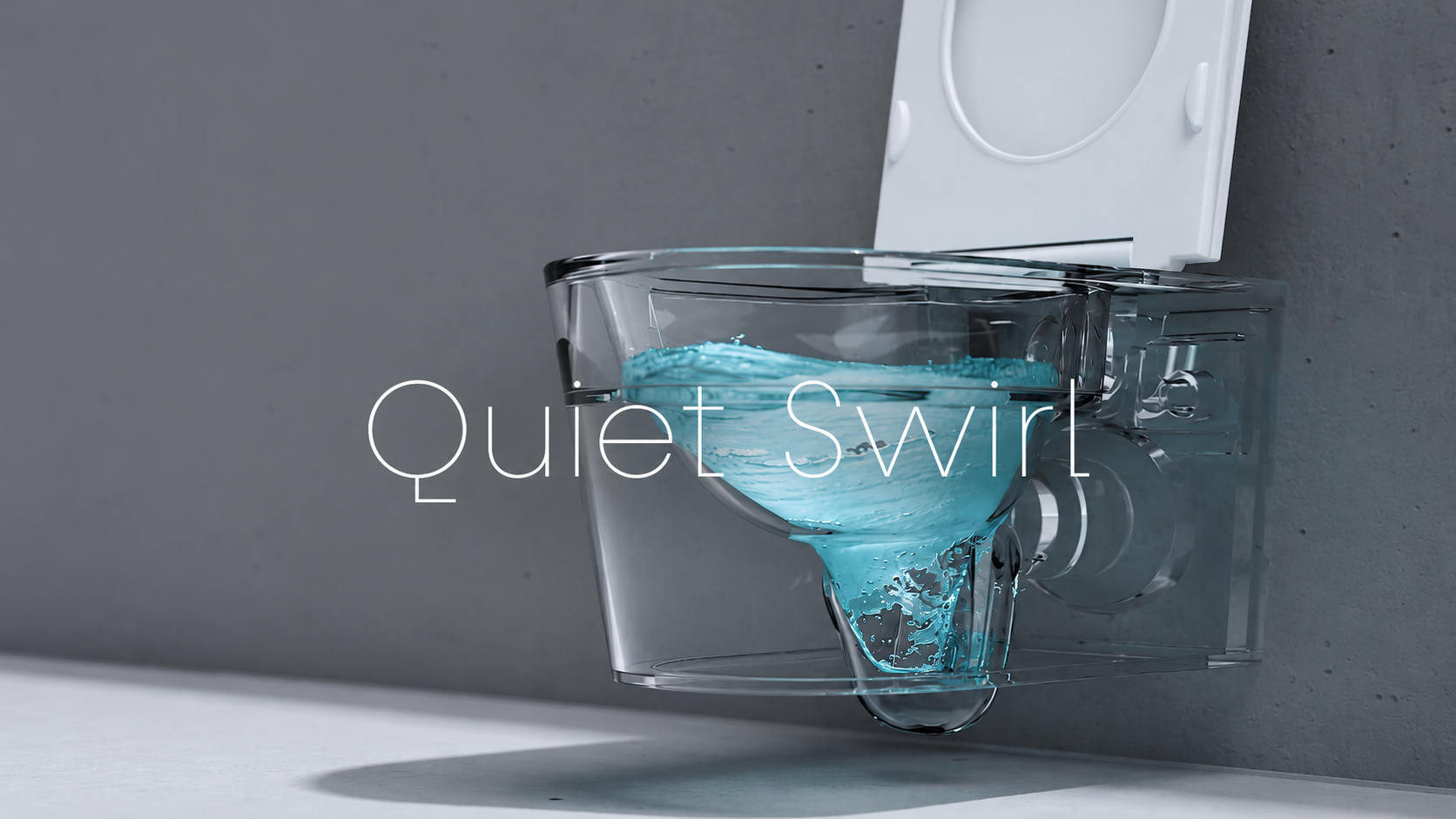
Somany Quiet Swirl. A Flush That Respects Your Quiet.
One of the most overlooked sources of noise is right inside our bathrooms.
Traditional wash-down toilet flushes can create a sudden, intrusive burst of sound in an otherwise quiet environment. In a shared home, hotel room or office washroom, that noise can compromise a moment that should feel private.
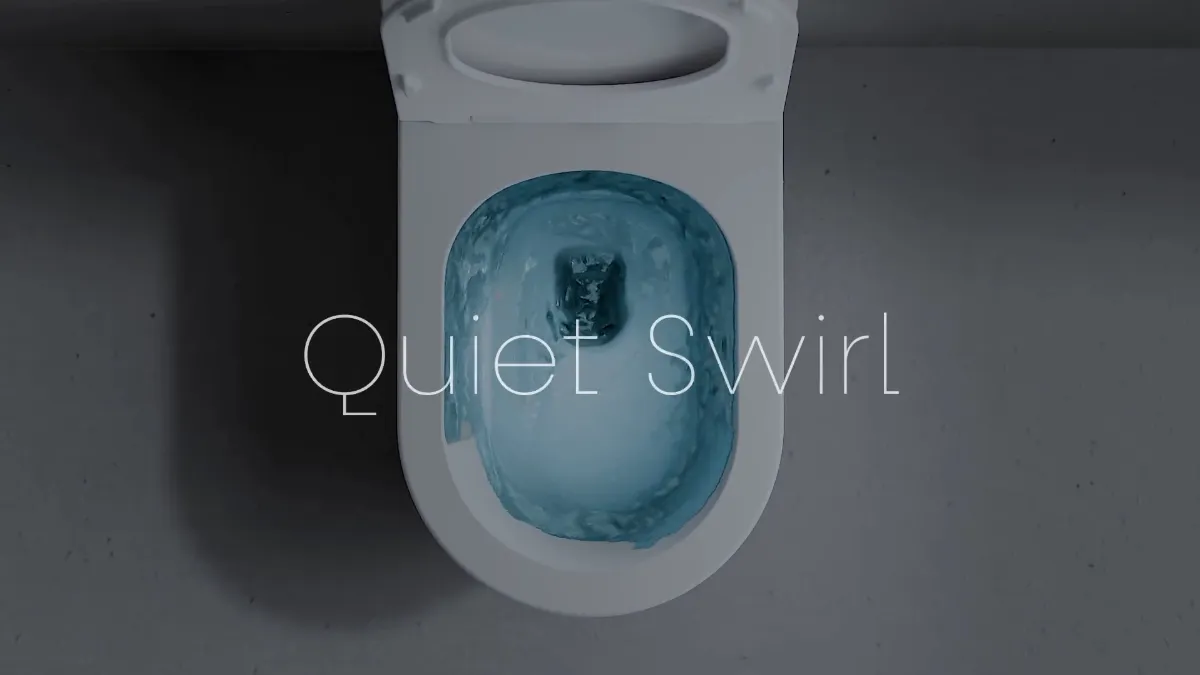
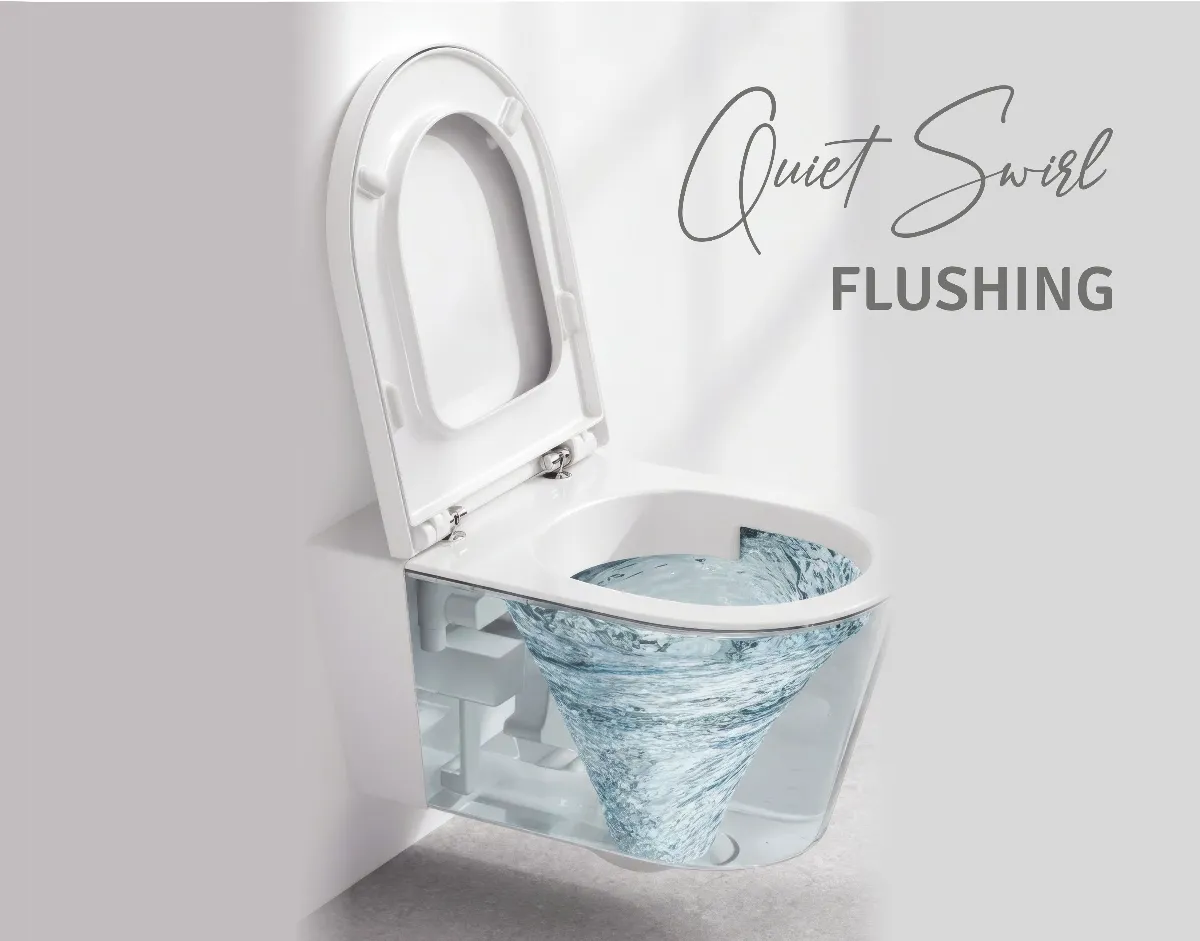
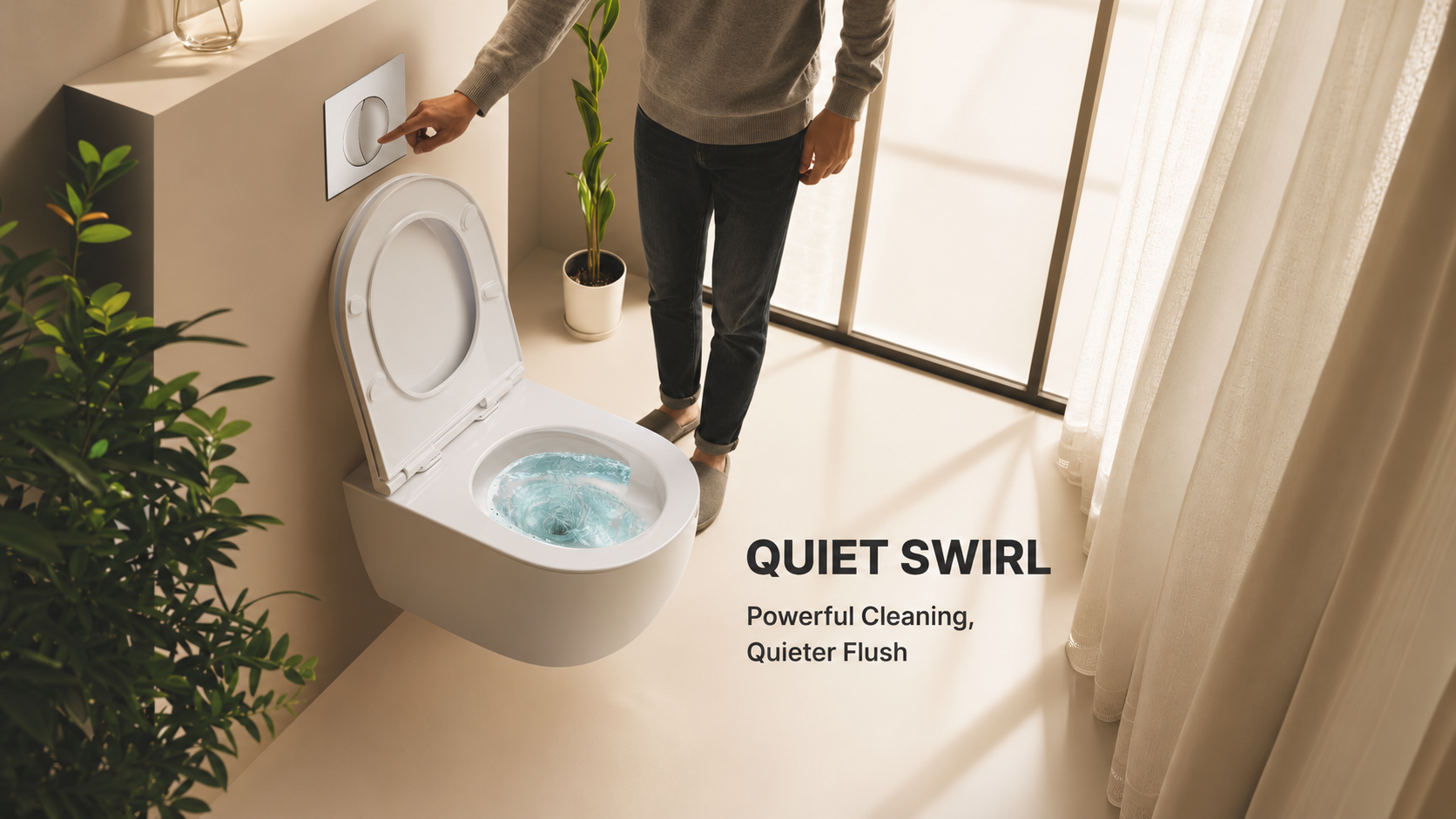
Somany Quiet Swirl wall-hung toilets are designed to make that everyday experience significantly quieter.
In comparative testing conducted by Intertek India, Somany Quiet Swirl recorded a flushing-noise level 25.74 dB lower than the traditional wash-down wall-hung toilet used in the comparison (Intertek Independent study of Quiet Swirl vs Traditional wall hungs).
That is a substantial reduction in measured sound level, bringing a quieter approach to one of the most routine experiences in our daily lives.
Because Quiet Is a Part of Comfort and Wellbieng
Better bathroom design is about more than aesthetics and functionality. It is about understanding the small details that influence our everyday experience.
By addressing flushing noise, Somany Quiet Swirl brings greater consideration to privacy, comfort and the quality of our personal spaces.
Because sometimes, better living begins with a sound you barely notice.
Somany Quiet Swirl.
POWERFUL CLEANING, QUIETER FLUSH, MORE COMFORT
Editorial note: The health studies concern environmental noise and sleep, not toilet-flush noise specifically. The article therefore presents quieter flushing as a comfort and privacy benefit, without claiming that Quiet Swirl directly prevents illness.
Sources and references
1. World Health Organization (WHO), Guidance on Environmental Noise. Covers environmental noise and its links with sleep disturbance and other health concerns. Read the WHO guidance.

World Health Organization
2. Smith, M. G. et al. (2022), Environmental Noise and Effects on Sleep: An Update to the WHO Systematic Review and Meta-Analysis, Environmental Health Perspectives, Volume 130, Issue 7. Read the research paper.

PubMed Central (PMC)
3. European Journal of Public Health (2023), Environmental Noise Exposure and Health Outcomes: An Umbrella Review of Systematic Reviews and Meta-Analysis. Read the review on PubMed.

PubMed
4. Government of India, Press Information Bureau, Safe Noise Level. Provides examples of typical sound levels and explains how sound is measured in decibels. Read the reference.

Press Information Bureau
5. Intertek India, comparative flushing-noise test report for Somany Quiet Swirl. Supports the measured 25.74 dB difference in the specific comparison.