What are "Soft-Close" hinges in cabinets?
They prevent the cabinet door from slamming by using a hydraulic mechanism to slow it down, extending the life of the vanity furniture.
How do I prevent mold in my "Vanity Cabinet"?
Ensure proper ventilation (exhaust fan) and check for leaks in the sink drain regularly to prevent standing water inside the cabinet.
What material is best for "Vanity Cabinets" in India?
Moisture-resistant HDF or PVC-coated cabinets are preferred to withstand the high humidity and occasional water splashes in Indian bathrooms.
Can a "Wall-Hung" vanity save space in a small bathroom?
Yes, by floating the cabinet off the floor, it creates more visual "open space" and makes it much easier to clean the bathroom floor.
Which bathroom sink style is best with a cabinet?
Undermount and countertop sinks often work best with cabinets, providing a seamless look and maximizing counter space. The choice depends on your style preference and the cabinet design.
How do I choose the right washbasin cabinet for my bathroom?
Consider the size of your bathroom, the storage space you need, the style of your decor, and the type of sink you prefer. Ensure the cabinet material is moisture-resistant and durable for bathroom use.
What is a vanity cabinet?
A vanity cabinet combines storage space with a washbasin on top, often including a mirror. It's a functional piece of bathroom furniture that provides storage and supports the sink.
What are the benefits of having a washbasin cabinet?
A washbasin cabinet offers additional storage space, helps keep the bathroom organized, conceals plumbing, and can enhance the room's aesthetic with its design.
What are the types of bathroom cabinets available?
Types include freestanding, wall-mounted, under-sink cabinets, corner bathroom cabinets and mirrored medicine cabinets . Each type serves different space and storage needs.
Can you recommend space-saving vanity solutions for small bathrooms?
Wall-mounted or floating vanities free up floor space, making the room appear larger. Corner vanities can also be a great space-saving solution for small bathrooms.
What is the use of a vanity cabinet?
A vanity cabinet serves as a foundation for the bathroom sink , provides storage for toiletries and bathroom supplies, and contributes to the bathroom's overall aesthetic.
How do I select the right size vanity for my bathroom?
Consider the bathroom's layout, ensuring enough clearance for door openings and foot traffic. The vanity should be proportional to the space, with enough countertop and storage space to meet your needs.
What factors should I consider when choosing a toilet?
Consider the bathroom space (measure rough-in distance from wall to drain), bowl shape (round vs elongated), flushing efficiency (water-saving dual-flush options), comfort/height of the seat, and overall design/style to match your bathroom.
How can I prevent my toilet from clogging?
Flush only toilet paper and human waste. Avoid flushing sanitary products, wipes, paper towels or other non-flushable items. A strong flushing system (like a dual-flush or pressure-assisted toilet) also helps reduce clogging.
Are wall-mounted toilets as durable as floor-standing ones?
Yes. Wall-mounted (wall-hung) toilets are durable if properly installed with a sturdy wall frame. They save floor space and look modern. However, installation is more complex and requires a reinforced wall and professional work.
What is the standard "Rough-In" for Indian toilets?
While 12 inches (305mm) is standard, many Indian homes also use a 9-inch (220mm) rough-in, so measuring before purchase is essential.
How do I fix a "sticky" toilet flush handle?
This is usually caused by mineral buildup or a worn internal lift chain. Cleaning the components with vinegar or replacing the lift chain usually fixes it.
Why does my toilet keep running after flushing?
This is typically a faulty "flapper" valve or fill valve in the tank. Replacing these inexpensive rubber parts will stop the water waste.
What is the weight limit for a Somany wall-hung WC?
When installed with a proper concealed frame, they are typically tested to support loads up to 400kg.
What causes "Ghost Flushing" in toilets?
A slow leak from the tank into the bowl (usually a bad flapper) causes the tank to refill periodically even when not in use.
Are "One-Piece" toilets more hygienic?
Yes, their seamless design has no gaps between the tank and bowl where grime and bacteria can accumulate, making them easier to sanitize.
What is a "Rimless" WC design?
A design where the inner rim of the toilet bowl is eliminated, allowing the flush water to reach every part of the bowl easily for superior hygiene.
Can I install a "Wall-Hung" WC in any bathroom?
Wall-hung WCs require a concealed cistern and a sturdy support frame inside the wall. They are ideal for saving floor space and making cleaning easier.
What is the advantage of "Thin Essence" wall-hung toilets?
They feature ultra-thin rims and minimalist designs that merge high-end aesthetics with reduced water usage and enhanced hygiene.
What is a "Concealed Cistern"?
A water tank hidden inside the wall, leaving only the flush plate visible. It provides a sleek look and is often quieter than exposed tanks.
Are "One-Piece" toilets harder to install?
They are heavier and more bulky than two-piece models, often requiring two people for installation, but they avoid the hassle of aligning a separate tank.
Do wall-hung toilets save space in the bathroom?
Yes, wall-hung toilets save space in the bathroom by being mounted on the wall, which frees up floor space and makes the room appear larger. This design also allows for easier cleaning of the bathroom floor.
Are one-piece toilets better?
One-piece toilets have a sleek design, are easier to clean due to fewer crevices and less space for bacteria to grow, and are more durable because they lack the seam between the tank and bowl found in two-piece toilets. These factors make them a popular choice among homeowners. However, "better" can depend on personal preferences and specific bathroom requirements.
What is the difference between a wall-hung and a one-piece toilet?
A wall-hung toilet is mounted on the bathroom wall with the tank hidden inside the wall, while a one-piece toilet is a single unit where the tank and bowl are integrated and rest on the floor. Each has its aesthetic and practical advantages.
How do I choose the right WC toilet for my bathroom?
When choosing a WC toilet , consider the size and layout of your bathroom, the style of the toilet, water efficiency, flushing system, and ease of cleaning. Also, think about the installation type, whether wall-hung, one-piece, or two-piece suits your needs.
Which toilet is ideal for small bathrooms?
For small bathrooms, wall-hung or corner toilets can be ideal as they occupy less space. Compact one-piece toilets with a shorter projection from the wall can also be a good fit.
What are the different types of toilets available?
There are several types of toilets , including one-piece, two-piece, wall-hung, smart toilets , and those designed for specific needs like corner toilets or compact models for small spaces.
Which is better, wall-mounted or floor-mounted toilet?
The choice between a wall-mounted and a floor-mounted toilet depends on your bathroom's design needs and personal preferences. Wall-mounted toilets can save space and offer a modern look, while floor-mounted toilets are traditional and easier to install and maintain.
Is a "Health Faucet" better than toilet paper?
It is more hygienic, reduces paper waste, and is generally gentler on the skin, making it a staple in most modern Indian bathrooms.
What is meant by a health faucet?
A health faucet , also known as a bidet shower or hand-held bidet, is a hand-held triggered nozzle that is placed near the toilet and provides a spray of water for personal hygiene after using the toilet.
What is a health faucet used for?
A health faucet is used for post-toilet cleansing. It provides a gentle and effective stream of water for personal cleaning, enhancing hygiene and comfort in the bathroom.
How to choose a health faucet?
When choosing a health faucet , consider the material (such as chrome or stainless steel for durability), the type of handle and spray, ease of installation, the flexibility and length of the hose, and the design that matches your bathroom's aesthetics.
Is a health faucet safe?
Yes, health faucets are safe to use. They are designed to offer a hygienic and gentle cleansing experience. Ensure proper installation and regular maintenance to prevent any hygiene issues.
What are health faucets and their hidden benefits?
Health faucets are hand-held devices for post-toilet cleansing, offering benefits such as improved personal hygiene, reduced toilet paper use, and a more eco-friendly alternative to traditional cleaning methods.
What are the benefits of using a health faucet?
Using a health faucet offers several benefits, including enhanced personal cleanliness, reduced reliance on a toilet paper, ease of use for people with mobility issues, and a more environmentally friendly approach to bathroom hygiene.
What is the difference between a health faucet and a jet spray?
While both serve similar functions for personal cleansing, The difference between a health faucet and a jet spray is their design and functionality. A health faucet refers to a handheld bidet used for personal hygiene whereas the jet spray is high pressure fixture. Both are essential for maintaining personal hygiene.
Which is the best health faucet for a toilet seat?
The best health faucet for a toilet seat is one that is durable, easy to use, has an ergonomic design, and matches the water pressure requirements of your bathroom. Look for premium quality models and elegant designs with user friendly features.
Are health faucets easy to install in my washroom?
Yes, health faucets are generally easy to install, often coming with a DIY installation kit. They usually require a water connection near the toilet and can be mounted on the wall or toilet tank.
What water pressure do health faucet typically operate on?
Health faucet typically operate within a wide range of water pressures, usually between 45 to 80 psi, which is considered normal for residential water pressure. It's important to check the specifications of the health faucet to ensure compatibility with your home's water pressure.
Are there different finishes available for health faucets?
Yes, health faucets come in various finishes, including chrome, brushed nickel, and stainless steel, to match different bathroom decors and preferences.
How do I fix a leaky faucet?
First turn off the water supply. Then disassemble the faucet and inspect internal parts. Leaks are often caused by worn washers, O-rings or cartridge seals. Replace any damaged parts and reassemble. If unsure, consult a plumber.
Can I use a "High-Flow Diverter" for my bath tub?
Yes, high-flow diverters (like those in the Signature Collection) ensure the tub fills quickly by allowing a larger volume of water to pass through.
Can I install a "Sensor Faucet" in my kitchen?
Yes, they are highly practical for kitchens as they allow you to turn on the water with messy hands without touching the handle.
Is "Stainless Steel" better than "Brass" for faucets?
Brass is the traditional gold standard for durability and ease of plating, but stainless steel (316 grade) is also excellent and naturally lead-free.
What is a "Thermostatic" mixer?
A faucet that maintains a constant water temperature even if someone else in the house turns on a tap, preventing accidental scolding.
How do I clean "Gold" PVD faucets safely?
Use only soft cloths and mild soap. Avoid any abrasive cleaners or pads which can dull the vibrant metallic finish over time.
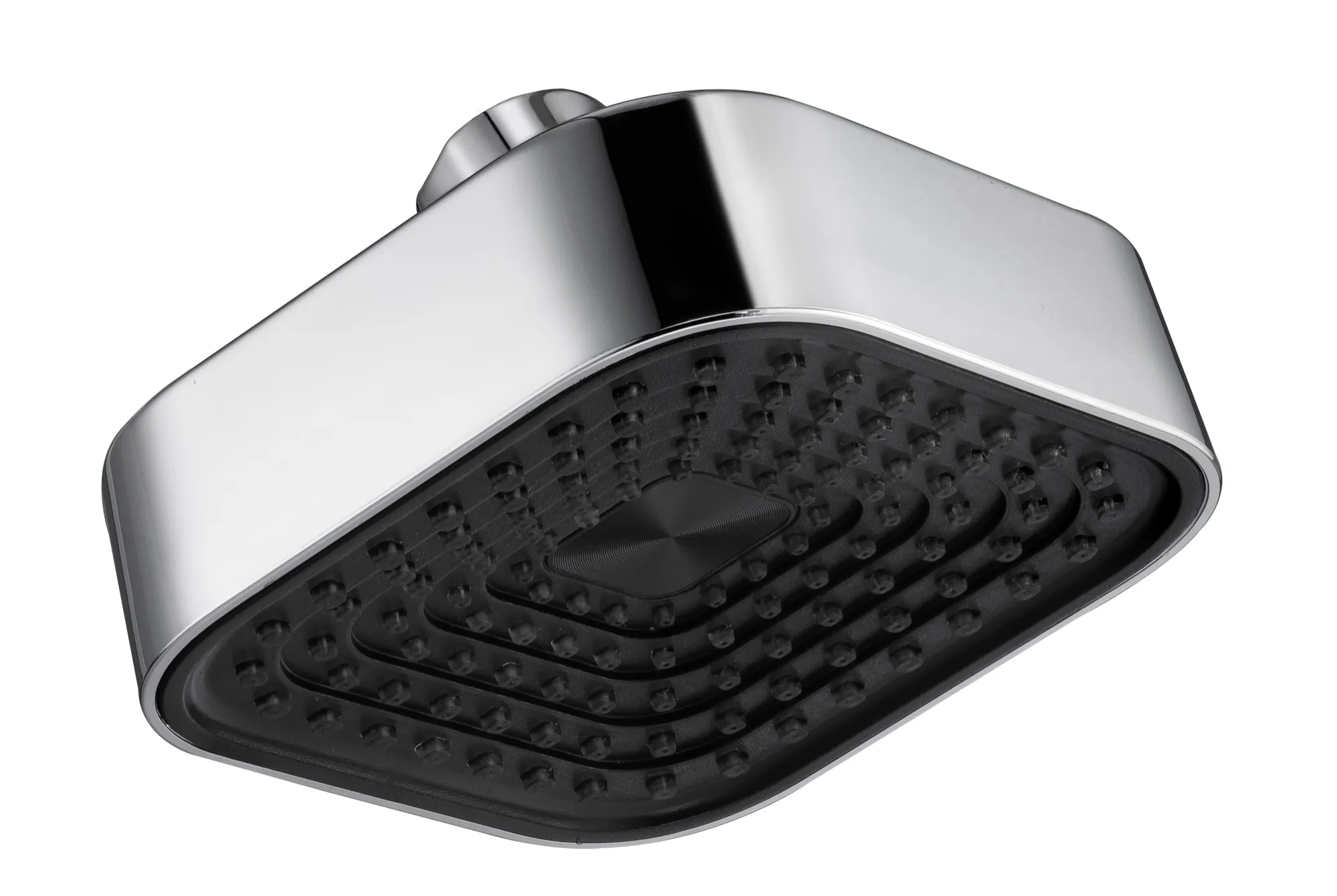
How do I remove limescale from my "Rainfall" showerhead?
Soak the nozzles in a vinegar-water solution; most modern heads have silicone nozzles that can be simply rubbed to break off mineral deposits.
How do I choose the right bathroom sink?
Choose a sink type (e.g. pedestal, countertop, undermount, wall-mounted) that fits your space and style. Consider the sink’s size and shape, the material (ceramic/porcelain, glass, stone, etc.), and that it is compatible with your faucet and plumbing setup.
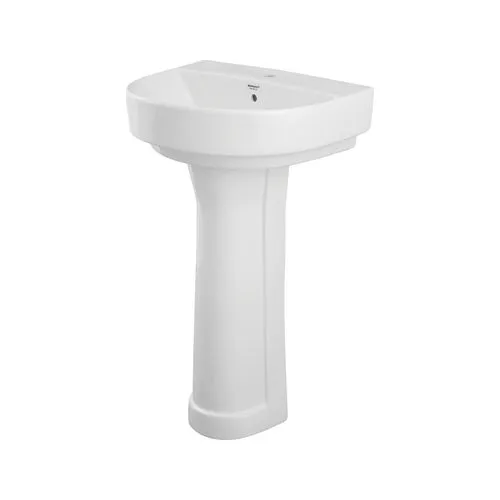
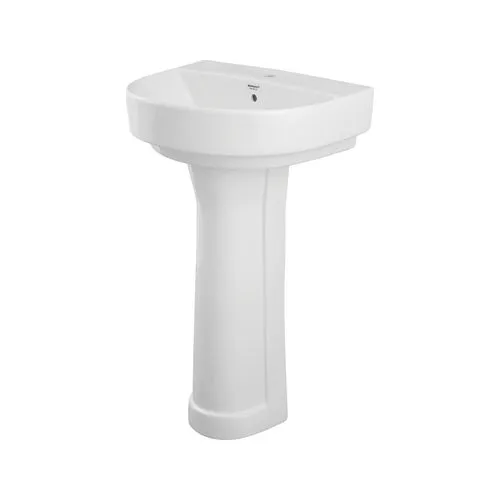
What is a "Pedestal" basin?
A wall-mounted sink supported by a ceramic pillar. It hides all plumbing pipes and offers a classic, elegant look for smaller bathrooms.
What is a "Pop-Up Waste" coupling?
A modern sink drain that opens and closes with a simple push, eliminating the need for a rubber plug and chain.
How do I choose between an "Above Counter" and "Under Counter" basin?
Above counter (Vessel) makes a style statement; under counter is more practical for easy cleaning of the countertop.
Why are "Thin Rim" basins trending?
Advances in ceramic technology (like Ultra Ceramics) allow for thinner, more elegant edges that provide a refined, contemporary look.
What is a "Vessel Sink"?
A bowl-style sink that sits atop the countertop. It offers a dramatic focal point and is easier to install than undermount versions.
What are the new designs in wash basins?
SOMANY offers a diverse selection of wash basin designs that are sure to complement any room. From classic, minimalist styles to modern and contemporary looks, you’ll be able to find the perfect wash basin for your home or office. Some of our latest designs include the sleek Signature Collection, the elegant French collection, and the timeless Classic range. Explore our catalogue for more options!
What is a vanity washbasin?
A vanity washbasin is integrated into or placed atop a cabinet or storage unit, known as a vanity. This setup offers both functionality and style , providing a seamless look while also offering storage space for bathroom essentials.
How many types of washbasins are there?
There are several types of washbasins , including pedestal , wall-mounted , countertop , undermount , and semi-recessed basins , each offering different installation and design benefits to suit various bathroom layouts and styles.
What are the benefits of a pedestal washbasin?
A pedestal washbasin offers a classic and elegant look, with the pedestal concealing plumbing and pipework for a tidy appearance. It's ideal for traditional or compact bathrooms where space-saving is essential.
Are ceramic washbasins easy to maintain and clean?
Yes, ceramic washbasins are known for their durability and ease of maintenance. Their smooth, non-porous surface resists stains and is easy to clean with standard bathroom cleaners, making them a practical choice for any bathroom.
What are the advantages of a small washbasin?
Small washbasins are ideal for tight spaces such as powder rooms or small bathrooms. They save space while still providing functionality, and they can be stylishly designed to enhance the bathroom's aesthetic.
How do I choose the right washbasin for my bathroom?
To choose the right washbasin , consider the size of your bathroom, the basin's installation type, material, design, and how it complements the overall bathroom decor. Also, think about the basin's practicality in terms of usage and cleaning.
What is a modern washbasin design?
Modern washbasin designs often feature sleek lines, minimalist aesthetics, and innovative materials. They may incorporate integrated storage solutions, unusual shapes, or advanced functionalities that blend style with practicality.
What is the difference between a countertop and a tabletop washbasin?
A countertop washbasin is designed to be partially recessed into a counter, with only the rim sitting above the countertop surface. A tabletop washbasin , on the other hand, sits entirely on top of the counter, acting as a bold design statement.
Which shape of washbasin is best?
The best washbasin shape depends on personal preference and bathroom layout. Common shapes include round, oval, square, and rectangular. Consider the space available and the desired style when choosing the basin shape.
What are the different types of washbasin designs available?
Washbasin designs vary widely, including pedestal, vessel, undermount, wall-mounted, and countertop basins . Each type comes in various shapes, sizes, and materials, ranging from traditional ceramic to modern composite materials, to suit different bathroom styles and needs.
What is tile adhesive?
Tile adhesive is a factory-formulated dry powder that you mix with water (or additives) to create a paste for fixing tiles. It provides better grip, flexibility and uniform bonding compared to traditional cement mortar.
Why is tile adhesive better than cement mortar for tiling?
Cement mortar shrinks as it cures, creating voids and potential weak spots. Tile adhesive is a fine, uniform paste that sets faster and bonds consistently across the tile surface. It reduces the risk of cracking or debonding.
What adhesive should I use for ceramic wall or floor tiles?
A polymer-modified cement-based tile adhesive is generally recommended for ceramic tiles on walls or floors. These adhesives are formulated for tile installation and give a strong, durable bond for ceramic materials.
How thick should the tile adhesive layer be?
Usually 3–6 mm of adhesive (with a notched trowel) is used under most tiles. For uneven surfaces or large-format tiles, up to ~10 mm thickness may be needed (using proper trowel size). Always follow manufacturer guidelines.
Can tile adhesive be used on walls (vertical surfaces)?
Yes. You can use tile adhesive on walls. For vertical applications, use a non-sag (T-rated) or thixotropic adhesive to prevent tiles from slipping before setting. This ensures wall tiles stay in place during installation.
How long does tile adhesive take to set or cure?
It varies by product, but a normal-set adhesive typically sets in ~24 hours. Fast-set (rapid) adhesives can set in 3–5 hours. Always allow full cure (often 24–48h) before grouting or light use, per the product instructions.
Can I apply new tiles over old tiles (tile-on-tile)?
Yes, if the old tiles are sound and clean. For tile-on-tile applications use a high-quality, polymer-modified adhesive designed for this purpose. Make sure old tiles are firmly bonded, free of grease, and properly primed.
How much tile adhesive is needed per square metre?
Coverage depends on tile size and trowel notch. As a rough guide: small tiles may use ~2–3 kg/m², medium tiles ~4–5 kg/m², and large-format tiles ~6–7 kg/m² of adhesive. Check the adhesive datasheet for exact coverage.
Can I use tile adhesive outdoors or in a swimming pool?
Yes – but use the right type. For outdoors or wet-exposed areas (balconies, facades), choose a weather-resistant, polymer-modified adhesive. For swimming pools or submerged areas, use a specialized waterproof/flexible adhesive.
Why should I use "Ezy Fix" adhesive instead of cement?
Vitrified tiles have low porosity and won't bond to cement; Ezy Fix adhesives contain polymers that create a strong chemical bond.
What is "SEF 333" specifically used for?
It is a polymer-modified grey adhesive for interior floors, suitable for ceramic and standard-sized vitrified tiles.
Can I use "SEF 444" for dark-colored marble?
It is possible, but SEF 444 (White) is specifically formulated for light marble or glass to prevent the grey adhesive from showing through.
What is the best adhesive for "Exterior Cladding"?
SEF 777 or SEF 888 are specifically designed for external walls, offering the flexibility and water resistance needed for weather exposure.
What is "Slaking Time" in adhesive mixing?
After the initial mix, the adhesive should sit for 5-6 minutes to let the polymers activate, followed by a quick re-mix before use.
Can I use "SEF 888" for high-rise buildings?
Yes, it is a Type 4 adhesive designed for the structural movements and high wind loads associated with exterior cladding on high-rise structures.
Can I use "Tile Adhesive" over painted walls?
It is not recommended. The paint must be scraped off and the wall "keyed" (roughened) to ensure the adhesive can bond directly to the masonry.
What is the "Pot Life" of mixed adhesive?
For most Ezy Fix products, the mixed adhesive remains usable in the bucket for 3-4 hours, depending on ambient temperature.
Why is "S1" or "S2" classification important?
These measure "Deformability" or flexibility; S2 adhesives like SEF 888 can handle more substrate movement without cracking the tile.
Can I use "Epoxy" adhesive for swimming pools?
Yes, epoxy adhesives provide exceptional bond strength and total waterproofing, making them ideal for submerged and heavy-use areas.
How do I calculate "Adhesive Coverage"?
A 20kg bag typically covers ~35-40 sq. ft. for a 4mm bed, but this decreases significantly when "back-buttering" large format tiles.
Is "Ezy Fix" suitable for "Tile-on-Tile" application?
Yes, SEF 666 and SEF 777 are designed for overlaying new tiles on top of old ones, saving time and demolition debris.
Can I add extra cement to my adhesive to make it stronger?
Never add cement to adhesive; it disrupts the balanced polymer chemistry and will likely cause the bond to fail over time.
What is "Open Time" in adhesive specs?
The window of time (e.g., 30 mins) after applying adhesive to the wall where it is still "wet" enough to bond with the tile.
Can I use "SEF 666 Plus" on external walls?
Yes, SEF 666 Plus is a Type 3 adhesive suitable for both interior and exterior wall installations of large-format tiles.
What happens if I use "too much water" in my adhesive?
Excess water leads to "shrinkage" and weaker bond strength, potentially causing tiles to crack or detach as the adhesive dries.
Can "Tile Adhesive" be used on "Drywall"?
Yes, but you must use an adhesive specifically formulated for drywall (like Weberfix) or a highly polymer-modified cementitious one.
What is the "Shelf Life" of Ezy Fix adhesives?
Typically 12 months from the date of manufacture if stored in a dry, sealed condition away from direct moisture.
What are some popular types of tile adhesives?
Some popular types of tile adhesives include cement-based adhesives, epoxy adhesives, and acrylic adhesives. Somany offers the Somany EZY Fix brand, which provides complete tiling solutions including cement based adhesives, grouts (Epoxy & Cement), and tile cleaners.
How do you prepare a surface for tile installation?
To prepare a surface for tile installation, you should ensure that it is clean, dry, and leveled. You may need to remove any old tiles, fill in any holes or cracks, and use a primer to create a suitable surface for the adhesive.
What are some common types of adhesives used for tile installation?
Some common types of adhesives used for tile installation include cement-based adhesives, epoxy adhesives, and acrylic adhesives.
What type of adhesive should be used for outer wall cladding tiles?
The type of adhesive used for outer wall cladding tiles will depend on the type of tile and the surface it will be applied to. For example, cement-based adhesives are commonly used for natural stone tiles, while epoxy adhesives may be more suitable for glass tiles. Somany also offers High strength cement based tiles adhesives SEF 777 & SEF 888 which can with stand heavy large format ceramic and vitrified tiles, including stones and concretes.
What type of adhesive should be used for large format Glazed Vitrified Tiles?
A high-performance epoxy adhesive should be used for large format Glazed Vitrified Tiles, as it provides a strong bond and is resistant to water and chemicals. It is recommended to used EZY Fix Tile adhesives SEF 666, SEF 777 & SEF 888 in large format tiles depending upon application
Is cement mortar enough for fixing Coverstone 15, or should adhesives be used? If adhesives are needed, what grade do you suggest?
Cement adhesisves are not advised for Coverstone. We recommend Ezyfix 888 for walls with height over 6 foot lower areas and for floors Ezyfix 777 is recommended
How should I clean and care for tile grout?
Grout joints tend to capture dirt and darken over time. Clean them regularly with appropriate grout cleaners or mild detergent. Sealing grout after installation helps prevent staining. Routine maintenance keeps grout looking clean.
How long should I wait after tiling before "Grouting"?
You must wait at least 48 hours to allow the adhesive to fully set and the moisture to escape before sealing the joints with grout.
What is "Epoxy Grout" and where is it used?
A resin-based grout that is 100% waterproof and stain-resistant; it is ideal for showers, kitchens, and swimming pools.
Does Somany offer "Metallic" grout colors?
Yes, Somany Ezy Grout includes metallic glitter shades like Gold, Silver, and Copper to enhance the aesthetic of premium tiles.
How many "shades" are available in Ezy Grout?
There are over 40 shades available, allowing for precise matching or bold contrasting with any tile design.
What is "Efflorescence" in grout?
The white, chalky mineral deposit that appears on cement grout joints. Using distilled water or epoxy grout can prevent this.
How do I clean "Epoxy Grout" residue?
It must be cleaned "fresh" with a wet sponge and abrasive pad within 30-45 minutes; once cured, it is nearly impossible to remove.
Does "Ezy Grout" require "Sealing"?
Cement-based Ezy Grout should be sealed to prevent staining; Epoxy Ezy Grout is naturally non-porous and never requires sealing.
Is "Ezy Grout Admixture" necessary?
Using the admixture instead of water increases the flexibility and bonding of cement grout, making it more resistant to cracking.
What is the best grout joint width for LFT?
A minimum of 3mm is recommended to accommodate the inherent "bending" in large tiles and provide enough room for thermal movement.
Why does grout "crack" in the corners?
Corner joints are prone to structural movement. Use a flexible silicone "caulk" in matching colors instead of rigid grout for these transition joints.
How do you choose the right grout color?
When choosing a grout color, you should consider factors such as the color and texture of your tiles, the overall design of the room, and your personal preferences. You may want to test out different grout colors on a small area of your tiles to see how they look. Somany offers widest range of Grout colors (40 shades including Glitter).
How do you choose the right grout for your tiles?
When choosing grout for your tiles, you should consider factors such as the size of the gaps between the tiles, the color of the tiles, and the level of foot traffic in the area. You may also want to choose a grout that is water-resistant or stain-resistant, depending on the location of the tiles.
What is the difference between cement-based grout and epoxy grout?
Cement-based grout is made from a mixture of cement, sand, and water, while epoxy grout is made from epoxy resin and a hardener. Epoxy grout is more durable and water-resistant than cement-based grout.
What type of grout should be used for ceramic tiles?
A cement-based grout is commonly used for ceramic tiles, as it provides a strong and durable bond. Somany EZY Grout comes with 1kg packet of cement based grout with more than 30 shades.
What type of grout should be used for vitrified tiles?
A high-performance epoxy grout is commonly used for vitrified tiles, as it provides a strong and durable bond and is resistant to water and chemicals. Somany EZY Grout (Epoxy) offers high performance and durable range in 40 exciting shades.
What kind of grouts are recommended for interior and exterior tile grooves?
For exteriors we recommend Epoxy Ezygrout while in indoors Cementitious Ezygrouts are fine. Cement-based grout is made from a mixture of cement, sand, and water, while epoxy grout is made from epoxy resin and a hardener. Epoxy grout is more durable and water-resistant than cement-based grout.
Are ceramic tiles best for home?
Ceramic tiles are a versatile and popular choice for homes due to their durability, wide range of designs, colors and patterns . They are suitable for various applications, including floors, walls, and backsplashes in kitchens and bathrooms.
Are ceramic tiles good for outdoor use?
While ceramic tiles can be used outdoors, but they are not as durable as vitrified tiles for outdoor use. They may not withstand severe temperature changes and heavy foot traffic as well as other materials designed for outdoor environments. Opt for heavy duty vitrified tiles ( Durastone ) they are designed to provide a high level of durability, strength, and longevity.
Do ceramic tiles come in different finishes?
Yes, ceramic tiles come in a variety of finishes, including glossy, matte, textured, and glazed . This variety allows for flexibility in design and application, suiting different aesthetic preferences and functional requirements.
Can I use ceramic tiles in my kitchen?
Absolutely, ceramic tiles are an excellent choice for kitchens. They are durable, easy to clean, and resistant to stains and spills, making them ideal for kitchen floors, walls, and backsplashes .
Are ceramic tiles water-resistant?
Ceramic tiles have a glazed protective layer that makes them resistant to water and stain penetration, making them suitable for wet areas like bathrooms and kitchens . However, they are not as impervious to moisture as porcelain tiles.
Are ceramic tiles OK for bathroom walls?
Yes, ceramic tiles are a great choice for bathroom walls . Ceramic tile comes in a wide range of colors, patterns and designs for a sleek, luxurious look. They can withstand the humid environment of a bathroom and are easy to clean and maintain.
Are ceramic tiles expensive?
Ceramic tiles are known for their affordability, making them a cost-effective option for flooring and wall applications. Prices can vary based on the tile's design, size, and finish , but overall, they offer good value for the quality and durability provided.
Are ceramic tiles suitable for bathrooms?
Ceramic tiles are highly suitable for bathroom space due to their water-resistant properties and ease of cleaning. Their wide range of designs, colors and finishes also allows for creative and attractive bathroom aesthetics.
Are ceramic tiles appropriate for exterior applications?
Ceramic tiles can be used for exterior applications, but their suitability depends on: Porosity: Standard ceramic tiles are more porous than vitrified tiles, making them prone to water absorption and frost damage in cold climates. Slip Resistance: Textured or matte-finish ceramic tiles are safer for outdoor use (e.g., patios, walkways). PEI Rating: For exteriors, choose tiles with PEI IV or V (high abrasion resistance). Climate: In freeze-thaw regions, frost-resistant ceramic tiles are recommended.
What are vitrified tiles?
Vitrified tiles are made by a high-temperature vitrification process combining clay, silica and feldspar. This creates a dense, glass-like finish making the tiles very hard, durable and nearly impermeable to water.
What is "Full Body" vitrified tile?
A tile where the color and pattern go all the way through the body, meaning scratches or wear won't reveal a different color underneath.
What is the difference between ceramic and porcelain tiles?
Porcelain tiles are fired at higher temperatures and are denser and harder than ceramic tiles. They absorb <0.5% water (ASTM standard), whereas ceramic tiles absorb ~3–7%. Porcelain’s low porosity makes it more durable and water-resistant.
What is the difference between ceramic tiles and vitrified tiles?
Ceramic tiles are made from clay and other natural materials, while vitrified tiles are made from a mixture of clay and other materials that are then fired at high temperatures to create a denser, more durable tile.
What are some common types of vitrified tiles?
Some common types of vitrified tiles include full-body vitrified tiles, double-charged vitrified tiles, and digital vitrified tiles. To know more visit Somany Experience centre for better understanding of tiles there usage and application. We have close to 20 Experience centers across India.
What is the difference between Double charge and soluble salt tiles?
Double charge and soluble salt tiles are both types of vitrified tiles, but they differ in the way they are manufactured and their visual characteristics. Double charge tiles are made by pressing two layers of different colors of raw materials together and firing them at high temperatures. The top layer is around 3-4 mm thick, which gives the tile a thicker and denser surface. This process creates a tile with a unique, multicolored pattern that is highly resistant to scratches and stains. Soluble salt tiles, on the other hand, are made by printing a design on the surface of the tile and then applying a soluble salt solution that seeps into the tile's pores. This process results in a tile with a single, uniform color and design, and a smooth surface. Soluble salt tiles are generally more affordable than double charge tiles, but they are not as durable and are more prone to wear and tear. In summary, the main differences between double charge and soluble salt tiles are the manufacturing process, the visual characteristics, and the level of durability. Double charge tiles have a unique, multicolored pattern and are highly durable, while soluble salt tiles have a uniform color and design and are more affordable but less durable. Somany offers Somany Ultra Charge and Soluble salt range which is best in the market in terms of design and quality.
What are the differences between ceramic and vitrified tiles? Where should double-charged and full-body tiles be used?
Vitrified tiles are highly non-porous and are thus way more resistant towards stains than regular ceramic tiles. Ceramic tiles are generally available with coarse textures and surfaces, which makes them less slippery. Vitrified tiles have a smooth and glossy surface. Ceramic tiles are made from clay and other natural materials, while vitrified tiles are made from a mixture of clay and other materials that are then fired at high temperatures to create a denser, more durable tile.
What are the differences between double charge and vitrified tiles?
Double charge and soluble salt tiles are both types of vitrified tiles, but they differ in manufacturing process, visual characteristics, and durability: Double Charge Tiles: Made by pressing two layers of raw materials together and firing at high temperatures. The top layer (3–4 mm) creates a thick, dense surface with unique multicolored patterns. Highly resistant to scratches and stains. Soluble Salt Tiles: Manufactured by printing a design on the surface and applying a soluble salt solution that seeps into the pores. Results in a uniform color/design with a smooth surface. More affordable but less durable and prone to wear. Summary: Double charge tiles are durable, scratch-resistant, and patterned, while soluble salt tiles are uniform, budget-friendly, but less durable. Somany offers Ultra Charge and Soluble Salt ranges, known for top quality and design.
What are some advantages of using Homogeneous Vitrified Tiles?
Homogeneous Vitrified Tiles have a uniform color and texture throughout the tile, which makes them ideal for high-traffic areas like hospitals, schools, and public spaces. They are also highly durable and resistant to wear and tear. Somany Tech Homogenea is the best homogeneous range in the market available in various finishes, textures and sizes.
Can Homogeneous Vitrified Tiles be used for residential applications?
Yes, Homogeneous Vitrified Tiles can be used for residential applications, particularly in high-traffic areas like entryways, kitchens, and bathrooms.
What are some design options for Homogeneous Vitrified Tiles?
Homogeneous Vitrified Tiles come in a range of colors and textures, including solid colors, speckled patterns, and textured finishes.
Can I use a regular trowel for "Large Format Slabs"?
No, you must use a "Notched Trowel" to create air channels, and "Back-Buttering" is mandatory to ensure 100% coverage behind the slab.
Why are large-format slabs (LFT) preferred for modern living rooms?
LFT reduces vertical and horizontal grout lines, creating a luxurious, seamless appearance that mimics the look of high-end natural stone slabs.
Are large format tiles a good choice for small kitchens?
Large format tiles can be a good choice for small kitchens as they have fewer grout lines, which can create a seamless look and make the space appear larger. However, it's important to ensure the scale of the tiles is appropriate for the size of the kitchen to maintain aesthetic balance.
Are big tiles better in a small bathroom?
Big tiles can work well in a small bathroom as they have fewer grout lines, creating a seamless appearance that can visually expand the space. However, the layout and tile size should be carefully considered to ensure a proportional look.
What are some advantages of using large format Glazed Vitrified Tiles?
Large format Glazed Vitrified Tiles have a uniform surface that makes them ideal for creating seamless flooring designs. They also come in a variety of colors and designs, which makes them a popular choice for modern homes and commercial spaces. Somany offers Somany Max and Somany Tech homogenea that comes with wide range of Large format tiles in 800 x 2400 mm, 1200 x 1200 mm, 1200 x 1800 mm, 1200 x 2400 mm
What are some popular applications of large format Glazed Vitrified Tiles?
Large format Glazed Vitrified Tiles are commonly used in living rooms, dining rooms, and other common areas in homes, as well as in commercial spaces like hotels, malls, and airports.
Can large format Glazed Vitrified Tiles be used for outdoor applications?
Yes, large format Glazed Vitrified Tiles can be used for outdoor applications, as long as they are installed using a suitable adhesive and grout that can withstand exposure to water and weather. We recommend Somany EZY Fix SEF 777 & SEF 888
Can you share the correct tile installation methods and materials for large format tiles?
This information is also provided in the installation film, available on the Somany website: Installation Film – Laying Instructions
Which tiles are best for kitchen floors?
Porcelain (vitrified) tiles are typically best for kitchen floors. Their high strength and <0.5% water absorption make them resistant to spills and heavy use. They are harder and less porous than ceramic tiles.
What are some popular colour options for kitchen tiles?
Kitchen tiles come in a variety of colours and finishes, from classic shades to modern patterns. Some popular colours this season include grey, beige, and blush tones.
Is tiling kitchen floors a good idea?
Yes, it is! Tiling your kitchen floor is a great way to add a fresh look to your space and make it more appealing. Floor tiles are water-resistant, durable, and easy to clean, so they’re perfect for the kitchen.
How to clean kitchen tiles?
To clean kitchen tiles, start by sweeping or vacuuming to remove any loose dirt or debris. Next, use a sponge to apply a solution of water & mild detergent to the tiles. Scrub the tiles gently, paying special attention to any stubborn stains. Once the tiles are clean, rinse them thoroughly with clean water.
How to select kitchen tiles?
To select kitchen tiles, you must consider factors such as durability, functionality, style and hygiene. It is essential to choose tiles that are easy to clean whether it is a kitchen floor or wall tiles. Consider the overall look and feel you want to achieve, as well as the colour scheme of your kitchen. So, the key to selecting the perfect kitchen tile is to balance practicality with style to create a beautiful and functional space.
What are some popular colour and pattern options for kitchen tiles?
A diverse range of colors and finishes are available for kitchen tiles, spanning from timeless hues to contemporary designs. Your personal style and kitchen decor will determine the choice of color and pattern for the tiles. This season, trendy colors such as grey, beige, and blush tones are popular, while mosaic, geometric, and natural patterns are in demand.
What are some trending kitchen tile styles?
Some trending kitchen tile styles include Moroccan-inspired tiles, geometric patterned tiles, and large-format tiles. These styles can be used to create various looks, from classic and timeless to modern and bold. It's important to choose a style that complements your kitchen's overall design and aesthetic.
What is the most popular tile for kitchen?
Ceramic and porcelain tiles are the most popular choices for kitchens due to their affordability, durability and wide range of styles, colors and finishes that suit various kitchen designs .
What size tiles are best for kitchens?
The best tile size for a kitchen can vary based on the layout and size of the space. Larger tiles can create a seamless look with fewer grout lines, while smaller tiles or mosaic tiles may be preferred for backsplash areas for more intricate designs.
How do I choose tiles for a small kitchen?
For a small kitchen , consider light-colored tiles to make the space feel larger and more spacious. Glossy or reflective tiles can also enhance light, contributing to a more spacious feel. Opt for larger tiles to minimize grout lines and create a more seamless appearance.
Which tiles make a kitchen look bigger?
Light-colored tiles , such as whites or creams, and large-format tiles such as 800x2400mm, 800x2600mm, 800x3000mm comes with minimal grout lines can make a kitchen look bigger. Glossy finishes tiles with a reflective surface can also amplify light and contribute to a sense of spaciousness.
What is the best tile color for a kitchen?
The best tile color for a kitchen depends on personal preference and the overall design scheme. Neutral colors like white, beige, and gray are versatile and can help create a clean, spacious look. Bold or dark colors can be used for contrast or as accent pieces.
What are the best kitchen tiles for backsplashes?
Ceramic and porcelain tiles are excellent choices for kitchen backsplashes due to their wide range of colors, patterns, and finishes. They are also easy to clean and resistant to stains and heat, which is ideal for the area behind stovetops and sinks.
Is anti-slip tile a good option for kitchen floors?
Yes, anti-slip tiles are a good option for kitchen floors , especially in areas prone to spills and moisture. These tiles are designed with a textured surface or a slip-resistant coating to provide better grip and reduce the risk of slips and falls.
Are ceramic tiles easy to clean for a busy kitchen floor?
Yes, ceramic tiles are easy to clean and maintain, making them a great choice for busy kitchen floors . Their glazed surface is resistant to stains, spills, and moisture, which allows for easy wipe-downs and regular cleaning without much hassle.
What are the most stain-resistant and scratch-resistant kitchen floor tiles?
Vitrified tiles are among the most stain-resistant and scratch-resistant options for kitchen floors . They are denser and less porous than ceramic tiles, making them highly durable and suitable for high-traffic kitchen areas.
What type of tile is best for kitchen backsplashes?
Ceramic tiles and porcelain tiles are commonly used for kitchen backsplashes because they are durable and easy to clean.
How do I remove stubborn grease from kitchen tiles?
Use an alkaline-based tile cleaner or a mild dish soap solution. Avoid scouring pads that can scratch the protective glaze.
What is better for a kitchen - granite, quartz, or tiles?
Material Pros Cons Best For Granite Natural, heat-resistant, unique patterns Porous (needs sealing), expensive, heavy High-end kitchens, countertops Quartz Non-porous, stain-resistant, uniform look Not heat-proof, premium pricing Low-maintenance, modern kitchens Tiles Affordable, versatile designs, easy DIY Grout lines (stain-prone), less seamless Budget-friendly backsplashes, floors Recommendation: Countertops: Quartz (durability) or granite (natural appeal). Backsplash/Floors: Large-format tiles (e.g., Somany’s GVT) for a seamless look.
How much do floor tiles cost?
Floor tile prices vary by material (ceramic vs vitrified), size and finish. Shortlist Somany floor tile designs online, then confirm current pricing with an authorised dealer or Experience Centre for your city — rates differ by range and location, so we do not publish a single nationwide MRP here.
What type of tiles are most suited for living rooms?
Living rooms can be enhanced with a variety of tiles such as wooden, elevation, 3D, highlighter, and pattern tiles. By selecting tiles that match your color scheme, you can customize the look and feel of your space. The choice of tile is entirely up to you, allowing you to select the perfect one for your living room.
Are living room tiles easy to clean and maintain?
Floor Tiles are easy to clean and maintain, but their upkeep depends on the type of tile, and the grout used. Some tiles are more durable and stain-resistant than others when it comes to cleaning and maintaining them.
How do I choose the right size for living room tiles?
Choosing the right size for living room tiles depends on several factors such as the size of the room, the design style, and personal preferences. Larger tiles can make a room feel more modern and sleeker, while smaller tiles can create a more traditional or vintage look. It is also essential to consider the shape of the room and the placement of furniture when selecting tile size.
Can tiles be used for a living room wall as well as the floor?
Yes, tiles can be used on both the floor and wall in a living room. Wall tiles are commonly used as a backsplash or feature wall.
What are the most popular tile styles for living rooms?
Some popular tile options for living rooms include neutral tones such as white, beige, and grey, as well as warmer colors like brown, tan, and cream. Bold and bright colours are also popular and are often used as accents rather than the main colour scheme. Your choice of the tile colour should depend on factors such as the room's size, the room's light, and your desired style.
Which types of tiles are suitable for living rooms or halls?
Polished or glazed vitrified tiles, as well as ceramic tiles with aesthetic finishes, are suitable for living rooms or halls. They combine durability with style, offering various design options to complement your decor.
How do I clean and maintain bedroom tiles?
You can clean and maintain bedroom tiles by sweeping or vacuuming regularly, mopping with a mild cleaner, and avoiding harsh chemicals.
Can I use wall tiles in my bedroom as well as on the floor?
Yes, you can use wall tiles in your bedroom as well as on the floor. This can create a cohesive look and is also easy to clean and maintain.
What are some trending designs available in bedroom tiles?
Bedroom tiles has variety of designs, like wood, marble, stone, granite, cement, floral, 3D, mosaic, geometric, and marble, providing ample options to choose from.
Which type of tiles is most suitable for bedroom walls?
Feel free to get creative with your bedroom walls by exploring our range of tile collections. Consider creating a collage of tiles behind your bed with our fully polished pattern designs or adding a touch of fancy with colorful mosaic tiles.
Are there any special tiles for a small bedroom?
For a small bedroom, you can consider using large format tiles or lighter colored tiles to create the illusion of more space.
What type of tiles is best for bedroom floors?
When selecting tiles for your bedroom flooring, it's important to consider your lifestyle. For instance, if you have pets and children, you may want to opt for more durable and easy-to-clean tiles from our Ceramic Floor Tiles Collection. On the other hand, if you prefer an elegant touch, you may want to explore our luxury range of Duragres collection.
What factors should I consider when selecting bedroom tiles?
Bedroom tiles features an extensive range of designs, including wooden, marble, stone, granite, texture, cement, floral, 3D, mosaic, geometric, travertine, onyx, statuario, and plank, providing ample options to choose from.
Which types of tiles are suitable for living rooms or halls?
Polished or glazed vitrified tiles, as well as ceramic tiles with aesthetic finishes, are suitable for living rooms or halls. They combine durability with style, offering various design options to complement your decor.
What bathroom tile sizes are most practical?
Mid sizes (such as 300×600 mm or 600×600 mm) suit most Indian bathrooms and balance looks with cutting waste. Larger formats reduce grout lines in spacious baths; smaller tiles and mosaics help around curves, niches and shower floors. Match size to room scale, falls to drain, and cleaning preference.
Are vitrified (porcelain) tiles suitable for bathrooms and kitchens?
Yes. Vitrified (porcelain) tiles have very low water absorption and high durability, making them ideal for wet areas. They are commonly used in bathrooms and kitchens because they resist water and stains.
Which is a better bathroom tile – ceramic or vitrified?
Both ceramic and vitrified tiles are apt for bathrooms as both have low rates of water absorption, are easy to clean and require minimal maintenance.
Should bathroom tiles be light or dark?
The colour of bathroom tiles depends on personal preference and the bathroom's overall aesthetic. Lighter-coloured tiles can make the bathroom appear brighter and more spacious, while darker-coloured tiles can create a more dramatic and sophisticated look. However, it's essential to consider factors such as maintenance and how well the tiles hide dirt and stains. Ultimately, the decision depends on your preference, practicality, and the desired mood of the bathroom.
Are bathroom tiles waterproof?
Bathroom tiles are not entirely waterproof, but they do have a low level of water absorption that allows them to endure splashes, spills, and even standing water without excessive absorption.
Can tiles be used for a bathroom wall as well as the floor?
Yes, tiles can be used on both the floor and walls in a bathroom, with wall tiles commonly used as a shower surround or as a decorative accent.
Which type of tiles is best for a bathroom?
To avoid slips in the bathroom, opting for tiles with less slippery surfaces, particularly for the floor, is crucial. Tiles that are anti-skid or have a matte finish are ideal for bathroom flooring. In addition to their anti-skid properties, these tiles have low water absorption characteristics, enhancing their durability over time.
How do I choose the right size for bathroom tiles?
The size of the bathroom tile depends on personal preference and the size of the room. Smaller tiles can make a small bathroom appear larger, while larger tiles can create a bold design statement.
What finish shall I choose for bathroom floor tiles?
Tiling bathroom floors is an excellent way to revamp your bathrooms. When it comes to the finish of bathroom floor tiles, always go for matt finish tiles as glossy tiles tend to become slippery when wet. You can also check out our range of anti-skid Slip Shield tiles that are perfect for bathroom floors.
What is the latest trend in bathroom tile?
The latest trends in bathroom tiles include matte finishes, geometric patterns, large-format tiles , and natural stone looks. Textured tiles and soft, neutral colors that create a spa-like ambiance are also popular.
Which tiles are best for bathroom walls?
Vitrified, ceramic and porcelain tiles are great choices for bathroom walls due to their moisture resistance and variety of designs. Avoid using stone tiles as they are porous in nature and not easy to clean.
What is the best flooring for a small bathroom?
For small bathrooms, large-format tiles such as 800x2400mm, 800x2600mm, 800x3000mm, can make the space appear larger. Light-colored tiles , such as whites and pastels, can also help the room feel more spacious and brighter.
Which tile is most slip resistant?
Textured or matte-finished tiles offer greater slip resistance . Specifically, tiles with a high coefficient of friction (COF) rating are considered safer and more slip-resistant, making them ideal for bathroom floors.
Can you use floor tiles on walls in the bathroom?
Yes, floor tiles can be used on bathroom walls for a cohesive look, especially if they match or complement the floor tiles . However, ensure the wall structure can support the weight of floor tiles, as they are often thicker and heavier.
Which color tiles are best for a bathroom?
Light and neutral colors like white, beige, light grey, and pastels are popular as they make the bathroom feel clean and spacious. However, the best color depends on personal preference and the overall design aesthetic.
How do I choose tiles for a small bathroom?
For small bathrooms, opt for light-colored tiles to enhance the sense of space . Consider using larger tiles to reduce grout lines and create a seamless look. Slip Shield tile is a good option for bathroom floors as they are slip-resistant and provide more grip, making them safer for bathroom floors.
What is the difference between bathroom wall tiles and floor tiles?
Bathroom floor tiles are typically more durable and slip-resistant to withstand foot traffic and prevent falls. Wall tiles are lighter than floor tiles and may come in a wider variety of finishes, colors, and designs.
What are some common types of tiles used in bathrooms?
Some common types of tiles used in bathrooms include ceramic tiles, porcelain tiles, and natural stone tiles.
What type of tile is best for bathroom floors?
Vitrified and Porcelain tiles are often used for bathroom floors because they are water-resistant and durable.
What are some common patterns and designs for tiles used in bathrooms?
Common patterns and designs for tiles used in bathrooms include subway tiles, mosaic tiles, and patterned tiles.
Is it safe to use glossy tiles on bathroom floors?
No, glossy tiles become extremely slippery when wet. Anti-skid matte tiles or Slip Shield tiles are the recommended safety standard for wet floors.
What are some tips to consider when selecting parking tiles?
When selecting parking tiles, it is important to consider factors such as durability, slip resistance, ease of cleaning and installation, aesthetic appeal, and overall cost. Durability is key since parking tiles will be exposed to a lot of wear and tear. Slip resistance is also very important in order to prevent any accidents or falls. Ease of cleaning and installation are also critical factors that should not be overlooked. Finally, aesthetic appeal should also be considered so that the space looks good! At SOMANY we offer a wide range of products that check all these boxes - so you can be sure you're getting the best possible tile for your parking area.
Can I use ceramic tiles on a driveway?
No, ceramic tiles lack the breaking strength for vehicle loads. Heavy-duty vitrified tiles (Durastone) or concrete pavers are required for parking areas.
Are full-body vitrified tiles suitable for outdoor use?
Yes, full-body vitrified tiles are suitable for outdoor use due to their low porosity, high durability, and resistance to temperature fluctuations, making them ideal for patios, decks, and other outdoor areas.
How thick should outdoor tiles be?
Depending upon the usage, some of the most used outdoor tiles come in the thickness of 10mm to 15mm.
How do you maintain outdoor tiles?
To maintain outdoor tiles, you should sweep or vacuum them regularly, use a pressure washer or hose to clean them off periodically, for stubborn stains and dirt, use a mild cleaner recommended by the manufacturer.
How do I choose the right size for outdoor and terrace tiles?
To choose the right outdoor tile, you should consider factors such as the climate, the amount of foot traffic the area will receive, the desired style and design, and your budget. Porcelain tiles, for example, are durable, low-maintenance, and suitable for most climates, while natural stone tiles offer a unique and natural look.
Are outdoor and terrace tiles weather-resistant?
The weather-resistance of outdoor and terrace tiles depends on the type of tile used. Porcelain, and natural stone tiles can be more durable and weather-resistant than other options.
What are the best tiles for outdoor walls?
When selecting tiles for an outdoor area, such as exterior walls, it is advisable to choose elevation tiles as they are sturdy and able to endure exposure to various weather conditions.
Can tiles be used for outdoor and terrace walls as well?
Tiles are versatile enough to be utilized on both floors and walls in outdoor or terrace areas. Wall tiles are often employed as decorative features or to establish a privacy barrier.
Do outdoor tiles need waterproofing?
The need for waterproofing outdoor tiles will depend on the material of the tiles and the installation location. Porcelain and ceramic tiles are generally water-resistant and do not require additional waterproofing. However, if the tiles are installed in a wet or damp area, such as around a pool or a garden, waterproofing may be necessary to prevent water penetration and damage to the subfloor.
How do I choose the right outdoor and terrace tiles?
To choose the right outdoor tile, you should consider factors such as the climate, the amount of foot traffic the area will receive, the desired style and design, and your budget. Porcelain tiles, for example, are durable, low-maintenance, and suitable for most climates, while natural stone tiles offer a unique and natural look.
What are some factors to consider when choosing outer wall cladding tiles?
When choosing outer wall cladding tiles, you should consider factors such as the location of the building, the climate, the level of maintenance required, and the overall design of the building. Somany offers wide range of Cladding tiles in Stone, concrete and Wood punch textures.
What are some common types of tiles used in patios and outdoor spaces?
Some common types of tiles used in patios and outdoor spaces include natural stone tiles, porcelain tiles, and concrete pavers. Somany Durastone offers wide range of Outdoor vitrified tiles that not only matched stones in terms of strength but gives variety of designs, textures and punches that gels well with outdoor landscapes.
What are some common types of tiles used in gardens and outdoor walkways?
Some common types of tiles used in gardens and outdoor walkways include natural stone tiles, concrete pavers, and ceramic tiles. Somany Durastone tiles are best suitable option for outdoor application.
How should I clean and maintain porcelain tiles?
Regular cleaning with warm water and a mild soap (or neutral pH tile cleaner) is sufficient for porcelain. Avoid harsh acidic or ammonia-based cleaners (they can damage grout and glaze). After cleaning, dry tiles thoroughly.
Do porcelain tiles require sealing?
No. Glazed porcelain tiles are impervious and do not require sealing. However, it is often recommended to seal grout lines to protect them from stains, since grout can absorb dirt over time.
How do I clean rust stains from bathroom tiles?
Use a specialized acid-based tile cleaner diluted in water, or a paste of baking soda and lemon juice for a natural alternative (only on ceramic/vitrified).
What is "Lippage" in tile installation?
Lippage is a condition where the edges of adjacent tiles are not at the same height, often caused by an uneven substrate or poor installation of large tiles.
What causes "Tenting" or "Popping" of tiles?
Tenting occurs when tiles expand due to heat but have no room to move because of insufficient grout joints, causing them to lift or buckle.
Why is it important to use spacers during installation?
Spacers ensure uniform grout lines and provide the necessary room for the tile to expand and contract with temperature changes.
Can I install tiles over an old epoxy floor?
It is possible if the surface is thoroughly roughened and a high-bond strength adhesive like SEF 666 or SEF 777 is used.
What is "Ezy Clean" tile cleaner?
A powerful acid-based solution used to remove post-installation cement film, grout residue, and hard water stains from tiles.
What are some tips for cleaning and maintaining tile and grout?
To keep your tile and grout looking their best, you should clean them regularly with a mild detergent and warm water. You can also use specialized cleaners or steam cleaners to remove stubborn stains. Additionally, you should seal your grout to prevent it from becoming discolored or stained over time.
How do we clean and maintain the tiles?
Daily Cleaning: Sweep/Vacuum: Remove dust and grit to prevent scratches. Mop with pH-neutral cleaner: Avoid acidic/abrasive chemicals (e.g., vinegar, bleach). Microfiber cloth: Best for glossy tiles to avoid streaks. Stain Removal: Oil/Grease: Dish soap + warm water. Hard Water: White vinegar (diluted). Grout Stains: Baking soda paste or oxygen bleach. Long-Term Maintenance: Grout Care: Seal grout lines annually (sanded grout for floors, epoxy grout for wet areas). Scratch Prevention: Use felt pads under furniture. Gloss Retention: For polished tiles, avoid harsh scrubbers. Special Tile Care: VC Shield Tiles: Extra scratch-resistant – normal cleaning suffices. Slip Shield (Anti-Slip): Use a soft brush for textured surfaces. Natural Stone Look Tiles: Re-seal periodically if unglazed. Pro Tip: For large-format tiles (LFT), use a flat mop to prevent lippage (uneven edges). Avoid steam mops on vitrified tiles (heat can weaken adhesive).
What factors should be considered when choosing lobby tiles?
When choosing lobby tiles, you should consider factors such as the level of foot traffic, the overall design of the space, and the color scheme. You may also want to choose tiles that are slip-resistant and easy to maintain. Usually Somany large format tiles (Max & Tech Homogenea) are most suitable tiles for application.
How do you install temperature-resistant tiles?
To install temperature-resistant tiles, you should first prepare the surface by cleaning and leveling it. You can then apply an adhesive specifically designed for high temperatures and place the tiles in the desired pattern. Finally, you should use a high-temperature grout to fill in the gaps between the tiles.
Why do we need to leave spacer joints between tiles? What happens if we lay the tiles in a paper joint fashion as we do with other companies like Simpolo and Nexion?
Tile have a tendency of bending. Tile spacers allow you to keep your floor level and ensure that each tile is properly grouted. If your tiles are too close together, you risk damage if they expand. They could also become dislodged or chipped. Spacers provide a more secure, durable surface.
Can tiles be installed on top of existing tiles?
Yes it is possible to install tile on tile, however one needs to keep in mind that the floor height will increase and that may call for readjustment of doors etc.
What is tile popping?
Improper adhesion, can cause tile to pop out pop out, break, or bend, creating unevenness in the floor.
Do you provide equipment required for fixing your tiles to our contractors on a rental basis?
No
How do you cut and pierce tiles?
This information is provided in the installation film which is available on the website
How do you keep up with the latest trends and innovations in flooring and tile design and technology?
Somany stays ahead through: Global Collaborations: Partnerships with Italian and Spanish designers for cutting-edge patterns. R&D Focus: Innovations like VC Shield, Temp Shield, and advanced digital printing. Trend Forecasting: Active participation in international expos (e.g., Cersaie, Cevisama). Sustainability: Eco-friendly manufacturing processes and use of recycled materials. Result: Timeless designs (marble and wood looks) combined with technology-backed durability.
Is support available if there are issues after installation, and what is the durability of your tiles?
Yes, Somany provides post-installation support. The durability of tiles varies by type: VC Shield Tiles: Highly abrasion-resistant (50,000+ rotations).
Why should we choose your tiles if we can get the same quality and cost from your competitors?
Consistency in Durability, Quality & Appearance: SOMANY tiles are crafted from top-quality materials and rigorously tested for outstanding durability. They resist abrasion, stains, warping, and wear, minimizing cracks, chips, breakage, or fading. Renowned for uniformity in size, shape, thickness, and appearance, enhancing aesthetic appeal. Money for Value: SOMANY products offer more than “value-for-money” — they deliver “money-for-value.” By paying a slight premium, customers gain significantly higher value in return. Trusted Legacy: With over 50 years of legacy, SOMANY has consistently earned customers’ trust through innovation. As pioneers in ceramics in India, SOMANY delivers high-quality products trusted by millions in India and abroad.
Are your tiles eco-friendly, and what are their sustainability credentials?
Yes, Somany tiles are eco-friendly. The company follows sustainable manufacturing processes, uses recycled materials where possible, and ensures minimal environmental impact. The tiles are certified by relevant environmental standards, contributing to green building certifications like IGBC.
How soon can the tiles be delivered?
Delivery timelines depend on product availability, location, and order quantity. Standard products are usually delivered within 7-10 days, while customized orders may take longer (4-6 weeks). Exact timelines can be confirmed upon order placement.
Can you provide references for projects where your tiles have been used?
Yes, Somany can share case studies and references from residential, commercial, and hospitality projects where their tiles have been successfully installed.
Will the tile design be available in the future, or is there a possibility of discontinuation?
Standard designs remain in production, but some limited editions or trend-based designs may be phased out. Architects/clients are advised to check stock availability for specific designs.
How can you supply small quantities of tiles to remote locations?
Somany has a wide distribution network and partners with logistics providers to ensure delivery even to remote locations. Minimum order quantities (MOQ) may apply for customized orders.
What should be done if tile undulation issues arise?
If undulation (unevenness) occurs, the following steps are recommended: Check Substrate: Ensure the base is level before installation. Use Proper Adhesive: Follow recommended application techniques and choose from Somany’s curated EZY Fix Adhesive and Grout range. Consult Experts: Somany provides technical support for rectification. Replacement (if needed): In case of manufacturing defects, replacement can be arranged under warranty.
How can you ensure the regularity of your tile supply from specification to project execution?
Somany maintains strong inventory management and production planning to ensure consistent supply. Projecttimelines are tracked, and dedicated teams coordinate with dealers/contractors to avoid delays.
What is the PEI rating for standard residential floor tiles?
PEI III or IV is standard for most home interiors. VC Shield tiles are used when ratings beyond the standard PEI V are required.
How often should I replace bathroom fixtures like toilets or faucets?
It depends on quality and usage. Toilets can last ~50 years with maintenance, faucets 15–20 years, and sinks 10–20 years. Proper upkeep (addressing leaks, replacing washers, etc.) can extend their life. Replace fixtures when signs of wear (cracks, persistent leaks) appear.
How do I maintain my bathroom fixtures (sanitary ware)?
Regular cleaning is key. Use mild, non-abrasive cleaners on sinks, toilets, and faucets. Avoid harsh chemicals (bleach, acids) that can damage surfaces. Check for leaks periodically and replace worn seals or O-rings. Ensure joints and seams are well-sealed (re-caulking as needed) to prevent water damage.
How can I make a small bathroom look bigger?
Use light, neutral colours on walls and tiles to brighten the space. Install a large mirror (or mirrored cabinet) to reflect light. Choose compact, wall-mounted fixtures if possible. Add open shelving to reduce clutter, and use layered lighting (overhead + task lighting) to create depth.
Is "Matte Black" really out of style for 2025?
While warmer tones (brass/copper) are rising, matte black remains a popular "architectural staple" for modern, industrial-themed designs.
Can I use "Grout-Free" panels in my shower?
Yes, shower wall panels are an alternative to tiles that eliminate grout lines entirely, making maintenance and cleaning significantly easier.
What are sanitaryware products?
Sanitaryware products refer to the fixtures and components in bathrooms and toilets that are made from premium quality materials. These include toilets, basins, bidets, urinals, and sometimes bath fixtures, designed for hygiene and cleanliness.
How to choose the best sanitaryware for your home?
Choosing the right sanitaryware that works best for your home can be tricky. To make sure you get the perfect fit, always consider factors such as the size of your bathroom, your design style, and personal preferences. You should also consider durability, function and aesthetics before committing to a purchase. With SOMANY's wide range of top-quality sanitaryware, you are sure to find the perfect fit for your home.
What is the solar reflective index (SRI) of Somany Temp Shield tiles?
Temp Shield tiles reflect up to 75% of solar radiation and have a 90% thermal emittance, lowering surface temperatures by up to 15°C.
Can I use VC Shield tiles for an outdoor shopping plaza?
Yes, VC Shield's abrasion resistance (50,000+ rotations) is 4x superior to PEI V, making it ideal for the most demanding commercial foot traffic.
What is the difference between R10 and R11 slip resistance?
R11 offers higher traction than R10; Somany Slip Shield tiles achieve R11, making them safer for wet or oily conditions like pool decks and commercial kitchens.
How does "Hydrophobic" technology prevent mold growth?
It creates a water-repellent barrier that prevents moisture from penetrating the tile surface, thereby starving mold and mildew of the damp environment they need to thrive.
What are the benefits of "Germ Shield" tiles?
They are infused with antimicrobial agents that resist bacteria and mold growth, making them essential for high-hygiene areas like kitchens and hospitals.
Can "Temp Shield" tiles reduce my electricity bill?
Yes, by reflecting up to 75% of solar heat, they lower the internal temperature by ~5°C, reducing the load and runtime of air conditioning systems.
Can "Hydrophobic" tiles be used on exterior facades?
Yes, they are excellent for exteriors as they repel rainwater and prevent dust from sticking, keeping the building's appearance clean for longer.
What are Slip-shield tiles?
Slip-shield tiles are specially designed to provide friction and reduce the chances of slips and falls. SOMANY offers a wide range of slip-resistant tiles with special textures, patterns, materials, and finishes that offer an increased level of safety that is perfect for any home or commercial setting. Our slip-resistant tiles are suitable for wet areas like swimming pools, bathrooms and showers, as well as other areas prone to wet and slippery surfaces.
What are temperature-resistant tiles, and where are they commonly used?
Temperature-resistant tiles are tiles that are designed to reflect the heat and reduce temperature on the enclosures. They can withstand high temperatures and are commonly used in areas such as roofs, and outer wall claddings. Somany revolutionary Temp shield tiles is helps in reducing the ambient heat and also fights Heat Island effect.
Does your company provide any warranty for scratch resistance for VC Shield tiles?
The concept behind Veil Craft Hard Coat technology is to make a floor tiles physically and visually unchanged, enduring years of foot traffic. The process of determination of the abrasion resistance is done by rotation of an abrasive load on the tile surface. The number of revolutions sustained without any change in visual appearance is the measure of abrasion resistance. Abrasion Resistance has five grades namely PEI I, II, III, IV & V. PEI V is the highest rating which means any surface which can endure more than 12000 rotations. VC Shield tiles are more than 4 times superior to the standards described in PEI V or Class 5 Floor tiles coated with VC shield coating can withstand 50,000 revolutions and still retain its abrasion resistance, making Somany’s VC the most durable floor tile in India.
In the context of Temp Shield tiles, what is the average heat transfer reduction value compared to normal ceramic or GVT tiles? For example, if the outside temperature is 45°C, what will be the inside temperature if normal tiles are used on the roof?
In the context of Temp Shield tiles, what is the average heat transfer reduction value compared to normal ceramic or GVT tiles? For example, if the outside temperature is 45°C, what will be the inside temperature if normal tiles are used on the roof?
What are Somany VC Shield & Slip Shield floor tiles?
Somany provides detailed instructions for transportation, handling, laying, cutting, edge profiling, grouting, and cleaning of large-size slabs. Full guide available here: Laying Instructions Key guidelines include: Handling & Transporting: Carry slabs vertically with support; avoid dragging edges or corners. On-Site Handling: Use at least two trained operators with PPE and suction tools. Cutting & Drilling: Use diamond blades; drill corner holes before cutting squares/rectangles. Edge Profiling: Bevel/half-bullnose only by skilled professionals. Substrate Preparation: Ensure flat, dry, dust-free, and structurally sound surface. Adhesive Application: Apply Somany EZY FIX adhesive on both slab and substrate with notched trowel. Joints & Levelling: Maintain minimum 3mm joint gaps and use levelling system. Grouting: Start 48 hours after laying; use Somany EZY FIX grout (cement or epoxy). Final Cleaning: After 2–3 days, use mild acid-based cleaner (avoid hydrofluoric acid). Video resources: VC Shield — Durability Protection Slip Shield — Anti-Slip Tiles Temp Shield — Heat Protection Result: Proper slab laying ensures long-lasting, durable, and aesthetically pleasing finishes backed by Somany technologies.
What is a "Lappato" finish?
It is a semi-polished or "honed" finish that offers a subtle sheen without the extreme slipperiness of a full-mirror polish.
What is "Digital Printing" in ceramic manufacturing?
It is a high-resolution inkjet process that can replicate natural textures like marble, wood, and stone with hundreds of unique tile faces for a natural look.
What types of finishes exist for tiles?
Common tile finishes include: Glossy/Polished: Shiny, reflective surface (slippery when wet; ideal for indoor walls). Matte: Non-reflective, slip-resistant (good for floors, outdoor areas). Textured: Rough surface for anti-slip properties (used in bathrooms, balconies). Lappato (Semi-Gloss): Mid-sheen finish, balance of elegance and practicality. Wooden/Stone Effect: Mimics natural materials (popular for rustic or modern designs). Metallic/High-Gloss: Decorative, luxury finish (used for feature walls). Anti-Scratch (VC Shield): Extra protection against abrasion (e.g., Somany’s VC Shield tiles). Anti-Slip (Slip Shield): Specially designed for wet areas (outdoors, pool decks). Each finish serves different functional and aesthetic needs.
What is "Triple Guard" chrome plating?
A multi-layer plating process (Brass-Nickel-Chrome) that ensures a radiant finish and superior resistance to corrosion and wear.
What are the benefits of PVD finishes for faucets?
PVD creates a molecular bond that is extremely hard, preventing the peeling, scratching, and corrosion common in standard electroplated chrome.
Why choose "Brushed Gold" or "Matte Black" over Chrome?
These PVD finishes allow for personalization and better disguise fingerprints and water spots compared to high-shine chrome.
Is "Matte Black" really out of style for 2025?
While warmer tones (brass/copper) are rising, matte black remains a popular "architectural staple" for modern, industrial-themed designs.
How do 3D textured tiles affect room lighting?
Their fluted or ribbed surfaces catch light differently throughout the day, creating dynamic shadows that add architectural interest to a space.
What are the benefits of using 3D tiles for wall decoration?
3D tiles add depth and texture to walls, creating a dynamic and visually appealing space. They are ideal for feature walls and can transform a room by adding character, enhancing the aesthetic appeal, and providing a unique touch to your decor.
Why is "Warm Minimalism" trending for 2025?
(No answer was provided in the raw data)
What is "Mineral Drenching"?
A trend where large-format porcelain slabs are used to cover all surfaces in a room—floors, walls, and counters—to create a monolithic, stone-like environment.
Are "colors of sand" tiles suitable for small bathrooms?
Yes, when used in large formats with minimal grout lines, these light, warm tones can make a compact bathroom feel more spacious and airy.
Can I use elevation tiles for interior feature walls?
Absolutely; their rugged textures (stone, concrete, or wood-look) add depth and interest, especially when used behind a TV unit or bed headboard.
Are "Highlighter" tiles only for bathrooms?
No, they are increasingly used in kitchens as backsplashes or in living rooms to create distinct "zones" or accent panels.
Can you explain what highlighter tiles are and how they're used?
Highlighter tiles are decorative tiles used to accent or highlight certain areas of a space, such as a kitchen backsplash or a bathroom wall. They often feature unique patterns, textures, or colors and are used to add visual interest and contrast to a tile design .
What are some popular colour options for kitchen tiles?
Kitchen tiles come in a variety of colours and finishes, from classic shades to modern patterns. Some popular colours this season include grey, beige, and blush tones.
Should bathroom tiles be light or dark?
The colour of bathroom tiles depends on personal preference and the bathroom's overall aesthetic. Lighter-coloured tiles can make the bathroom appear brighter and more spacious, while darker-coloured tiles can create a more dramatic and sophisticated look. However, it's essential to consider factors such as maintenance and how well the tiles hide dirt and stains. Ultimately, the decision depends on your preference, practicality, and the desired mood of the bathroom.
What are some popular colour and pattern options for kitchen tiles?
A diverse range of colors and finishes are available for kitchen tiles, spanning from timeless hues to contemporary designs. Your personal style and kitchen decor will determine the choice of color and pattern for the tiles. This season, trendy colors such as grey, beige, and blush tones are popular, while mosaic, geometric, and natural patterns are in demand.
What are some trending kitchen tile styles?
Some trending kitchen tile styles include Moroccan-inspired tiles, geometric patterned tiles, and large-format tiles. These styles can be used to create various looks, from classic and timeless to modern and bold. It's important to choose a style that complements your kitchen's overall design and aesthetic.
What finish shall I choose for bathroom floor tiles?
Tiling bathroom floors is an excellent way to revamp your bathrooms. When it comes to the finish of bathroom floor tiles, always go for matt finish tiles as glossy tiles tend to become slippery when wet. You can also check out our range of anti-skid Slip Shield tiles that are perfect for bathroom floors.
Which tiles make a kitchen look bigger?
Light-colored tiles , such as whites or creams, and large-format tiles such as 800x2400mm, 800x2600mm, 800x3000mm comes with minimal grout lines can make a kitchen look bigger. Glossy finishes tiles with a reflective surface can also amplify light and contribute to a sense of spaciousness.
What is the best tile color for a kitchen?
The best tile color for a kitchen depends on personal preference and the overall design scheme. Neutral colors like white, beige, and gray are versatile and can help create a clean, spacious look. Bold or dark colors can be used for contrast or as accent pieces.
What is the latest trend in bathroom tile?
The latest trends in bathroom tiles include matte finishes, geometric patterns, large-format tiles , and natural stone looks. Textured tiles and soft, neutral colors that create a spa-like ambiance are also popular.
Which color tiles are best for a bathroom?
Light and neutral colors like white, beige, light grey, and pastels are popular as they make the bathroom feel clean and spacious. However, the best color depends on personal preference and the overall design aesthetic.
Should floor tiles be lighter or darker than wall tiles?
There is no hard and fast rule that floor tiles should be lighter or darker than wall tiles. The decision to use lighter or darker tiles for the floor and walls depends on various factors such as personal preference, room size, and lighting. Generally, lighter colour tiles create a more spacious feel, while darker tiles can add depth and cosiness to a room.
Do ceramic tiles come in different finishes?
Yes, ceramic tiles come in a variety of finishes, including glossy, matte, textured, and glazed . This variety allows for flexibility in design and application, suiting different aesthetic preferences and functional requirements.
What are some common patterns and designs for ceramic and vitrified tiles?
Common patterns and designs for ceramic and vitrified tiles include geometric patterns, floral designs, and natural stone looks.
What are some common patterns and designs for tiles used in bathrooms?
Common patterns and designs for tiles used in bathrooms include subway tiles, mosaic tiles, and patterned tiles.
Are wood-look vitrified tiles better than real hardwood?
Yes, they provide the warmth of wood but are water-resistant, termite-proof, and far more durable for high-moisture Indian climates.
Is it safe to use glossy tiles on bathroom floors?
No, glossy tiles become extremely slippery when wet. Anti-skid matte tiles or Slip Shield tiles are the recommended safety standard for wet floors.
Does Somany offer "Metallic" grout colors?
Yes, Somany Ezy Grout includes metallic glitter shades like Gold, Silver, and Copper to enhance the aesthetic of premium tiles.
What is "Intellisense" flushing?
A smart sensor system that detects when the user has finished and automatically triggers the flush, common in high-end toilets and urinals.
Can "Smart Toilets" help with aging-in-place?
Yes, features like automatic flushing, heated seats, and integrated bidet washes make the bathroom safer and more accessible for the elderly.
Why is "Tornado Flush" better than traditional flushing?
It creates a powerful vortex that scrubs the entire bowl with less water and operates much more quietly than traditional siphonic flushes.
How does "Dual Flush" technology save water?
It provides two flush options: a smaller volume (3L) for liquids and a larger volume (6L) for solids, reducing overall household water consumption.
How does "Oxistream" technology work in faucets?
It mixes air into the water stream to create a voluminous, soft, and foamy flow that uses less water without sacrificing pressure.
Can "Smart Mirrors" prevent fogging?
Yes, many smart mirrors include a built-in heating pad behind the glass that prevents steam from condensing after a hot shower.
Do "Smart Toilets" require a specialized plumber?
They require standard plumbing plus an electrical outlet near the toilet. Some high-end models may benefit from professional commissioning.
What is dual flush technology and why should you consider it?
Dual flush technology is a revolutionary new way to conserve water in your home. By combining two buttons with different flush volumes, you can reduce water consumption without sacrificing performance. Choose the lower button for liquid waste and the higher button for solid waste. With Somany’s dual flush technology, you’ll save up to 70% water compared to traditional single-flush models!
How do sensor urinals work?
Sensor urinals are designed to be used without having to touch them. They are equipped with a motion-activated flushing system that automatically senses when someone is using the urinal and triggers the flush. This helps conserve water and minimizes the need for maintenance. Additionally, these systems often come with sensors embedded in the tiles that allow for hands-free operation, making them a great choice for health-conscious customers.
Are sensor urinals expensive?
While sensor urinals come with a higher price tag than traditional urinals, they can offer significant savings when it comes to overall water and energy usage in the long run. At SOMANY, we strive to provide our customers with the highest quality products at the best possible prices.
How does a sensor toilet work?
Sensor toilets use infrared sensors to detect the presence of a person. Once the user moves away from the toilet , the sensor triggers an automatic flush, minimizing the need for physical contact and enhancing hygiene.
Is it worth buying a smart toilet?
Investing in a smart toilet can be worth it if you value the added features such as bidet functions, seat warming, automatic flushing, and hygiene enhancements like UV sterilization. Consider your budget and the level of convenience and luxury you desire.
How do "Sensor Urinals" improve public hygiene?
They offer touchless operation, reducing the spread of germs, and provide a "predetermined" flush that conserves water in high-traffic areas.
What bathware products does Somany make?
Somany Bathware covers sanitaryware, bath fittings and smart bathware. Sanitaryware includes toilets, cisterns, wash basins and urinals, while bath fittings include faucets, showers and wellness products, health faucets and bath accessories. The range is organised into the French Collection and the Signature Collection, with smart toilets under Smart Sense. Somany's bathware innovations include Quiet Swirl, Wash+, Oxi Stream, Thin Essence, Postura, Tankless WC systems and a thermostatic diverter.
What is the difference between Somany's French Collection and Signature Collection?
Somany's French Collection blends classical European elegance with modern minimalism and includes premium pieces such as the Smart Sense smart toilets. The Signature Collection focuses on refined, understated design with dependable everyday performance, which makes it a strong choice for homes that want timeless looks and easy maintenance. [Add price positioning, hero products and finish options for each collection after product team review.]
What is a smart toilet?
A smart toilet combines a toilet with electronic features such as touchless or automatic flushing, intuitive controls and hygiene functions that reduce hand contact. Somany's Smart Sense smart toilets, part of the French Collection, bring touchless convenience and intuitive controls to modern bathrooms. [List confirmed Smart Sense features, for example seat warming, bidet wash, air dryer, night light or remote control.] Before buying any smart toilet, make sure a power point and adequate water pressure are available at the toilet location.
What is a tankless toilet and how does it work?
A tankless toilet flushes directly from the water supply line instead of storing water in a cistern. Without a tank, the toilet takes up less space and looks cleaner and more minimal. Somany's Tankless WC systems are engineered for powerful flushing and space efficiency in contemporary bathrooms. Tankless toilets need steady and adequate water pressure to flush well. Check the pressure at the toilet point with a plumber, or plan for a booster pump, before choosing one.
Wall-hung or floor-mounted toilet: which is better?
Wall-hung toilets with concealed cisterns save floor space, make cleaning under the toilet easy and give a modern look, which suits compact urban bathrooms. Floor-mounted toilets are simpler to install and replace and work well in renovations where opening the wall is not practical. Somany offers toilets and cisterns for both setups. A one-piece toilet combines the bowl and cistern on the floor and needs no wall work, so check the existing drain position before choosing. A wall-hung WC needs a concealed frame and cistern planned before the wall is closed, along with service access.
What is a concealed cistern?
A concealed cistern is a flush tank hidden inside the wall or behind a false panel, leaving only the flush plate visible. It frees up space, gives the bathroom a clean look and is usually paired with a wall-hung toilet. Somany offers concealed, PVC and external cisterns. Keep an access route to the cistern through the flush plate opening for future servicing.
What is Quiet Swirl flush technology?
Quiet Swirl is Somany's flushing technology that sends a 360-degree swirl of water around the bowl. The controlled motion cleans the bowl thoroughly while keeping flushing noise low, which suits bedrooms with attached bathrooms and homes where a quiet flush matters. Innovations appear in selected models only, so confirm which features the toilet you shortlist includes.
What is Wash+ technology in Somany toilets?
Wash+ is Somany's flushing technology designed for Indian usage conditions. It uses a wider 65 to 75 mm trap that significantly reduces blockages and delivers a powerful flush in about 7 seconds, up to 30% faster than conventional systems, for a cleaner bowl and less maintenance.
What is Oxi Stream technology?
Oxi Stream is Somany's flushing technology that infuses the water flow with oxygen to create a more forceful stream. The stronger stream cleans the bowl more effectively while using less water, so households get better flushing performance and lower water consumption from the same toilet.
What is Thin Essence design in sanitaryware?
Thin Essence is Somany's ultra-slim profile design for sanitaryware. Precision engineering keeps edges sharp and profiles slim without losing strength, and the streamlined form reduces hard-to-clean corners, so the bathroom looks lighter and stays more hygienic. Innovations appear in selected models only, so confirm which features the product you shortlist includes.
What is Postura in Somany toilets?
Postura is Somany's ergonomic design approach for toilets. The seat and bowl are contoured to support natural posture and better body alignment, which reduces strain and improves comfort during longer use. The design suits everyday family use and helps elderly members or anyone who needs more support while seated. Innovations appear in selected models only, so confirm which features the toilet you shortlist includes.
What is a thermostatic diverter and do I need one?
A thermostatic diverter controls both the water temperature and the outlet, such as the overhead shower, hand shower or spout. It holds the temperature you set and protects against sudden hot or cold bursts when someone opens another tap. Somany offers a 3-way thermostatic diverter in its bath fittings range. It is a good choice for homes with geysers or solar water heaters, where pressure and temperature fluctuate, and for families with children or elderly members.
Why do toilets have two flush buttons?
Toilets have two flush buttons, known as dual flush, so you can use a smaller volume of water for liquid waste and a full flush for solid waste. Using the half flush saves a significant amount of water every day compared with a single full flush. Somany explains the difference in its guide to dual flush buttons. [Confirm Somany's half and full flush volumes per model; numbers make this answer far more citable.]
Which type of wash basin is best?
The best wash basin depends on space and style. Wall-hung basins save floor space in small bathrooms, pedestal basins hide plumbing and suit traditional layouts, and counter-top basins placed on a vanity look modern and give storage below. Somany's basin range covers these layouts. Compare the full installed layout, including projection, tap position and waste connection, rather than basin width alone. Pair a counter-top vessel basin with a high-body basin mixer so the spout clears the rim.
Which faucet finish is most durable?
Chrome is the most widely used finish and the easiest to maintain for everyday use, while coloured finishes give a premium look. Somany faucets come in finishes including brushed nickel, brushed gold, rose gold and matte black, so you can match fittings to the bathroom's style. In hard water areas, wipe faucets dry after use to prevent limescale spots, which show most on matte black and brushed finishes. [Confirm the coating technology and finish warranty.]
What is a health faucet?
A health faucet is a handheld spray fixed to the wall beside the toilet and used for personal hygiene after using the toilet. It is standard in Indian bathrooms. Somany's health faucets come with a hose tube and wall hook, including ABS models. Pair the health faucet with an angle valve or two-way bib cock so its supply can be shut off separately.
What is the difference between a pillar cock and a bib cock?
A pillar cock is a tap mounted vertically on a wash basin or counter, while a bib cock is a tap fixed horizontally to a wall, usually for filling buckets or in utility areas. A two-way bib cock adds a second outlet, often for a health faucet or washing machine. Somany's Arizona series includes all three.
What is a basin mixer?
A basin mixer is a single tap that blends hot and cold water through one spout, usually controlled with one lever. It suits homes with geyser or solar hot water connections. Somany basin mixers include standard and high-body versions, and the taller spout is used with counter-top vessel basins. A basic pillar tap usually serves a single supply. Somany's Diamante Single Lever Basin Mixer controls hot and cold water through one outlet. Confirm the water supplies and mounting arrangement before choosing.
Overhead shower or hand shower: which should I choose?
An overhead shower gives a relaxing, rain-like flow from above, while a hand shower, also called a telephonic shower, lets you direct the water and is easier for children, elderly members and cleaning. Most bathrooms benefit from both, connected through a diverter. Somany offers round and square overhead showers and hand showers with tube and hook. If you plan several outlets, ask which diverter and concealed body they need, and confirm the operating pressure and water-heater capacity for the full set.
What is a body jet in a shower?
A body jet is a wall-mounted nozzle that sprays water horizontally at body level, giving a massage-like effect alongside the overhead shower. Several jets are often installed in a column and controlled through a diverter. Somany offers ABS body jets in its showers and wellness range.
Which urinals are best for offices and commercial washrooms?
Commercial washrooms need urinals that are hygienic, water-efficient and easy to maintain under heavy use. Wall-hung ceramic urinals are the common choice because the floor below stays easy to clean. Somany's urinal range is designed for high-use residential and commercial washrooms with a space-efficient form. [Add whether sensor-operated or waterless options are available.]
How do I clean bathroom fittings without damaging the finish?
Clean bathroom fittings with a soft cloth, warm water and a mild liquid soap, then wipe them dry. Avoid acidic cleaners, bleach, scouring powders and steel wool, which can damage the coating on chrome, brushed gold, rose gold and matte black finishes. Regular drying is the simplest way to prevent hard water marks. Clean aerators and shower outlets as instructed, and contact Somany service if scale keeps returning or reduces flow.
How do I prevent toilet blockages?
Prevent toilet blockages by flushing only waste and toilet paper, and keeping wet wipes, sanitary products, cotton and hair out of the bowl. Toilets with a wider trap also clog less often. Somany's Wash+ toilets use a 65 to 75 mm trap and a fast, powerful flush designed for Indian usage conditions.
How do I choose bathware for a small bathroom?
In a small bathroom, choose a wall-hung toilet with a concealed cistern, a compact wall-hung basin and a single shower with a diverter to free up floor space. Slim-profile designs such as Somany's Thin Essence and tankless toilets keep the room feeling open, while light wall tiles and a large mirror make it look bigger. Mark the projection of every product on a measured layout and check door swings and clearances, especially for older family members.
Where is Somany sanitaryware manufactured?
Somany manufactures its sanitaryware at its plant in Morbi, Gujarat, which spans 88,000 sq m and produces about 1 million pieces a year. Somany describes its bathware as 100% Made in Somany, with every product made under controlled processes from material selection to final finish.
What warranty does Somany bathware come with?
[Insert the warranty period for sanitaryware, faucets, showers, cisterns and smart toilets, plus how to register a claim.] For bathware support, write to customer.support@somanyceramics.com or call Somany's toll-free number, 1800-1030-004, and keep your purchase invoice and product code ready when you raise a request.
Is Somany bathware water efficient?
Somany builds water efficiency into its flushing technologies. Oxi Stream improves cleaning with less water, dual flush buttons let users choose a smaller flush, and tankless WCs use direct line pressure instead of a stored tank. Somany also displays the Green WEP-I water rating among its certifications. [Confirm which products carry the WEP-I rating and their flush volumes.]
What measurements should I check before buying a replacement toilet?
Check the drain outlet position, whether the outlet is in the floor or the wall, and the space available before buying a replacement toilet. Your plumber should measure the distance from the finished wall to the drain centre and match it to the model's dimension drawing. Also check door clearance and cleaning access, because a mismatched outlet can mean extra civil work. Ask the Somany dealer for the drawing of each shortlisted model rather than relying on a generic standard measurement.
What must be planned before installing a wall-hung toilet?
Plan the concealed frame, cistern, drainage connection and service access before the wall is closed. The installer should confirm the frame, fixings and finished wall position against the chosen model, and check the toilet's full projection into the room, including any new service wall, because a suspended bowl does not always add usable space once that wall is built.
How do I compare water efficiency when choosing a toilet?
Compare the declared full and half flush volumes, in litres, for the exact toilet and cistern combination. Dual flush gives a smaller option for liquid waste, but actual savings depend on the model and how it is used. Ask the dealer for the technical sheet, and factor in flushing reliability, since a toilet that needs double flushing wastes more water than it saves. Somany's Oxi Stream technology is designed to clean with less water, and its certifications include the Green WEP-I water rating. [Confirm which models carry the rating and their flush volumes.]
Does a rimless toilet remove the need for regular cleaning?
No. A rimless toilet has an open bowl edge with no hidden rim channel, so it is easier to reach and wipe, but it still needs regular cleaning of the bowl, seat and hinges. Compare the actual bowl shape and flushing pattern rather than relying on a hygiene label, and keep the flushing components maintained.
How do I match a basin mixer to a countertop wash basin?
Match the mixer's height and spout reach to the countertop basin's rim height and position. For an above-counter vessel basin, a high-body basin mixer usually lets the spout clear the rim and land water near the centre of the bowl. Compare the tap and basin drawings together before the counter is cut or plumbing points are fixed, to avoid splashing and cramped hand space.
Will a large rain shower work with low water pressure?
Not always. A large rain shower needs enough pressure and flow at the outlet, and a bigger head spreads a weak supply even thinner. Have a plumber measure pressure and flow at the shower point under normal use and compare them with the model's operating range before buying. In low-pressure homes, a smaller head, a hand shower or a pressure pump may perform better.
How can a concealed cistern be serviced after the bathroom is tiled?
Through the flush plate opening. Concealed cisterns are generally designed so the flush plate lifts off and the internal valves can be inspected and replaced through that opening, so it must stay accessible after tiling. Confirm the service route and compatible flush plate for your model before the wall is closed, and test the flushing and concealed plumbing before the tiles go on.
What should I check before choosing a bathroom vanity cabinet?
Check the vanity's installed dimensions, basin compatibility, storage layout and exposure to splashing. Keep access to the waste pipe and valves, and confirm the wall can carry a wall-hung unit. Somany offers bathroom vanity cabinets, but material and moisture-resistance details vary by model, and even water-resistant cabinets should not be left wet for long periods.
What should I check before buying a Somany Smart Sense toilet?
Check the exact Smart Sense model's features, power and water requirements and service support before buying. Somany's Smart Sense toilets sit in its French Collection and offer touchless convenience and intuitive controls. Ask which functions your version includes, how it works during a power cut, and what cleaning, spare-part and service arrangements apply in your city.
Can I use the same cleaner on the toilet bowl, seat and chrome taps?
No. Use a cleaner suited to each material: ceramic bowls tolerate toilet cleaners, but plastic seats and plated taps can be damaged by harsh or abrasive products. Somany's bathware care manual recommends gentle cleaning and warns against abrasive treatment of plastic parts and fittings. Keep strong toilet cleaners off nearby seats and taps, especially coloured finishes and smart-toilet electronics.
What should I do if my toilet keeps running after flushing?
A toilet that keeps running usually has an inlet or flush valve that needs cleaning, adjustment or replacement. Turn off the supply at the angle valve to save water, note the WC and cistern model, and contact Somany support or a trained plumber. Avoid fitting a generic part chosen by appearance, because flushing mechanisms and compatible spares vary by model.
What should I confirm with a Somany bathware dealer before placing an order?
Confirm the exact product codes, finish, included components, delivery date and installation requirements. Ask whether concealed bodies, frames, flush plates, wastes and hoses come with the product or are ordered separately, get the current warranty terms for each model and a written quotation, and keep the invoice. Use Find Near Me to locate a Somany outlet and check local stock first.
What are Somany Building Solutions?
Somany Building Solutions is the company's construction products portfolio, covering tile and stone adhesives, PU adhesive, grouts, waterproofing systems, concrete admixtures, protective coatings and primers, repair solutions and specialised compounds. The range is backed by Somany Ezy Fix and Durabuild and supports every stage of construction, from foundation to finish. It serves homes, high-rise apartments, commercial complexes and infrastructure projects, protecting structures against seepage, cracks, water pressure and wear.
What is Somany Ezy Fix?
Ezy Fix is Somany's range of building solutions for tiling and construction. It includes the SEF 333 to SEF 888 Grande series of tile adhesives, PU Adhesive, Cement Polymer Grout and Epoxy Grout, waterproofing systems and concrete solutions, all designed for secure bonding, easy application and fewer installation failures.
What is Durabuild by Somany?
Durabuild is the high-performance line within Somany's Building Solutions, used for applications that demand enhanced waterproofing and concrete performance, such as basements, water tanks, tunnels, bridges and large infrastructure. It sits alongside Ezy Fix in the portfolio. [Confirm the brand positioning wording with the business.]
Is tile adhesive better than cement mortar for fixing tiles?
Yes. Polymer-modified tile adhesive bonds far better than sand-cement mortar, especially with low-absorption vitrified tiles, and Somany's own installation guidance recommends adhesive-based fixing for vitrified and porcelain tiles. Adhesive goes on in a thin bed, needs no soaking of tiles and greatly reduces hollow tiles and debonding. Somany's Ezy Fix range has a grade for every tile type. Thin-bed adhesive also adds less load to the slab and lets tiles be laid faster with less wastage of material.
Which tile adhesive is best for vitrified tiles?
For standard vitrified floor and wall tiles indoors, use a C2T adhesive such as Somany Ezy Fix SEF 444, a polymer-modified Type 2 adhesive with improved bond strength. It suits ceramic and vitrified tiles on floors and walls and is also approved for tile-on-tile installations. For large-format vitrified tiles, step up to SEF 888 or SEF 888 Grande. SEF 444 comes in grey and white in 20 kg and 40 kg packs.
Which adhesive should I use for large format tiles and slabs?
Large format tiles and slabs need a deformable, high-strength adhesive. Somany Ezy Fix SEF 888 (C2TES1, Type 4 TS1) is made for large-format tiles and stone, and SEF 888 Grande (C2TES2, Type 4 TS2) is an ultra-flexible adhesive for extra-large tiles, slabs and heavy-duty installations. Back-butter large tiles in addition to the trowelled bed to get full coverage, and use a tile levelling system to prevent uneven edges.
What do C1, C2, T, E, S1 and S2 mean on tile adhesive?
These are EN 12004 adhesive classes. C means cementitious, with C1 for normal and C2 for improved bond strength. T means reduced slip on walls, E means extended open time, S1 means deformable and S2 highly deformable. So a C2TES1 adhesive such as Somany SEF 777 has improved bond, resists slip, allows longer working time and flexes with movement. Somany's Ezy Fix grades map to these classes: SEF 333 is C1T, SEF 444 is C2T, SEF 666 and SEF 666 Plus are C2TE, SEF 777 and SEF 888 are C2TES1, and SEF 888 Grande is C2TES2.
What do Type 1 to Type 5 mean for tile adhesives in India?
Type 1 to Type 5 are performance types under IS 15477, the Indian standard for tile adhesives, where a higher type indicates higher performance for more demanding uses. Somany's Ezy Fix range runs from Type 1 (SEF 333) through Type 2 (SEF 444, SEF 666) and Type 3 (SEF 666 Plus, SEF 777) to Type 4 (SEF 888, SEF 888 Grande).
Which adhesive is used for ceramic wall tiles indoors?
For ceramic wall and floor tiles in dry interior areas, Somany Ezy Fix SEF 333 is the right choice. It is a polymer-modified C1T, Type 1 adhesive for ceramic and small vitrified tiles on cementitious substrates, available in grey and white in 20 kg and 40 kg packs. For wet areas, exteriors or larger tiles, step up to SEF 444 or above.
Which adhesive is best for exterior walls and facades?
Exterior walls need a deformable adhesive that copes with heat, rain and building movement. Somany Ezy Fix SEF 777 (C2TES1) is designed for exterior wall applications, SEF 666 and SEF 666 Plus (C2TE) suit interior and exterior walls including facade cladding, and SEF 888 covers large tiles and stone on facades.
Which adhesive and grout should I use for a swimming pool?
Swimming pools need adhesives rated for submerged areas and a chemical-resistant grout. Somany Ezy Fix SEF 777 and SEF 888 are recommended for pools, PU Adhesive suits pools and spas, and Ezy Fix Epoxy Grout resists water, chemicals and stains in pools and water features.
Can tiles be fixed on glass, metal, wood or gypsum board?
Yes. Somany Ezy Fix PU Adhesive is a two-component polyurethane adhesive that forms a strong, flexible, water-free bond on difficult substrates including glass, metal, wood, gypsum board and fibre cement board. It works with tiles and stone, also suits pools, spas and industrial areas, and comes in 4 kg and 8 kg packs.
What is the difference between grey and white tile adhesive?
Grey and white tile adhesives of the same grade offer the same bond; the difference is colour. White adhesive is used under glass mosaics, translucent tiles and light-coloured marble or stone, where a grey bed could show through or stain the surface. Every Somany Ezy Fix grade from SEF 333 to SEF 888 Grande comes in grey and white.
How much tile adhesive do I need per square foot?
[Insert coverage per 20 kg and 40 kg bag from the Ezy Fix technical data sheets.] Coverage depends on the trowel notch size, the tile size and how flat the surface is, and larger tiles need a thicker bed plus back-buttering. Check the bag or the product page for the recommended trowel size before ordering.
Why do tiles become hollow or come loose?
Tiles turn hollow or debond mainly because of installation errors: spot-fixing instead of full adhesive coverage, using the wrong adhesive grade, laying tiles after the adhesive's open time has passed, fixing on a dusty or uncured surface, or leaving out movement joints. Somany's guide on common tile adhesive mistakes explains how to avoid each one.
Epoxy grout vs cement grout: which is better?
Epoxy grout is waterproof, stain-proof and chemical-resistant, so it suits bathrooms, kitchens, pools and commercial spaces, though it costs more and needs skilled application. Cement polymer grout is cheaper and easier to apply on walls and in dry areas. Somany Ezy Fix offers both Epoxy Grout and Cement Polymer Grout. Ezy Fix Cement Polymer Grout fills joints from 1 to 6 mm. Grout choice depends on moisture, staining and cleaning demands in the room, not on whether the tile is ceramic or vitrified.
Where should epoxy grout be used?
Use epoxy grout wherever joints face water, stains or chemicals: bathrooms, shower floors, kitchen counters and backsplashes, swimming pools, water features, laboratories, commercial kitchens and food processing areas. Somany Ezy Fix Epoxy Grout is non-porous and chemical-resistant for interior and exterior joints and comes in 1 kg and 5 kg packs. A compatible cement polymer grout suits dry living areas. Grouting a wet area does not replace the waterproofing layer beneath the tiles.
What colours does Somany grout come in?
Somany Ezy Fix grouts come in a wide palette that includes Alpine Blue, Antique White, Aqua Marine, Beige and Black, among other shades. Choose a grout close to the tile colour for a continuous look, or a contrasting shade to highlight the tile pattern. [Add the full shade list with codes.] Check a cured sample beside the actual tile before ordering the full quantity, since light shades show dirt more readily and contrast emphasises the tile pattern.
How long after grouting can I walk on tiles?
[Confirm curing times from the Ezy Fix data sheets.] As a general guide, cement-based grout allows light foot traffic after about 24 hours, while epoxy grout allows light traffic after about 24 hours and full use after several days of curing. Avoid wet mopping until the grout has fully cured.
What is integral waterproofing?
Integral waterproofing means adding a waterproofing compound directly to concrete or mortar during mixing, so the material itself becomes less permeable instead of relying only on a surface coating. Somany Ezy Fix D001 Ezyproof IW+ is a high-range integral waterproofing compound that also acts as a superplasticizer for concrete and mortar. It is available in pack sizes from 200 ml to 50 litres.
What is crystalline waterproofing?
Crystalline waterproofing uses chemicals that react with moisture and cement to grow insoluble crystals inside the pores and capillaries of concrete, blocking water paths from within. Somany's D050 Capiseal LC+ is a liquid integral crystalline waterproofing for concrete and plaster, and Capiseal Admix is a crystalline capillary waterproofing additive for concrete. Capiseal Admix suits demanding structures such as sewage treatment plants, tunnels, subway systems and underground vaults.
What is a water swell bar used for?
A water swell bar is a strip placed in construction joints of concrete that expands when it contacts water, sealing the joint against leaks. Somany's Water Swell Bar is a re-swellable bar for in-situ concrete joints in foundations, basements, diaphragm walls, retaining walls and water tanks.
How do I stop seepage in a basement?
Stopping basement seepage needs a system rather than a single product: dense, waterproofed concrete using integral or crystalline admixtures such as Ezyproof IW+ or Capiseal, construction joints sealed with a water swell bar, and a membrane on the exposed face where needed. For an existing basement, have a waterproofing specialist find the source first.
How do I waterproof a bathroom before tiling?
Waterproof a bathroom before tiling by cleaning and repairing the floor slab, applying a waterproofing coat or membrane over the floor and well up the walls, especially in the shower, reinforcing corners and pipe outlets, and running a water ponding test for 24 to 48 hours. Then tile with a polymer adhesive and epoxy grout. [Link the recommended Ezy Fix liquid applied membrane and its coverage once confirmed.]
What are concrete admixtures and why are they used?
Concrete admixtures are chemicals added during mixing to change how concrete behaves, for example to improve workability, reduce water, speed up or slow down setting, cut shrinkage or protect steel from corrosion. Somany's concrete solutions include plasticizers, superplasticizers, hyperplasticizers, accelerators, retarders, corrosion inhibitors and microsilica, with listed compliance to IS 9103 and ASTM C494.
What is the difference between a plasticizer, superplasticizer and hyperplasticizer?
All three reduce the water needed for workable concrete, at different strengths. A plasticizer gives a moderate reduction, a superplasticizer a high reduction for stronger concrete, and a polycarboxylic ether (PCE) hyperplasticizer the highest reduction for high-performance and self-compacting concrete. Somany offers Plasticizer N, Superplasticizer 400CI and Hyperplasticizer LR, MR and HR series.
How can I protect steel reinforcement from corrosion?
Protect steel reinforcement with dense, low-permeability concrete and adequate cover, and add a corrosion-inhibiting admixture in aggressive environments such as coastal areas. Somany's Corrosion Inhibitor uses DIFFUCIT technology to protect rebar in RCC structures against chloride attack, and Superplasticizer-CI combines water reduction with corrosion protection.
What is a shotcrete accelerator?
A shotcrete accelerator makes sprayed concrete set quickly so it holds on tunnel walls, slopes and roofs without sagging. Somany offers alkali-free accelerators in liquid form (Shotcrete Liquid, ASTM C1141 Class A) and powder form (Shotcrete Powder, Class B) for dry or wet spraying.
How do I choose the right tile adhesive for my project?
Match the adhesive to the tile, location and surface: SEF 333 for ceramic tiles indoors, SEF 444 for vitrified tiles and tile-on-tile, SEF 666 or 666 Plus for large tiles and stone on walls, SEF 777 for exterior walls and pools, SEF 888 or 888 Grande for large formats and slabs, and PU Adhesive for glass, metal or wood. Somany's online adhesive selector on the Building Solutions page recommends a product in seconds once you describe your tile and space.
Where can I buy Somany Ezy Fix products?
Somany Ezy Fix adhesives, grouts and waterproofing products are sold through Somany's dealer network across India. Use Find Near Me on somanyceramics.com to locate the nearest dealer or experience centre, or call the toll-free number 1800-1030-004 for help with product selection and availability.
How should tiles be laid correctly?
Lay tiles correctly by preparing a clean, level, cured base, spreading adhesive with the recommended notched trowel, back-buttering large tiles, pressing each tile in for full contact, keeping joints even with spacers, and leaving movement joints at the edges. Grout only after the adhesive has set. Somany's tile laying instructions cover each step. Do not add extra cement or water to a factory-formulated adhesive, and lift a freshly laid tile now and then to check full contact.
What is tile adhesive, and how does it hold tiles in place?
Tile adhesive is a ready-formulated bonding material, usually cement-based with polymers, used to fix tiles to walls and floors in a thin bed. It bonds as it sets after mixing with water as instructed, and it grips dense vitrified tiles better than plain cement. Somany's Ezy Fix range covers grades from SEF 333 to SEF 888 Grande, plus a two-component PU Adhesive. Performance depends on surface preparation, full contact beneath the tile and following the specified application method.
What is tile grout, and why should the joints between tiles be filled?
Tile grout is the material that fills the joints between installed tiles. It finishes the surface, stops dirt and water collecting in open gaps and protects tile edges, but it does not hold the tiles down, which is the adhesive's job. Somany Ezy Fix offers Cement Polymer Grout and Epoxy Grout, and movement joints should be sealed separately rather than grouted.
What joint width can Somany Ezy Fix Cement Polymer Grout fill?
Somany Ezy Fix Cement Polymer Grout fills tile joints from 1 mm to 6 mm wide. That is the grout's working range, not a reason to use the narrowest joint everywhere, because the tile type, layout and installation specification decide the actual width. Movement joints at edges and changes of plane need a flexible sealant rather than grout.
How can I stop grout lines from staining or crumbling?
Wipe spills quickly and clean joints with a soft brush and a pH-neutral cleaner, and seal cement grout only if the manufacturer recommends it. Grout that keeps cracking or crumbling points to movement, moisture or installation problems, so have the cause checked instead of refilling the joint. In wet or stain-prone areas, Ezy Fix Epoxy Grout is non-porous and resists staining.
What mistakes cause poor grout joints or grout haze on new tiles?
Poor grout joints and haze usually come from dirty or adhesive-filled joints, wrong mixing, incomplete filling, or cleaning too early or too late. Remove excess adhesive from joints before grouting, start only when the adhesive allows it, test the method on a small area first, and follow the chosen grout's own instructions for mixing, washing and return to use.
Why is bathroom waterproofing needed before tiles are installed?
Because tiles and grout are not a waterproof barrier. Water passes through grout joints, cracks and pipe junctions and can reach the slab, causing seepage, damp walls and leaks into the room below. A waterproofing layer beneath the tiles, detailed at corners, drains and pipe outlets, stops that water before it enters the structure, while adhesive and grout do different jobs.
Does leakage below a tiled bathroom always mean the grout has failed?
No. Leakage below a tiled bathroom can come from a plumbing leak, a failed waterproofing layer or poorly sealed junctions around drains and pipes, as well as from damaged grout. Note when the damp appears, for example only after showers or all the time, and have the supply, drainage and wet-area system inspected. Regrouting cannot fix a concealed pipe leak or a waterproofing failure.
How should I choose a waterproofing system for an Indian terrace?
Choose terrace waterproofing by the roof's build-up, sun exposure, drainage and use. An exposed coating must handle UV and foot traffic, while a membrane protected under tiles must be compatible with the tile adhesive. Repair cracks, joints and outlets first, then ask Somany's technical team for a current Ezy Fix or Durabuild system recommendation covering the full build-up. On sun-exposed terraces, Temp Shield cool tiles over a waterproofed slab also cut heat gain into the room below.
Is an integral waterproofing admixture the same as an under-tile waterproofing membrane?
No. An integral waterproofing admixture is mixed into concrete or plaster to make the material itself less permeable, while a membrane is a separate layer applied over a surface, such as under bathroom or terrace tiles. They do different jobs, and one should not replace the other without a designed system. Somany's Ezyproof IW+ and Capiseal LC+ are integral products for concrete and plaster.
What should be checked before waterproofing is covered with tiles?
Before tiles cover waterproofing, confirm that corners, joints, pipe penetrations and drains are detailed, the coating has cured as specified, and a water ponding test has passed with no leaks. Record the result with photos. Also confirm that the tile adhesive is compatible with the waterproofing system, because coating thickness and waiting time differ from product to product.
How should I maintain waterproofing on a tiled terrace or balcony?
Keep drains and outlets clear, clean the terrace before each monsoon, and investigate new cracks, loose tiles or damp patches on the ceiling below promptly. Waterproofing beneath tiles cannot be seen, so recurring damp needs a specialist inspection rather than another layer of sealant or grout. Follow the installed system's repair guidance before making changes.
Which tile design is best for a living room?
Marble-look and large-format vitrified tiles are popular for living rooms. They make the space feel bigger and are easy to clean. Wood-look tiles suit a warmer, cosier feel.
Wood-look or marble-look tiles: which should I choose?
Wood-look tiles give a natural, warm feel and suit bedrooms and living areas. Marble-look tiles give a bright, premium look and suit living rooms, lobbies and bathrooms.
Which tile designs work best in bathrooms?
Choose anti-skid or matt-finish tiles for bathroom floors for better grip. Glossy or patterned tiles work well on bathroom walls.
Can I see a tile design in my room before buying?
Yes. Use the Somany tile visualiser to preview designs in a room, or visit a Somany store near you.
Where can I buy Somany tiles?
Use Find Near Me to locate your nearest Somany dealer or showroom, or download the tile catalogue to browse all designs.
No questions found for ""
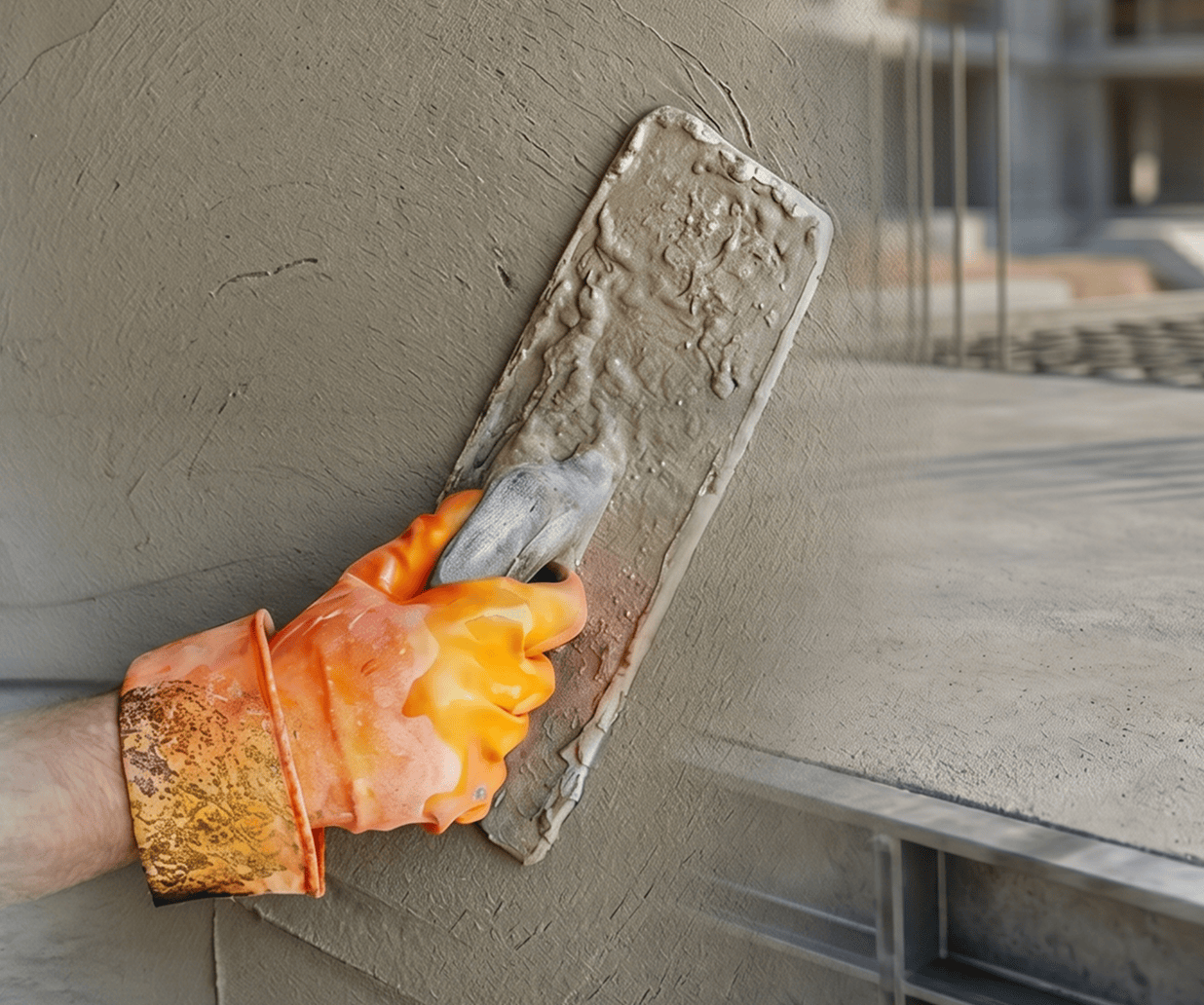
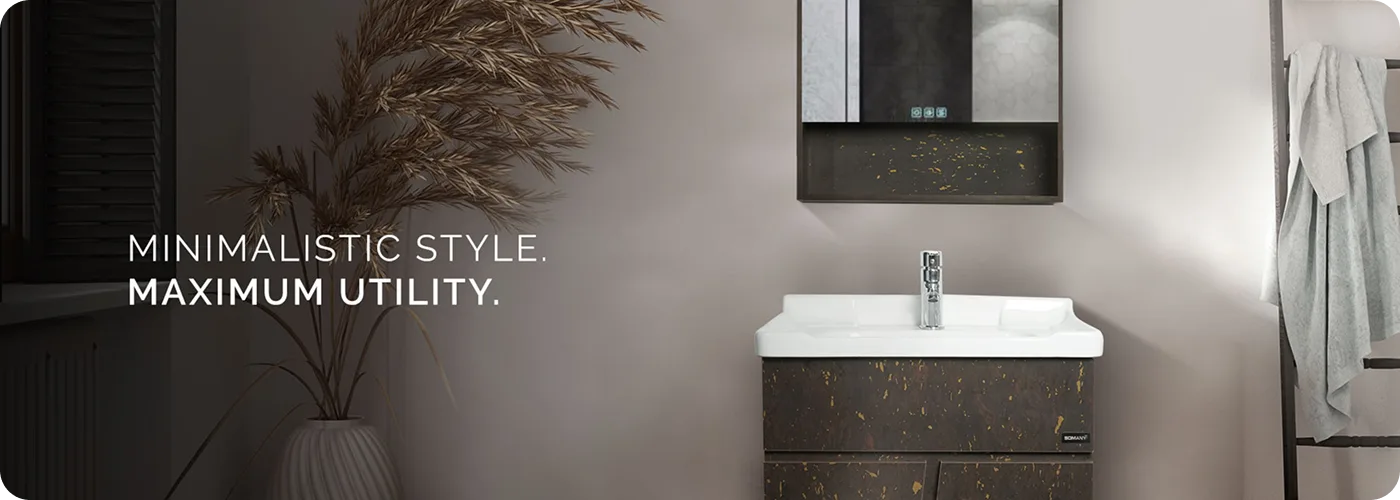
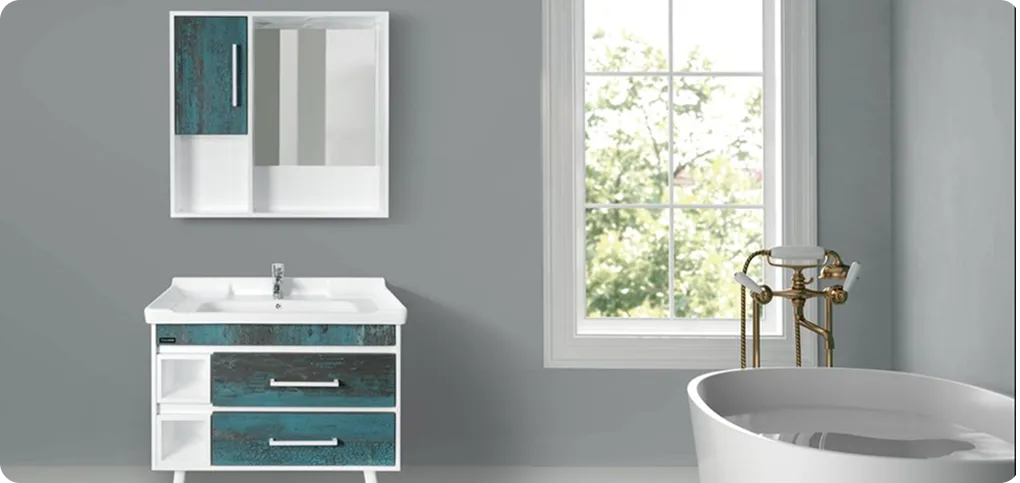
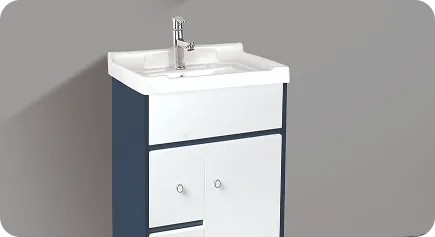
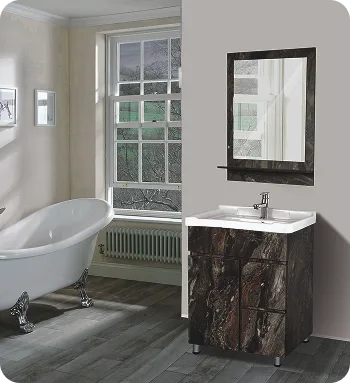
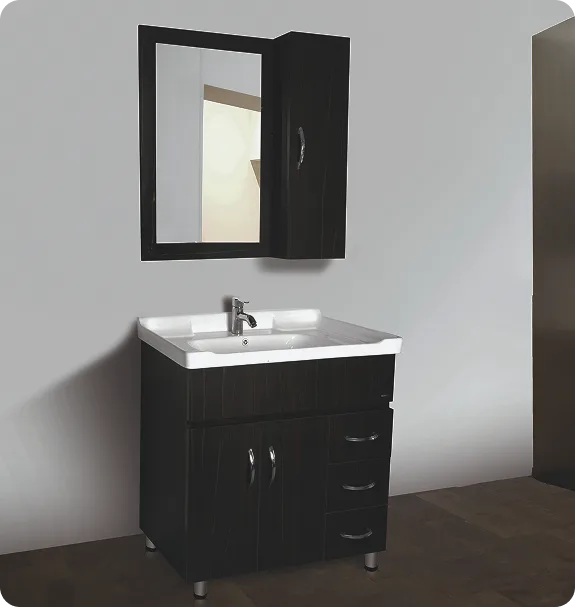

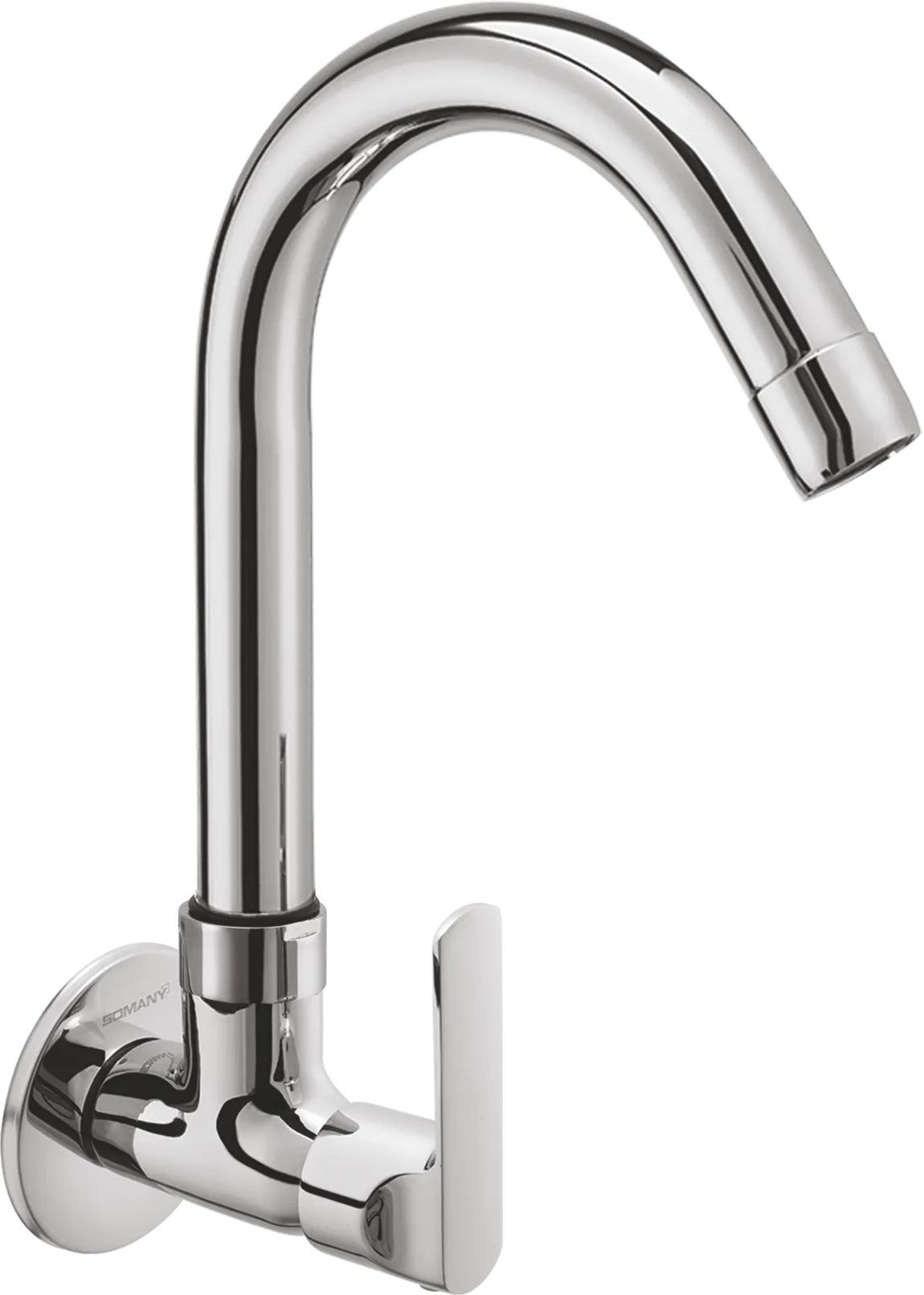
 Explore Now