Residential
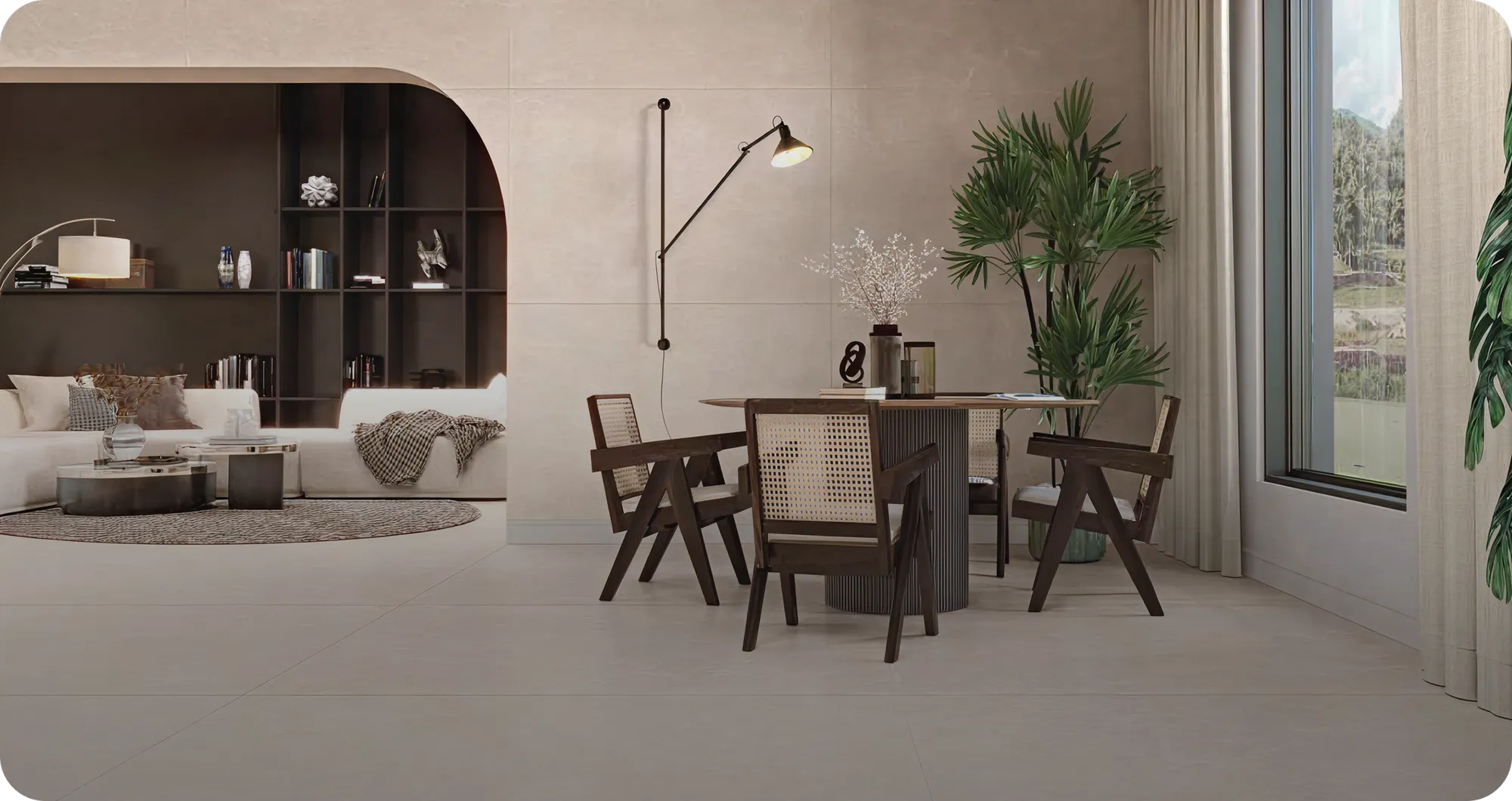
Clean lines and neutral tones for a serene and uncluttered living environment.
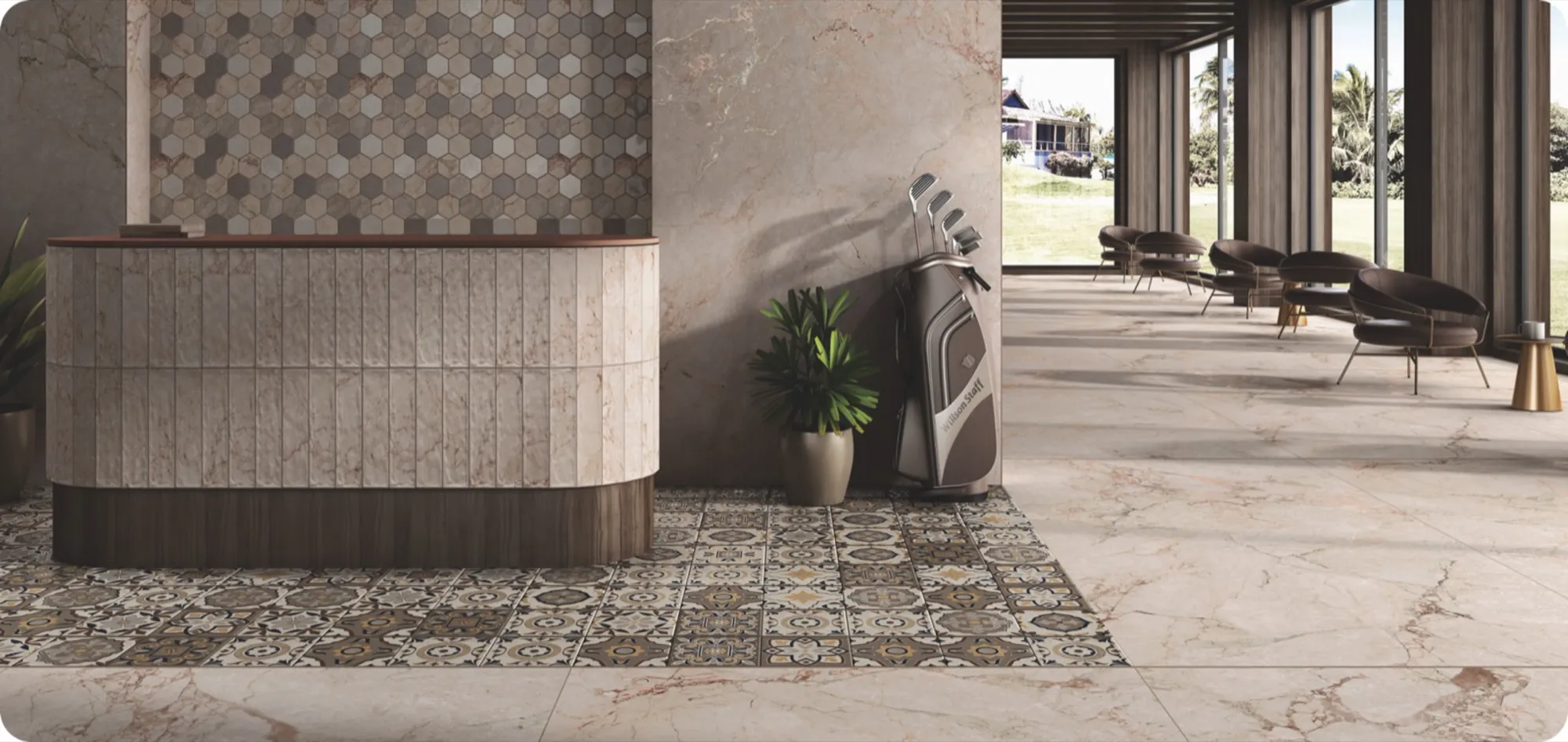
Solutions thoughtfully developed to meet the needs of different environments, balancing performance, durability, and design across every setting.

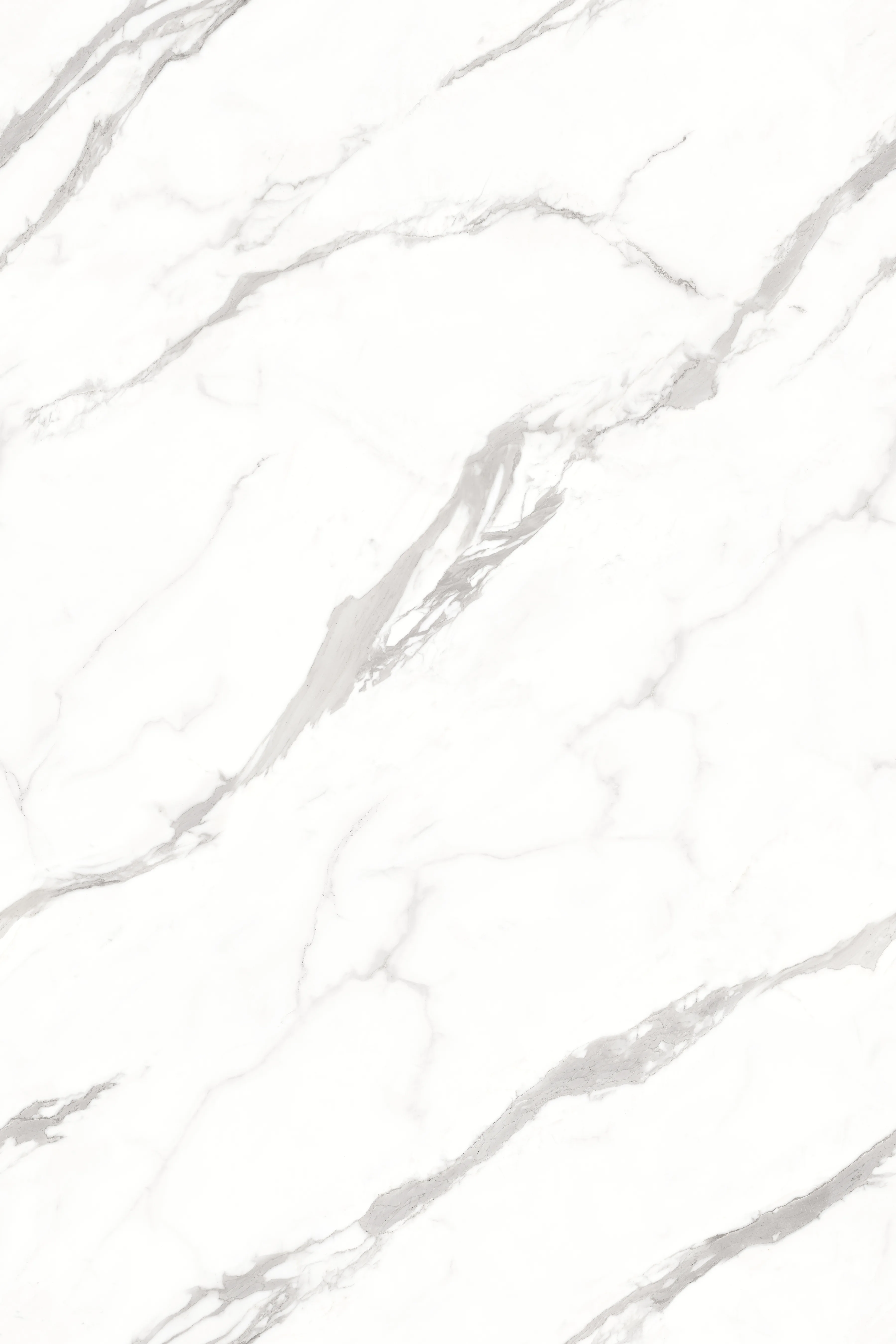


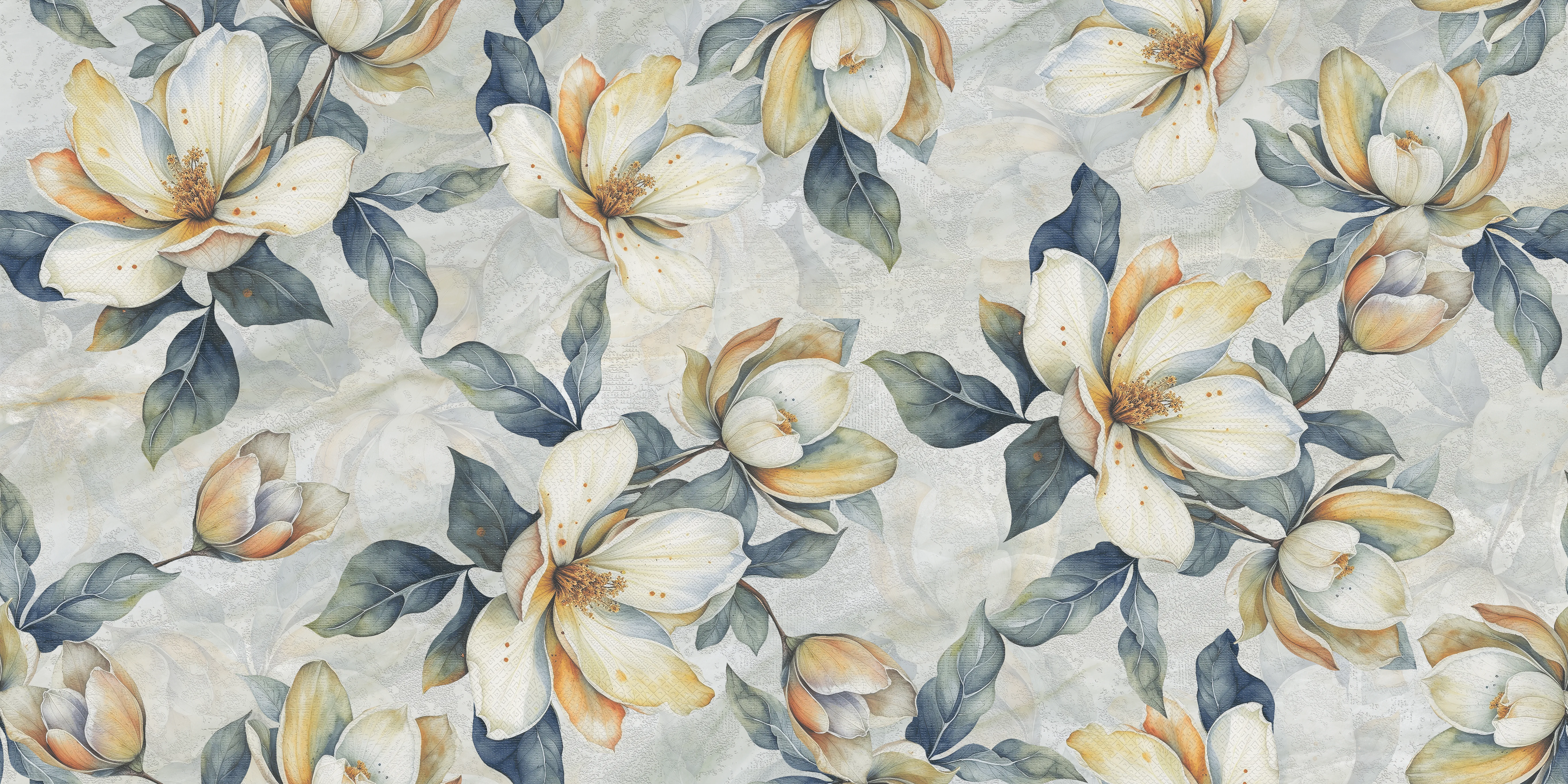
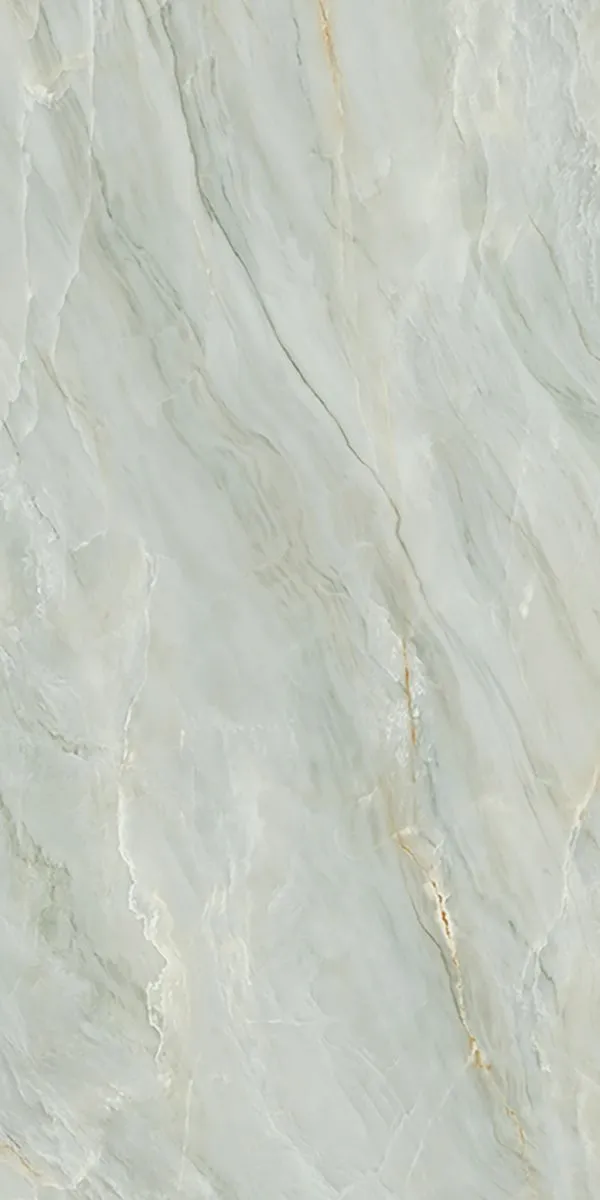
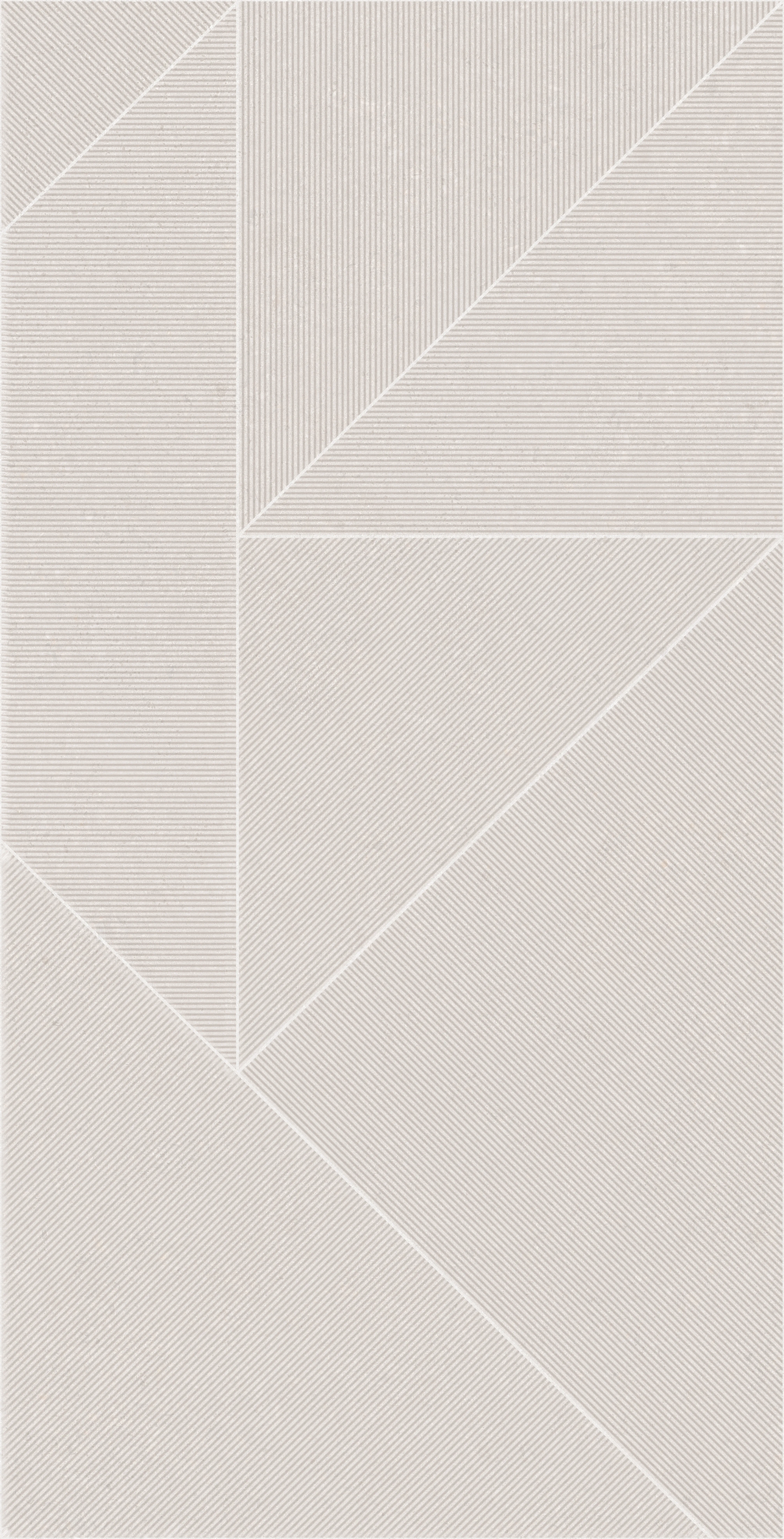
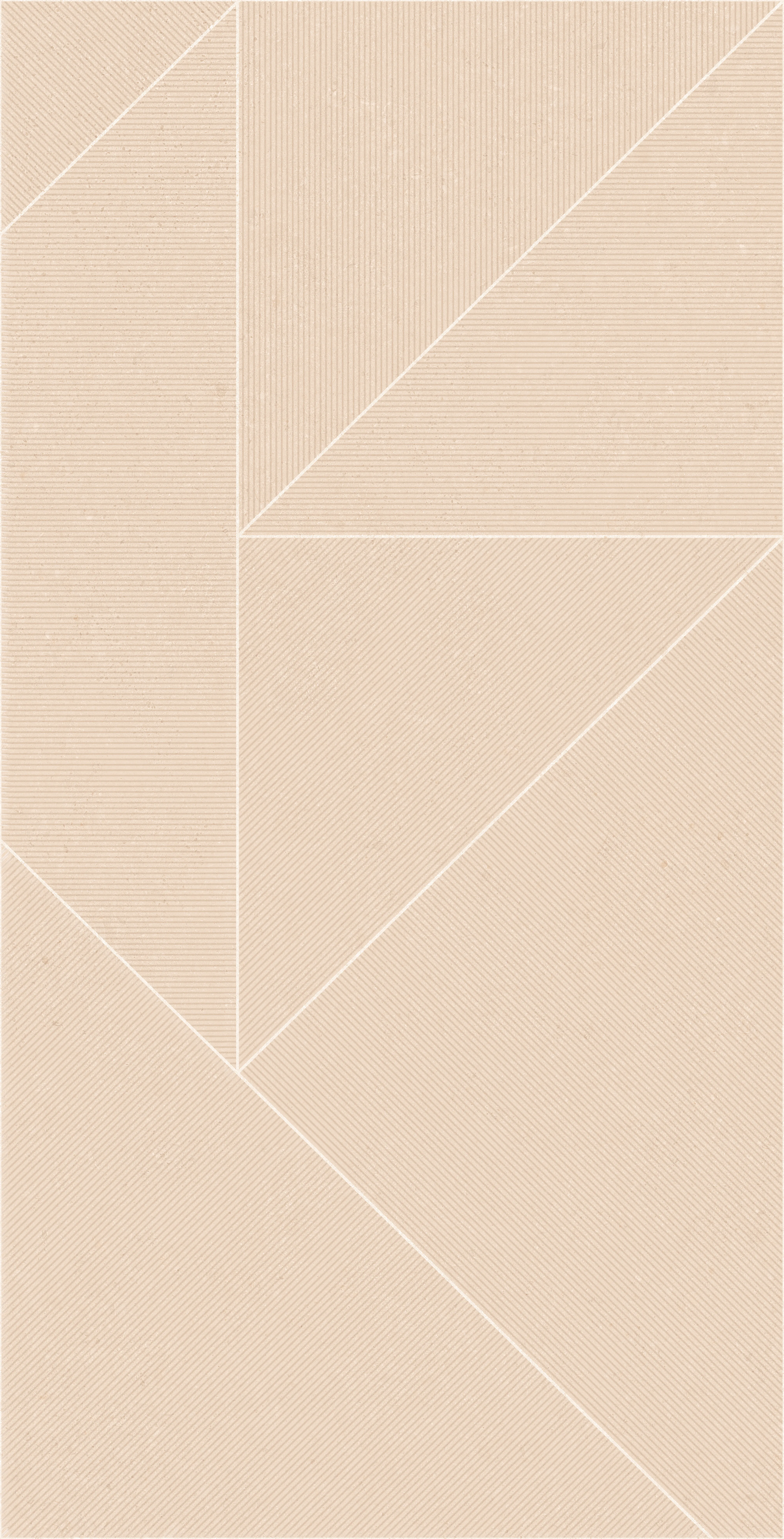
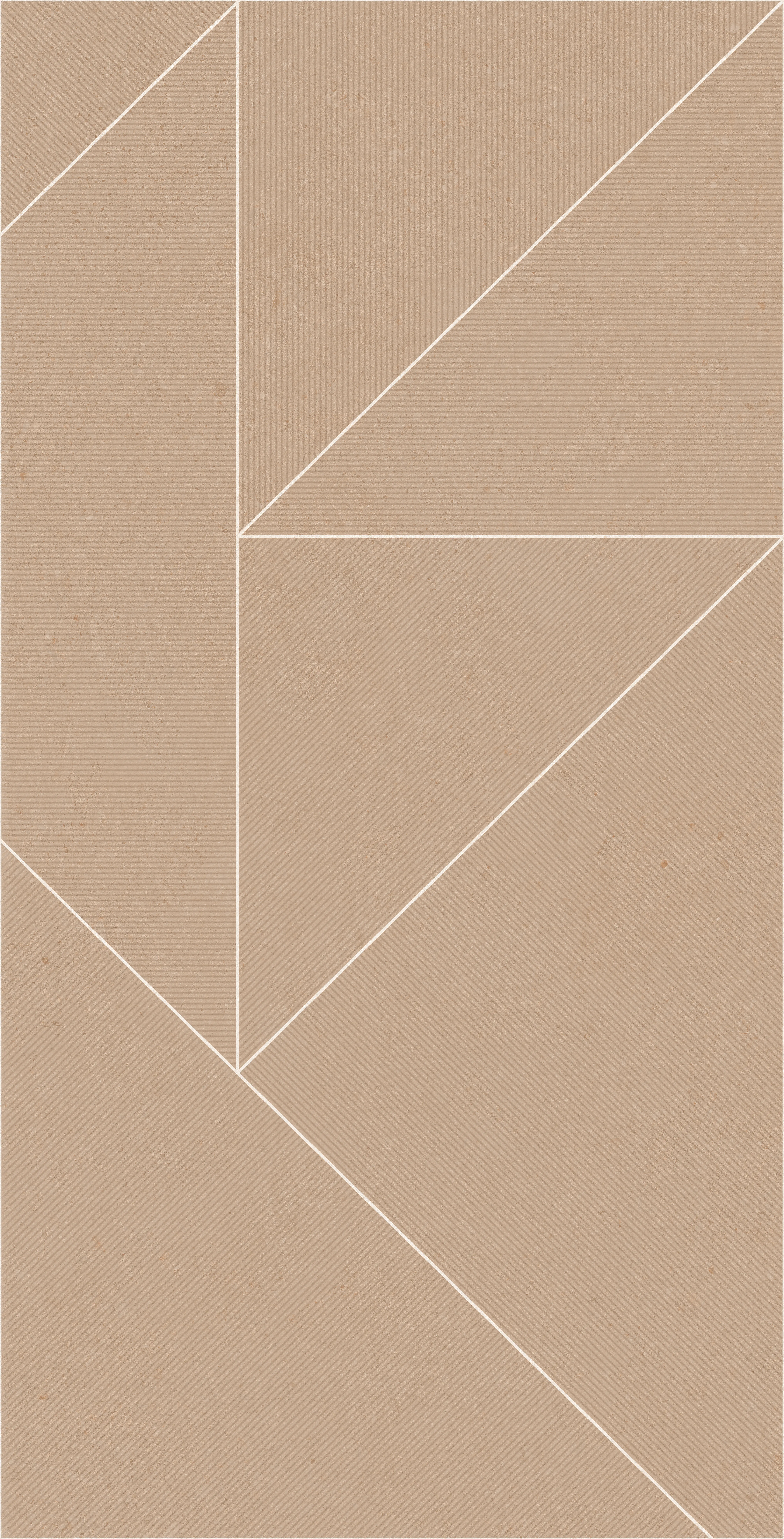
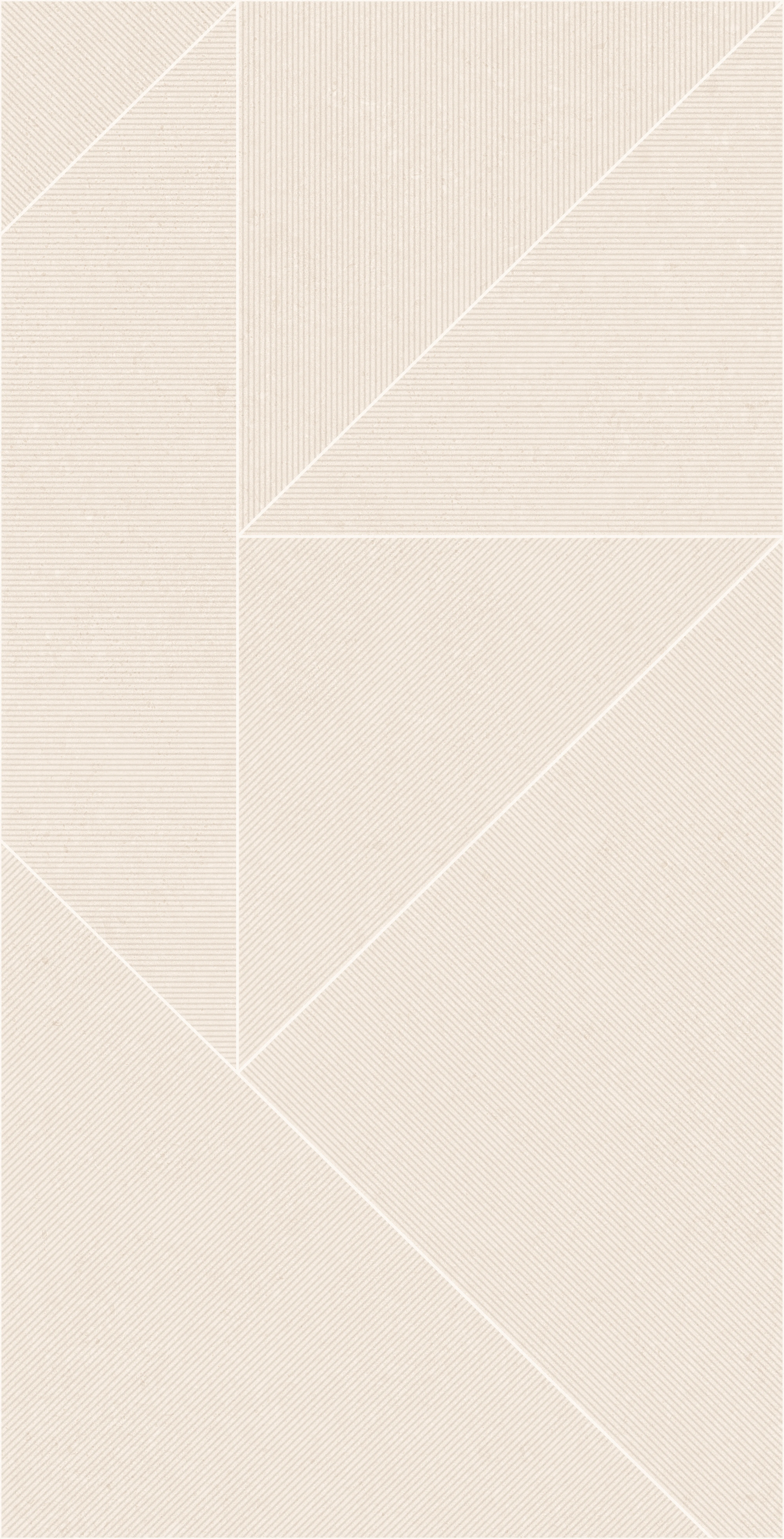
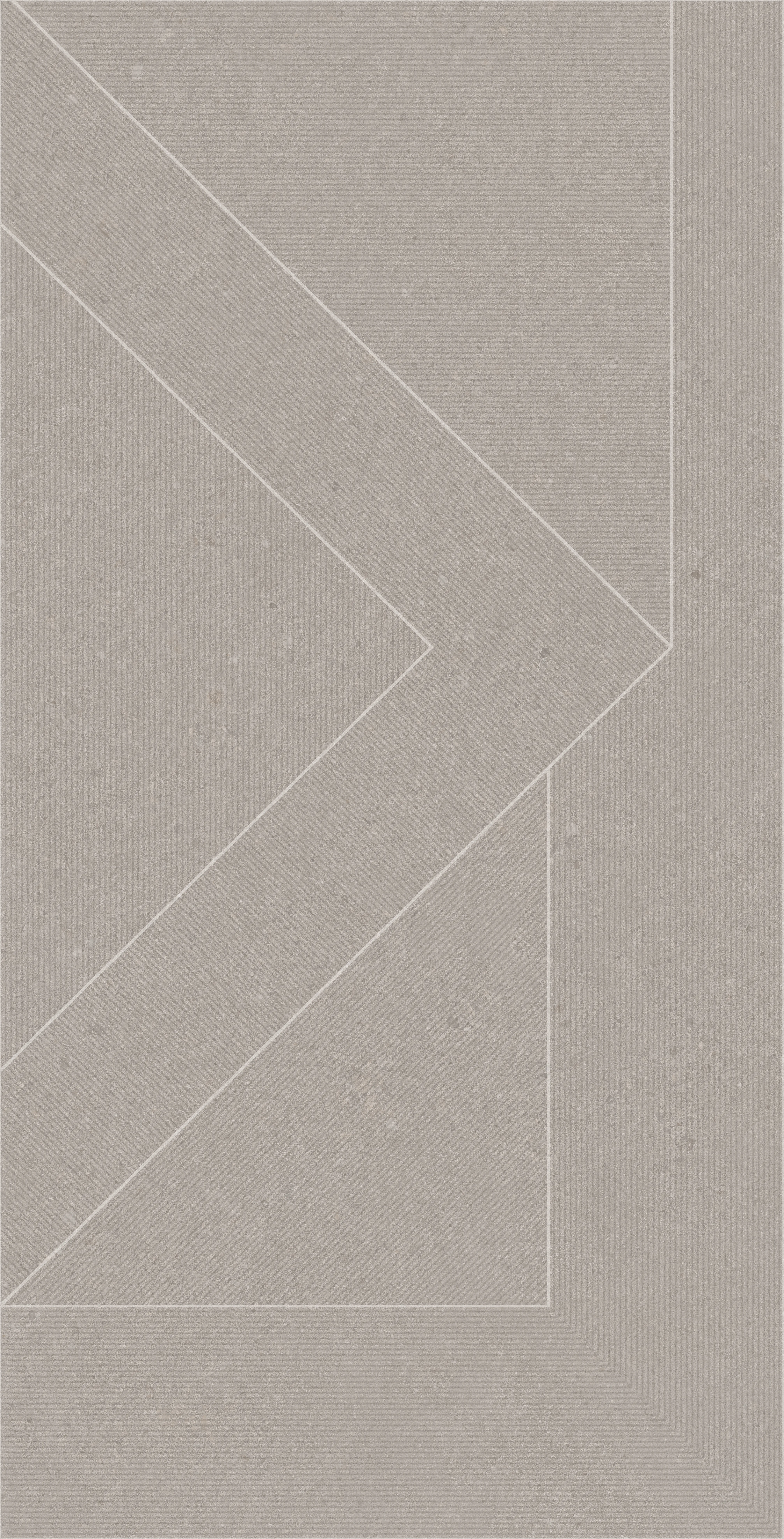












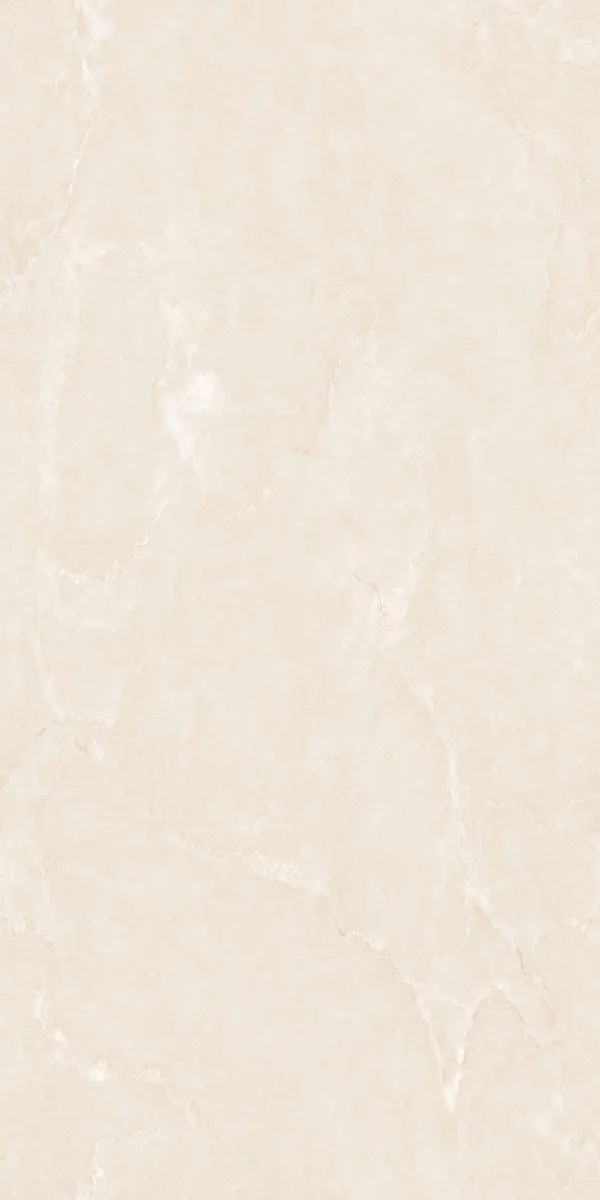
Vitrified tiles are made by a high-temperature vitrification process combining clay, silica and feldspar. This creates a dense, glass-like finish making the tiles very hard, durable and nearly impermeable to water.
A tile where the color and pattern go all the way through the body, meaning scratches or wear won't reveal a different color underneath.
Porcelain tiles are fired at higher temperatures and are denser and harder than ceramic tiles. They absorb <0.5% water (ASTM standard), whereas ceramic tiles absorb ~3–7%. Porcelain’s low porosity makes it more durable and water-resistant.
Ceramic tiles are made from clay and other natural materials, while vitrified tiles are made from a mixture of clay and other materials that are then fired at high temperatures to create a denser, more durable tile.
Some common types of vitrified tiles include full-body vitrified tiles, double-charged vitrified tiles, and digital vitrified tiles. To know more visit Somany Experience centre for better understanding of tiles there usage and application. We have close to 20 Experience centers across India.
Double charge and soluble salt tiles are both types of vitrified tiles, but they differ in the way they are manufactured and their visual characteristics. Double charge tiles are made by pressing two layers of different colors of raw materials together and firing them at high temperatures. The top layer is around 3-4 mm thick, which gives the tile a thicker and denser surface. This process creates a tile with a unique, multicolored pattern that is highly resistant to scratches and stains. Soluble salt tiles, on the other hand, are made by printing a design on the surface of the tile and then applying a soluble salt solution that seeps into the tile's pores. This process results in a tile with a single, uniform color and design, and a smooth surface. Soluble salt tiles are generally more affordable than double charge tiles, but they are not as durable and are more prone to wear and tear. In summary, the main differences between double charge and soluble salt tiles are the manufacturing process, the visual characteristics, and the level of durability. Double charge tiles have a unique, multicolored pattern and are highly durable, while soluble salt tiles have a uniform color and design and are more affordable but less durable. Somany offers Somany Ultra Charge and Soluble salt range which is best in the market in terms of design and quality.
Vitrified tiles are highly non-porous and are thus way more resistant towards stains than regular ceramic tiles. Ceramic tiles are generally available with coarse textures and surfaces, which makes them less slippery. Vitrified tiles have a smooth and glossy surface. Ceramic tiles are made from clay and other natural materials, while vitrified tiles are made from a mixture of clay and other materials that are then fired at high temperatures to create a denser, more durable tile.
Double charge and soluble salt tiles are both types of vitrified tiles, but they differ in manufacturing process, visual characteristics, and durability: Double Charge Tiles: Made by pressing two layers of raw materials together and firing at high temperatures. The top layer (3–4 mm) creates a thick, dense surface with unique multicolored patterns. Highly resistant to scratches and stains. Soluble Salt Tiles: Manufactured by printing a design on the surface and applying a soluble salt solution that seeps into the pores. Results in a uniform color/design with a smooth surface. More affordable but less durable and prone to wear. Summary: Double charge tiles are durable, scratch-resistant, and patterned, while soluble salt tiles are uniform, budget-friendly, but less durable. Somany offers Ultra Charge and Soluble Salt ranges, known for top quality and design.
Homogeneous Vitrified Tiles have a uniform color and texture throughout the tile, which makes them ideal for high-traffic areas like hospitals, schools, and public spaces. They are also highly durable and resistant to wear and tear. Somany Tech Homogenea is the best homogeneous range in the market available in various finishes, textures and sizes.
Yes, Homogeneous Vitrified Tiles can be used for residential applications, particularly in high-traffic areas like entryways, kitchens, and bathrooms.
Homogeneous Vitrified Tiles come in a range of colors and textures, including solid colors, speckled patterns, and textured finishes.
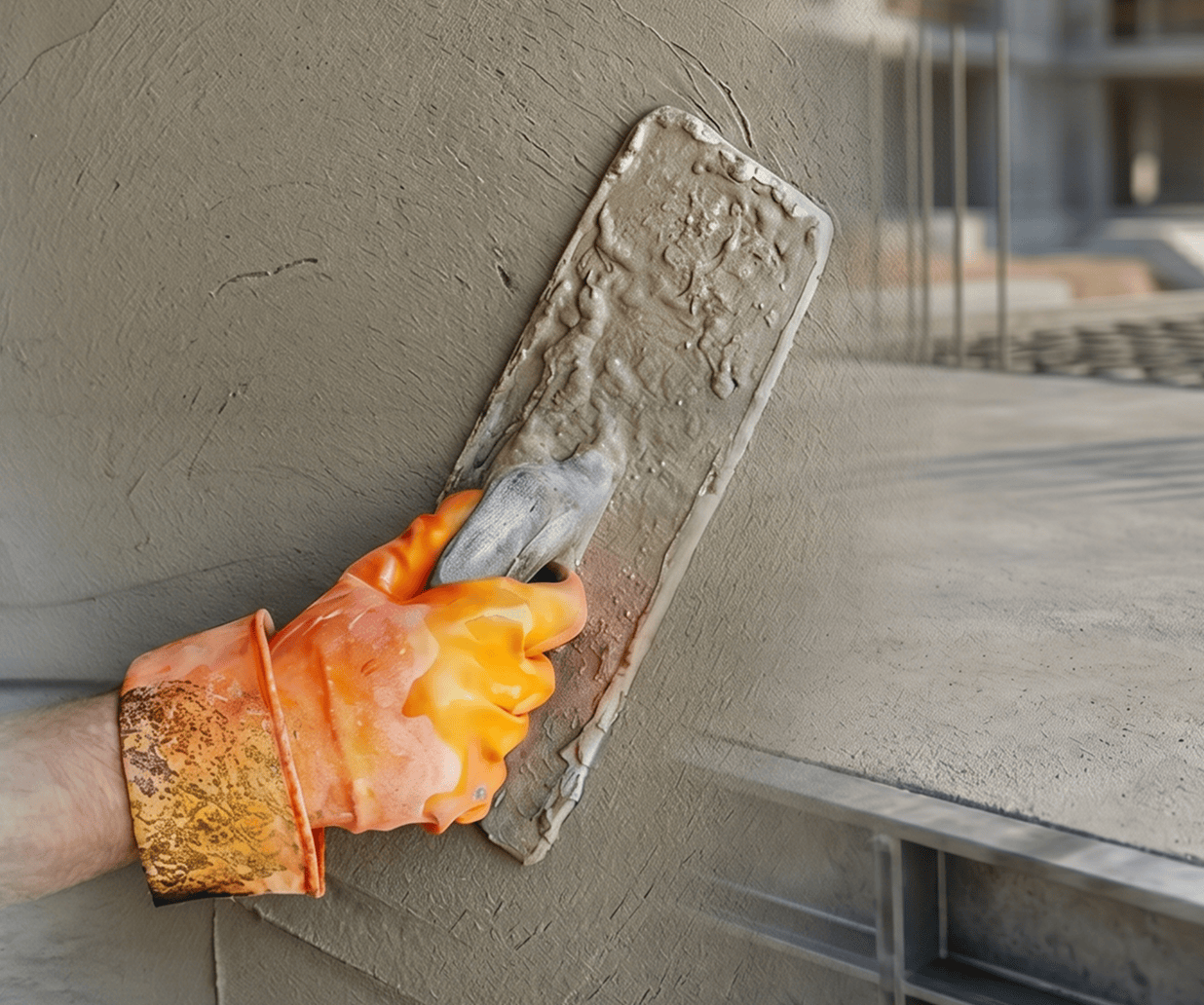
No, you must use a "Notched Trowel" to create air channels, and "Back-Buttering" is mandatory to ensure 100% coverage behind the slab.
LFT reduces vertical and horizontal grout lines, creating a luxurious, seamless appearance that mimics the look of high-end natural stone slabs.
Large format tiles can be a good choice for small kitchens as they have fewer grout lines, which can create a seamless look and make the space appear larger. However, it's important to ensure the scale of the tiles is appropriate for the size of the kitchen to maintain aesthetic balance.
Big tiles can work well in a small bathroom as they have fewer grout lines, creating a seamless appearance that can visually expand the space. However, the layout and tile size should be carefully considered to ensure a proportional look.
Large format Glazed Vitrified Tiles have a uniform surface that makes them ideal for creating seamless flooring designs. They also come in a variety of colors and designs, which makes them a popular choice for modern homes and commercial spaces. Somany offers Somany Max and Somany Tech homogenea that comes with wide range of Large format tiles in 800 x 2400 mm, 1200 x 1200 mm, 1200 x 1800 mm, 1200 x 2400 mm
Large format Glazed Vitrified Tiles are commonly used in living rooms, dining rooms, and other common areas in homes, as well as in commercial spaces like hotels, malls, and airports.
Yes, large format Glazed Vitrified Tiles can be used for outdoor applications, as long as they are installed using a suitable adhesive and grout that can withstand exposure to water and weather. We recommend Somany EZY Fix SEF 777 & SEF 888
This information is also provided in the installation film, available on the Somany website: Installation Film – Laying Instructions
Our commitment to quality is recognized worldwide. These awards and certifications reflect our unwavering standards and assure you of a truly world-class product.






 Explore Now