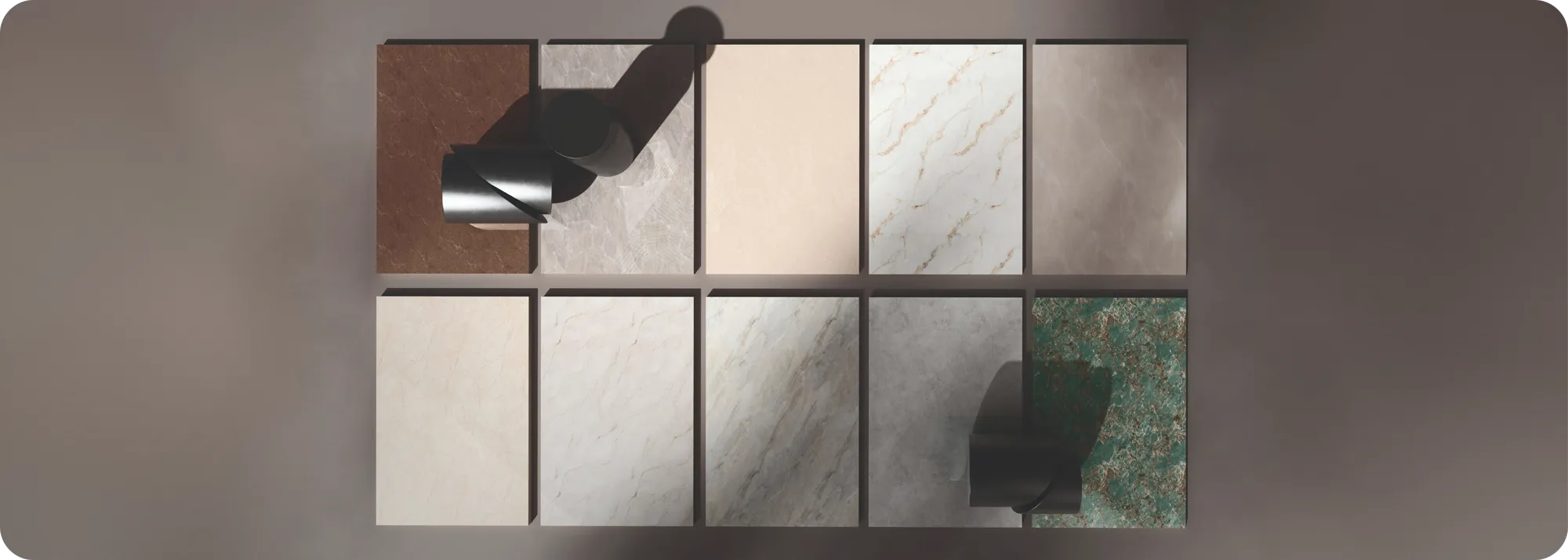
LITH GRIS 30
LITH GRIS 30
Buy tiles online at best price — 5000+ designs in vitrified, ceramic, GVT & porcelain. Floor tiles, wall tiles, bathroom & kitchen tiles. Free design consultation.
LITH GRIS 30
LITH WHITE 30
NEBULA CREMA 30
STELLA BERLY 30
STELLA BRICK RED 30
STELLA COCOA 30
STELLA CREMA 30
STELLA OCEAN 30
ALASKA NATURAL 26 QUILL V2
ALASKA NATURAL 26 V2
ARGOS NERO 26 CARVO V1
ARGOS WHITE 26 CARVO V1
ATHENA GREY 26 SHAPE V2
BRECCIA SARDA 26 SHAPE V1
BRECCIA SARDA 26 V2
CALACATTA BORGHINI 26 A V1
CALACATTA BORGHINI 26 B V1
CARARA WHITE 26 QUILL V2
CARARA WHITE 26 V2
CARARA WHITE RIGA 26 SHAPE V2
CRYSTALO BLACK 26 CARVO V1
CRYSTALO WHITE 26 CARVO V1
FENNEL BEIGE 26 SHAPE V2
GALAXY AZUL 26 V2
Making your choices easy, and your selections natural
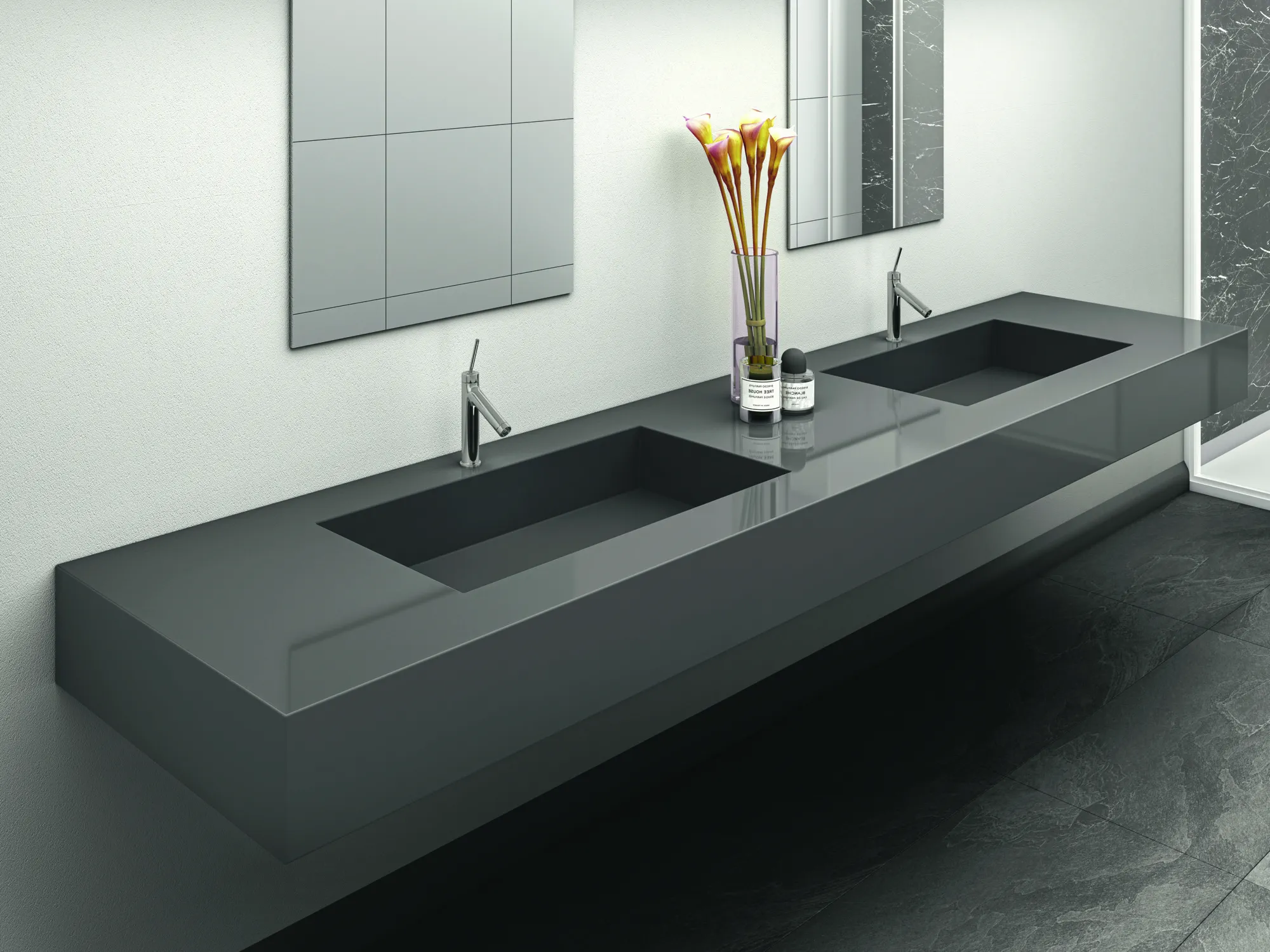
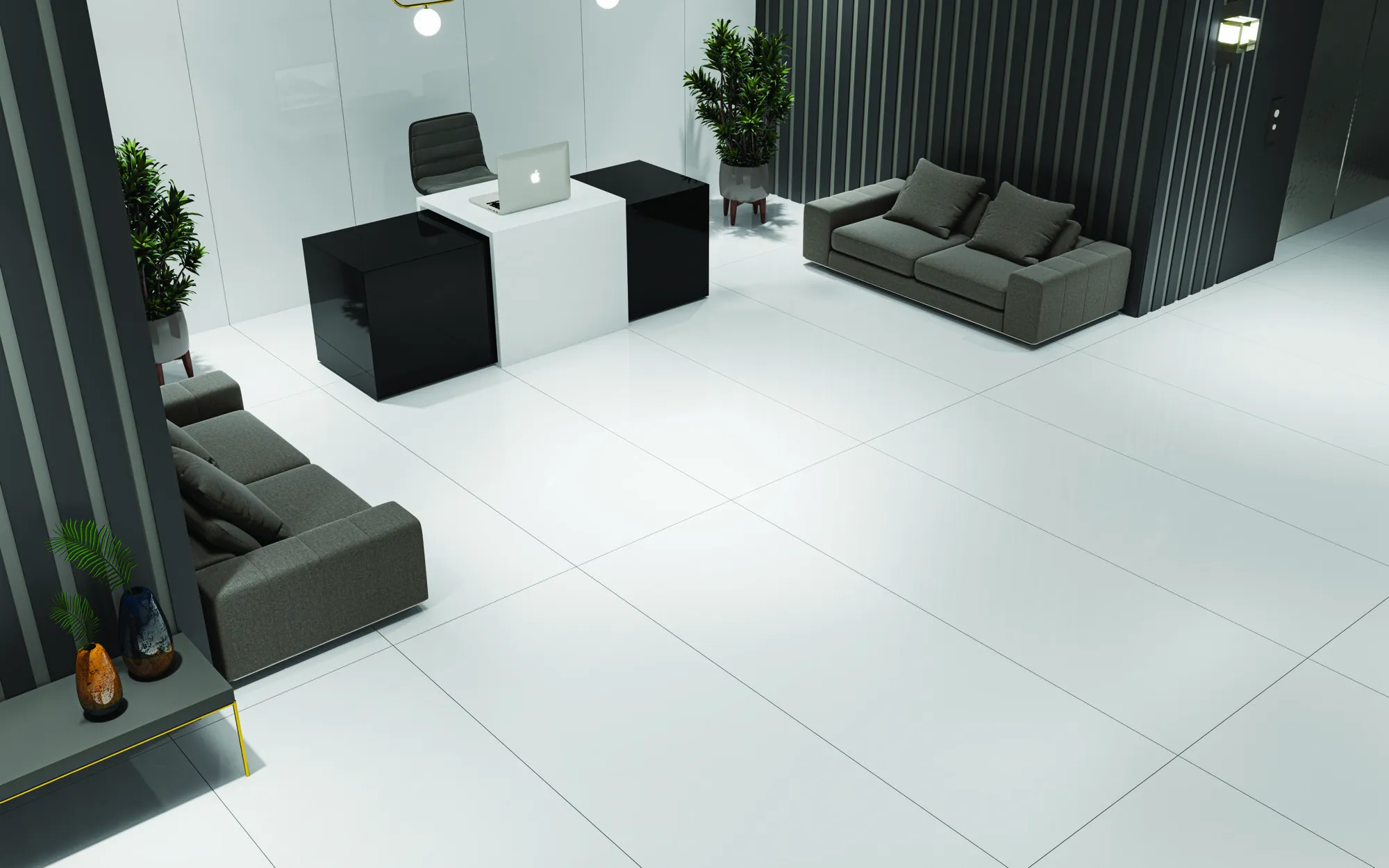
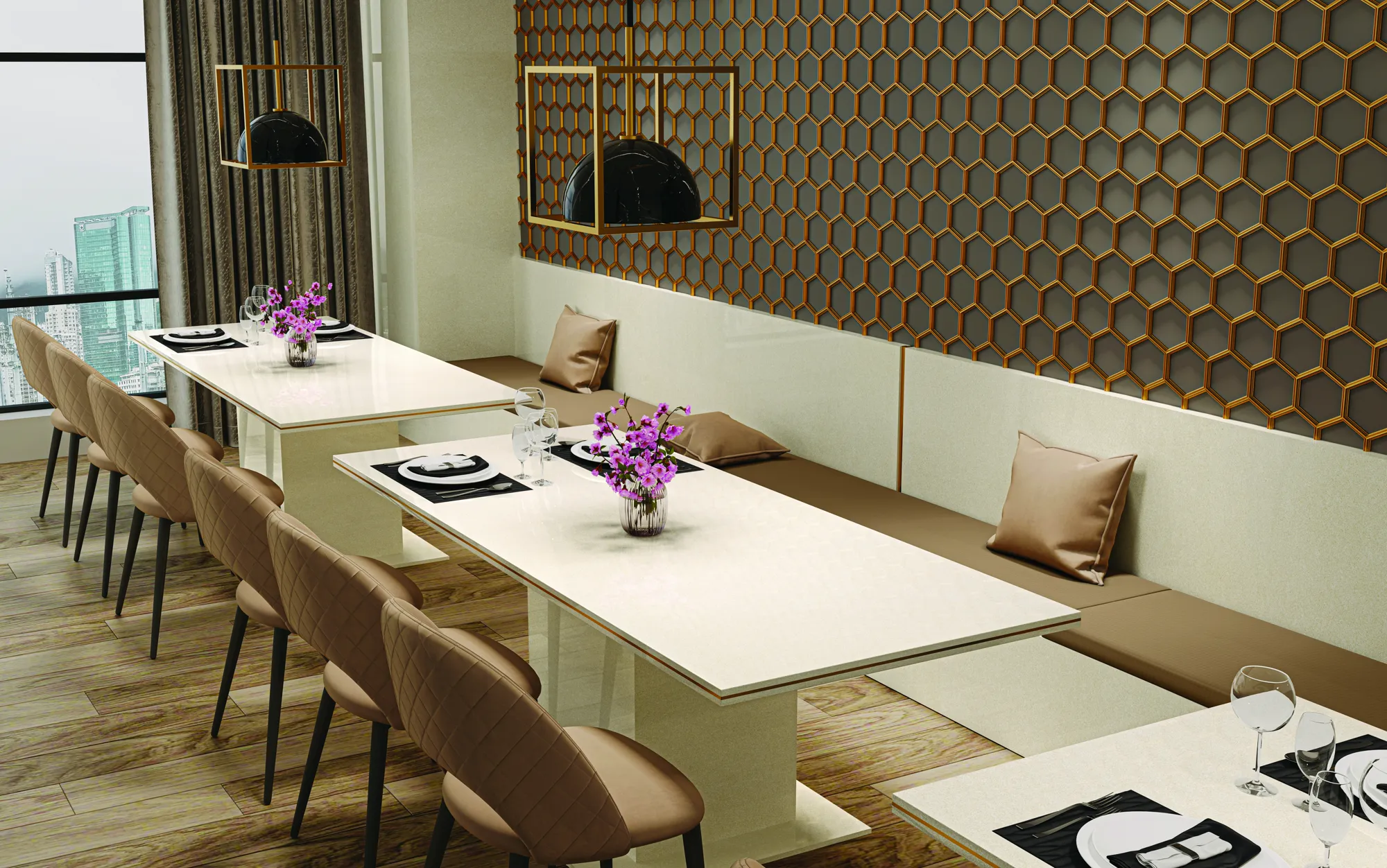
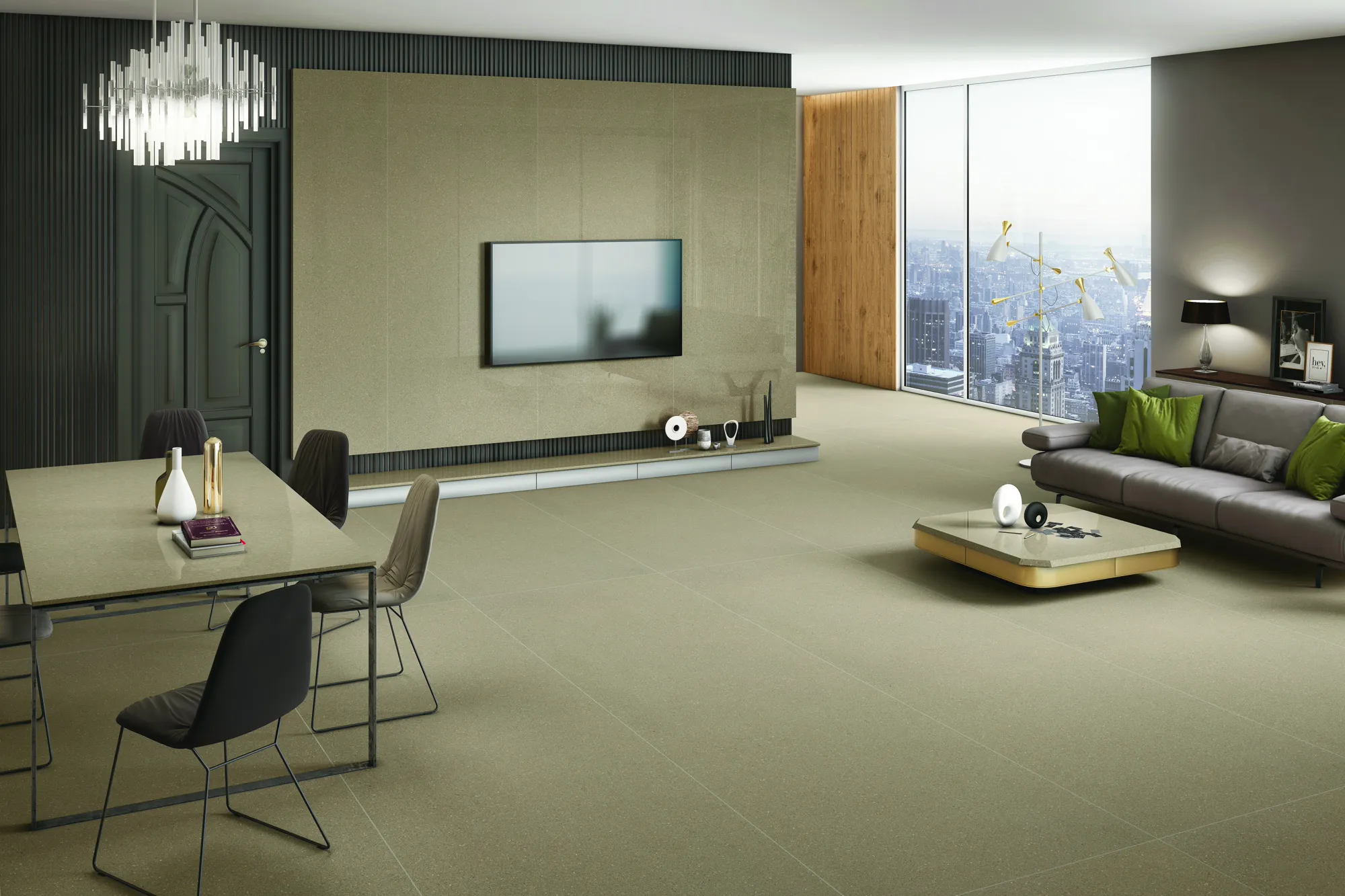
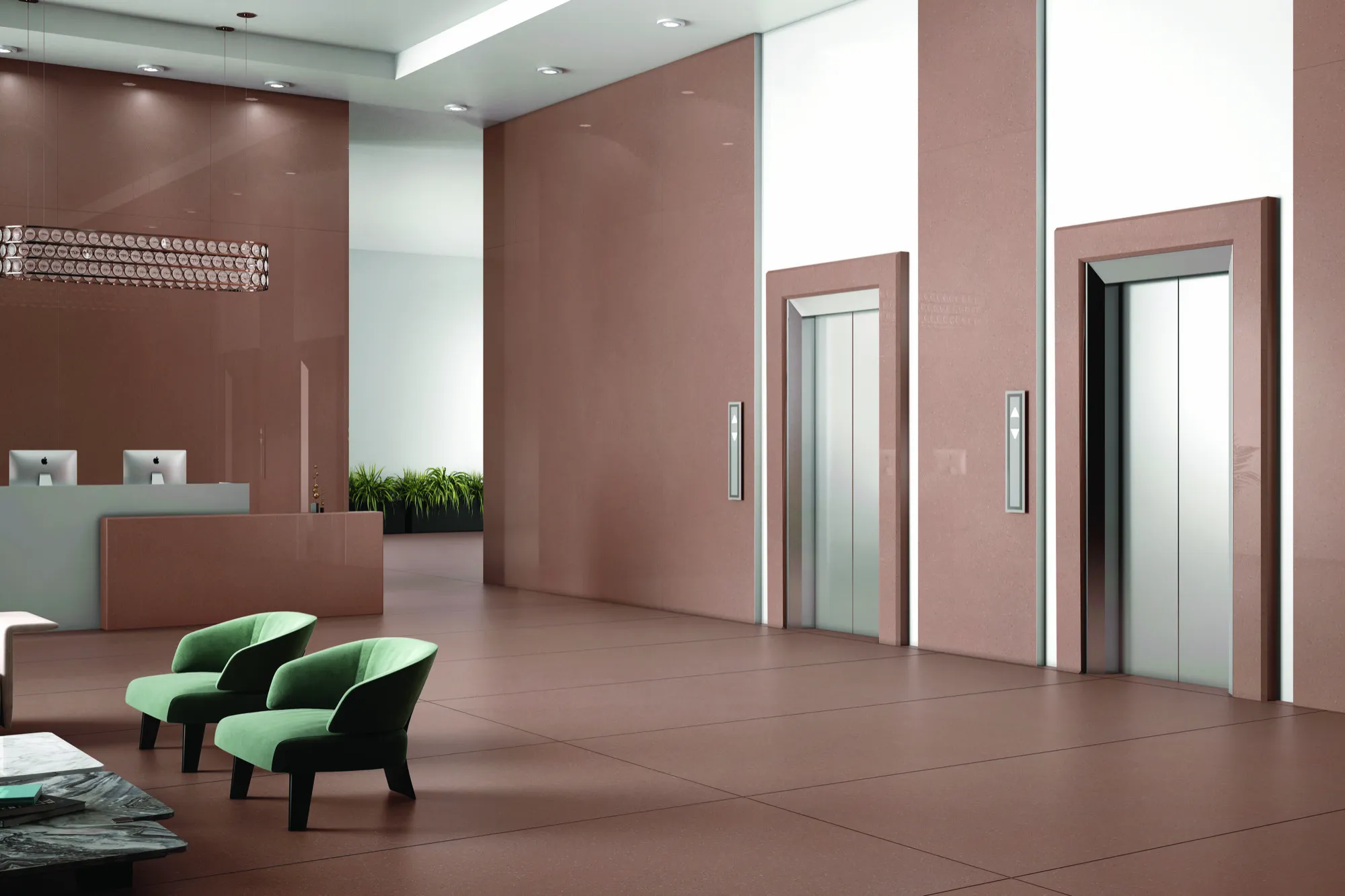
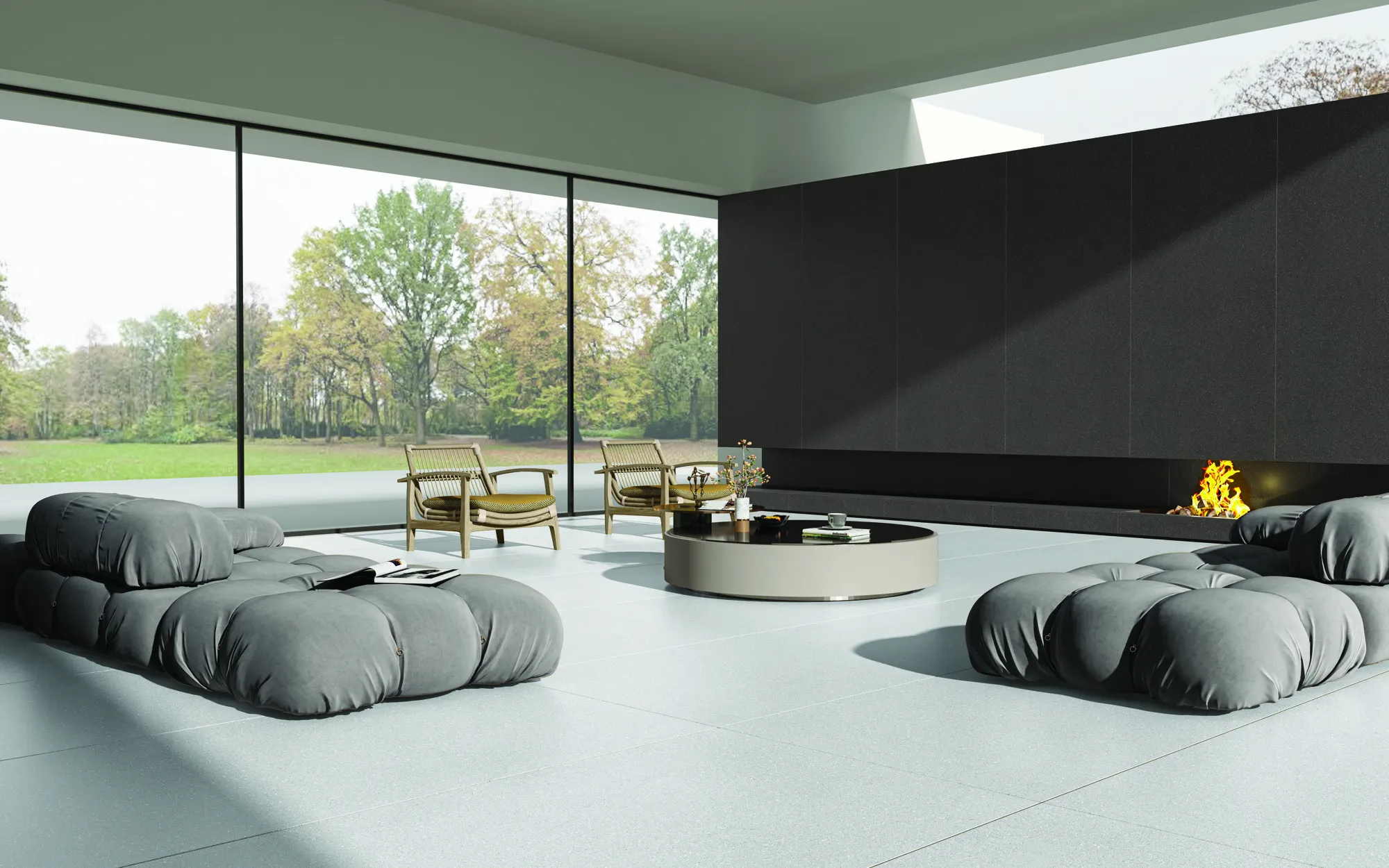
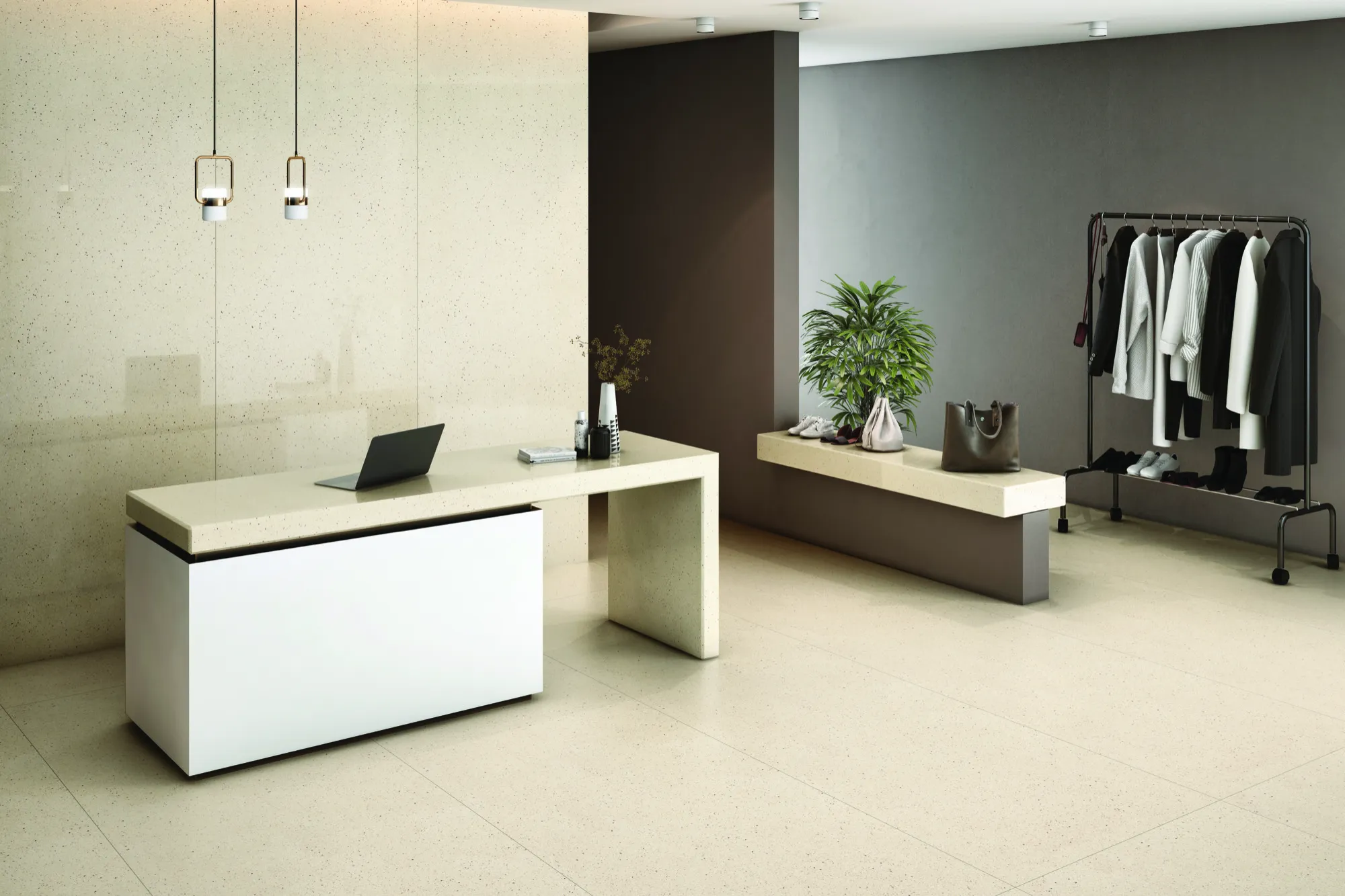
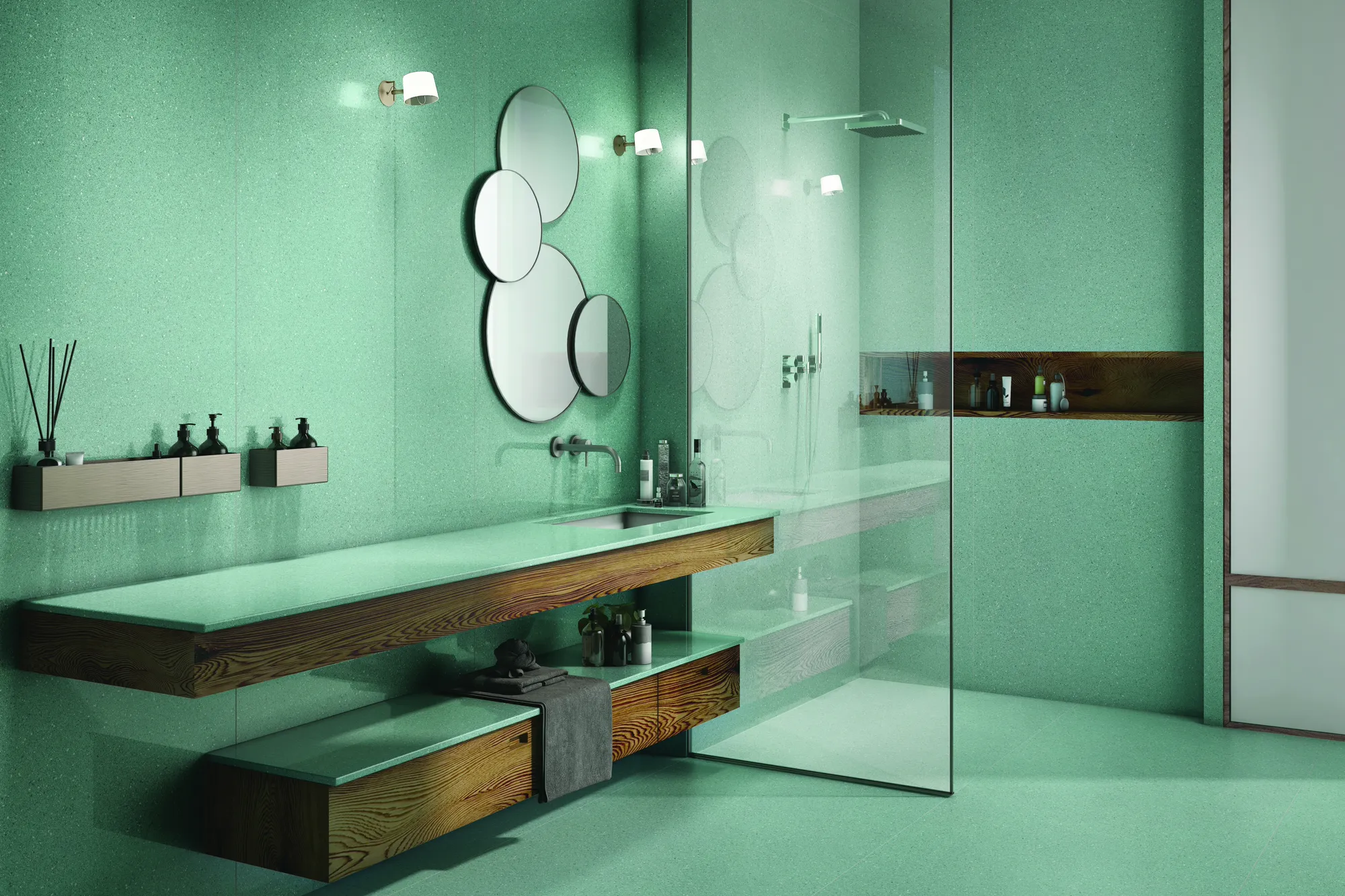
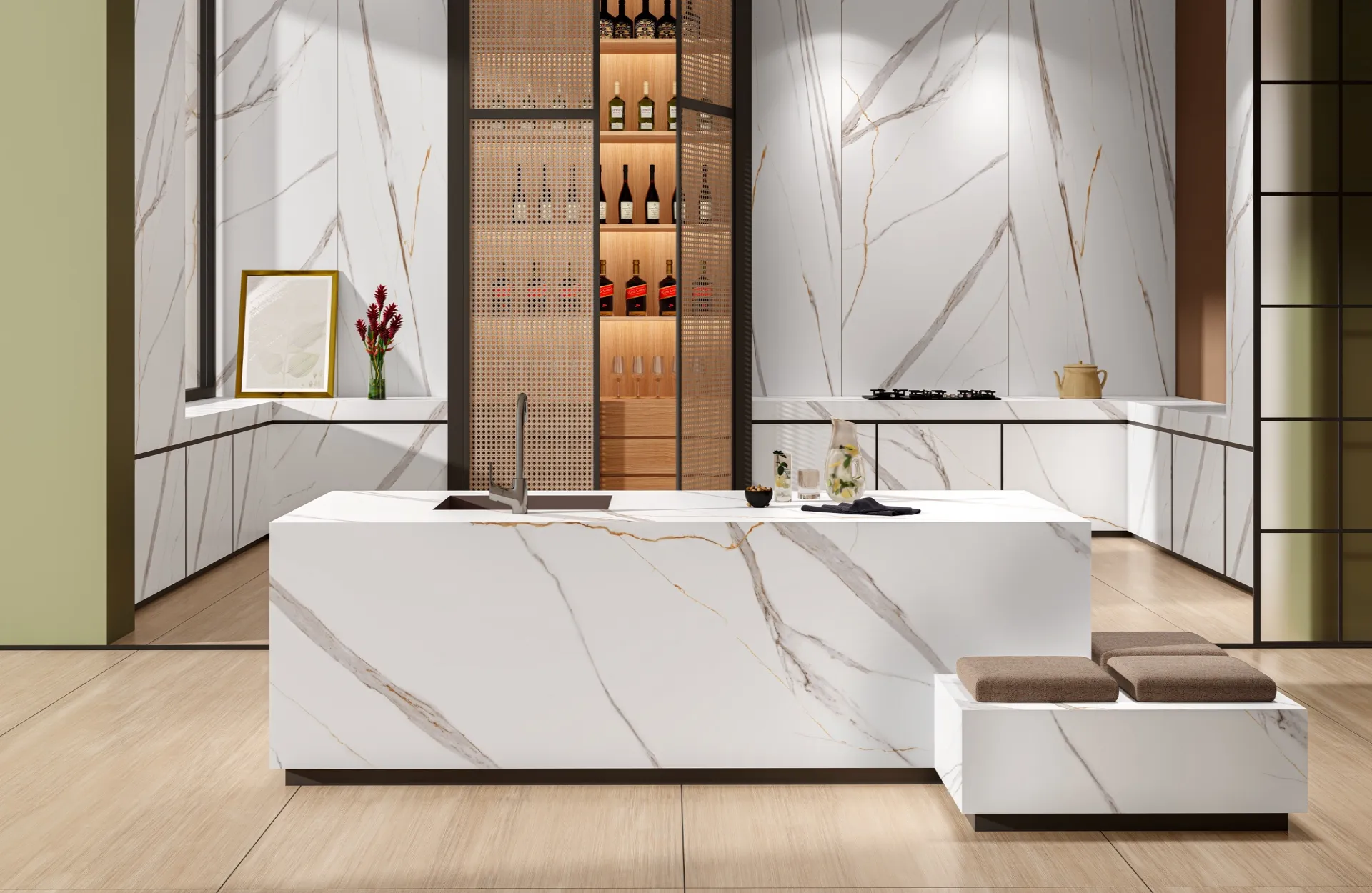
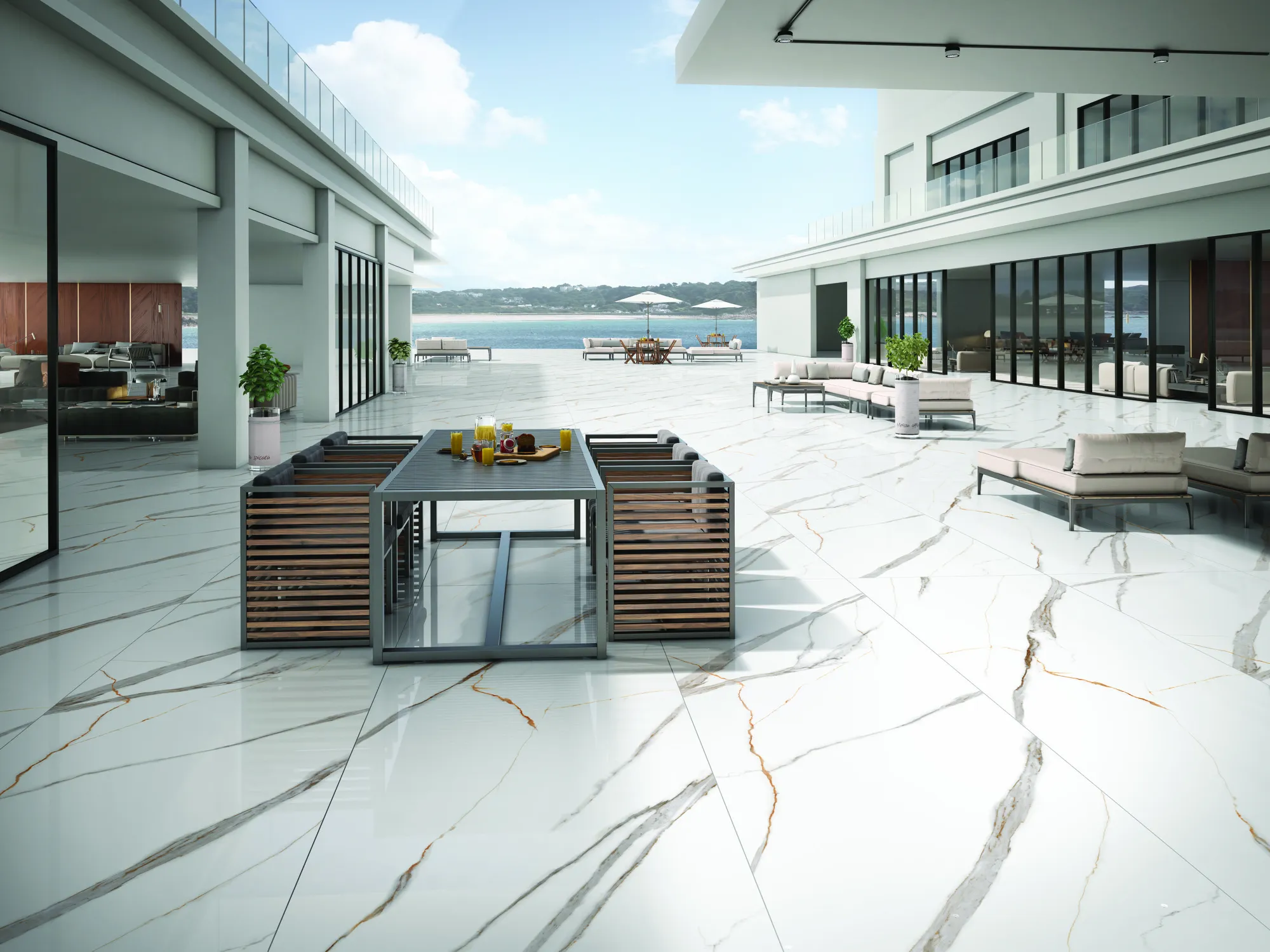
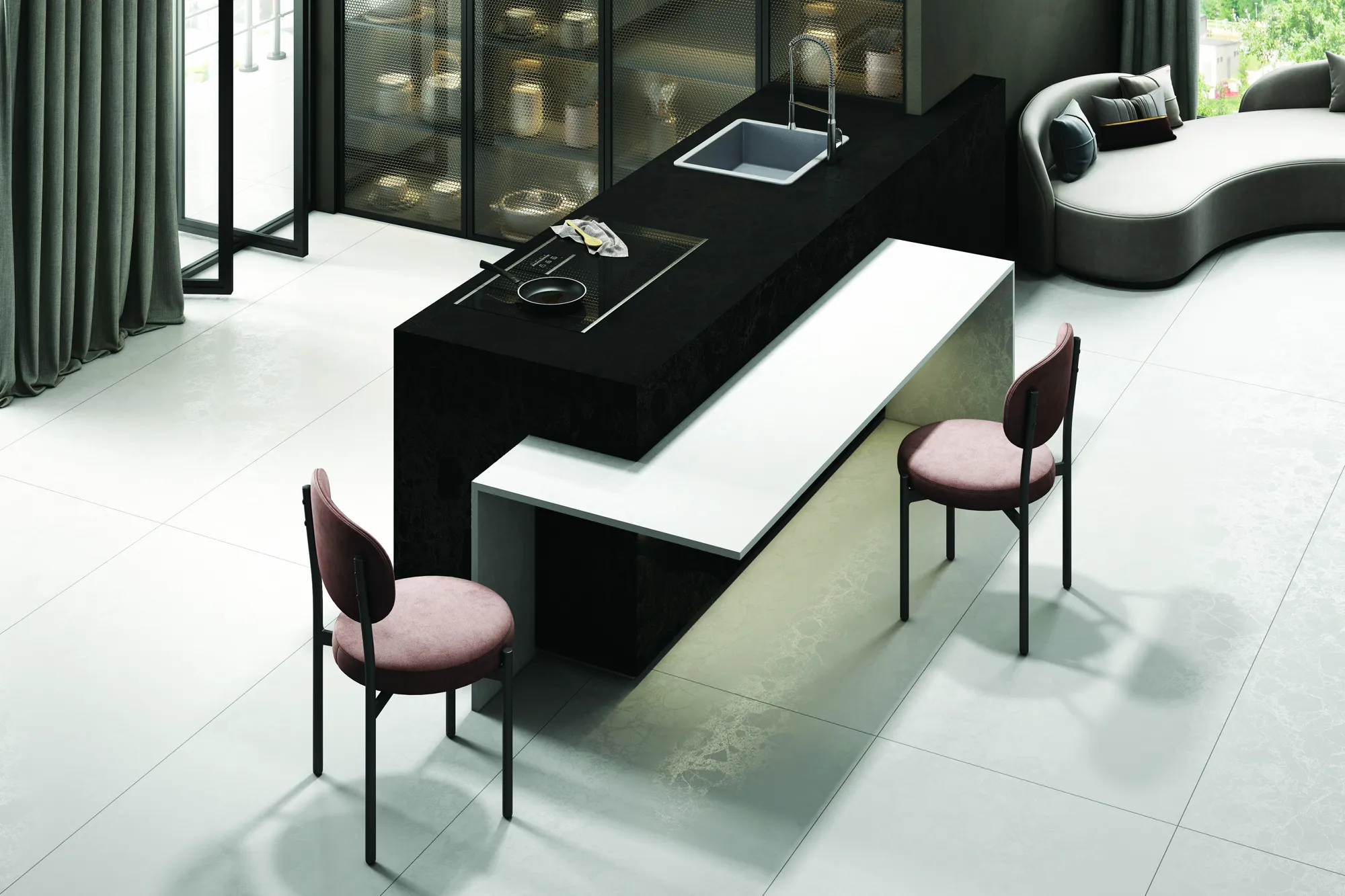
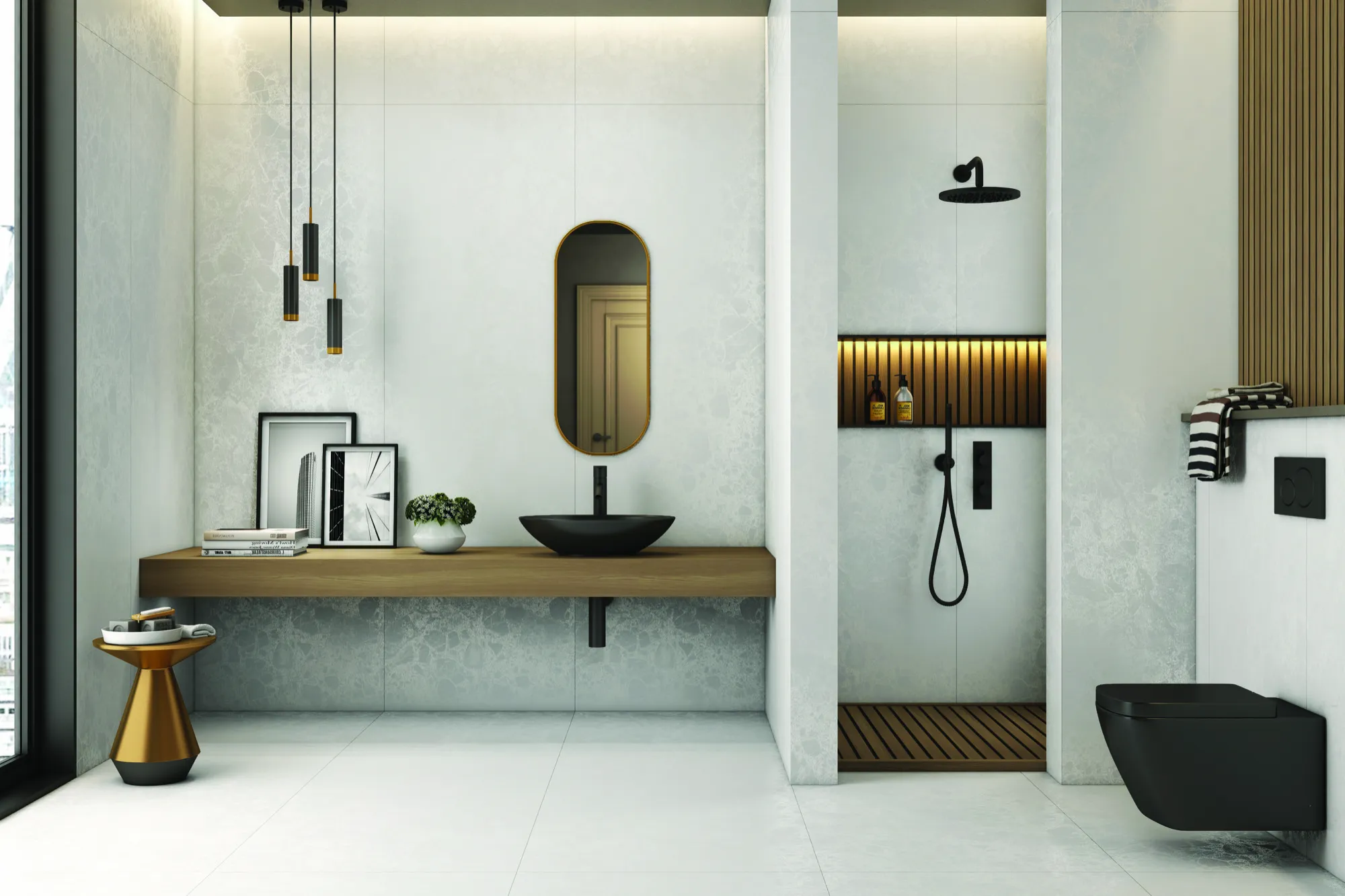
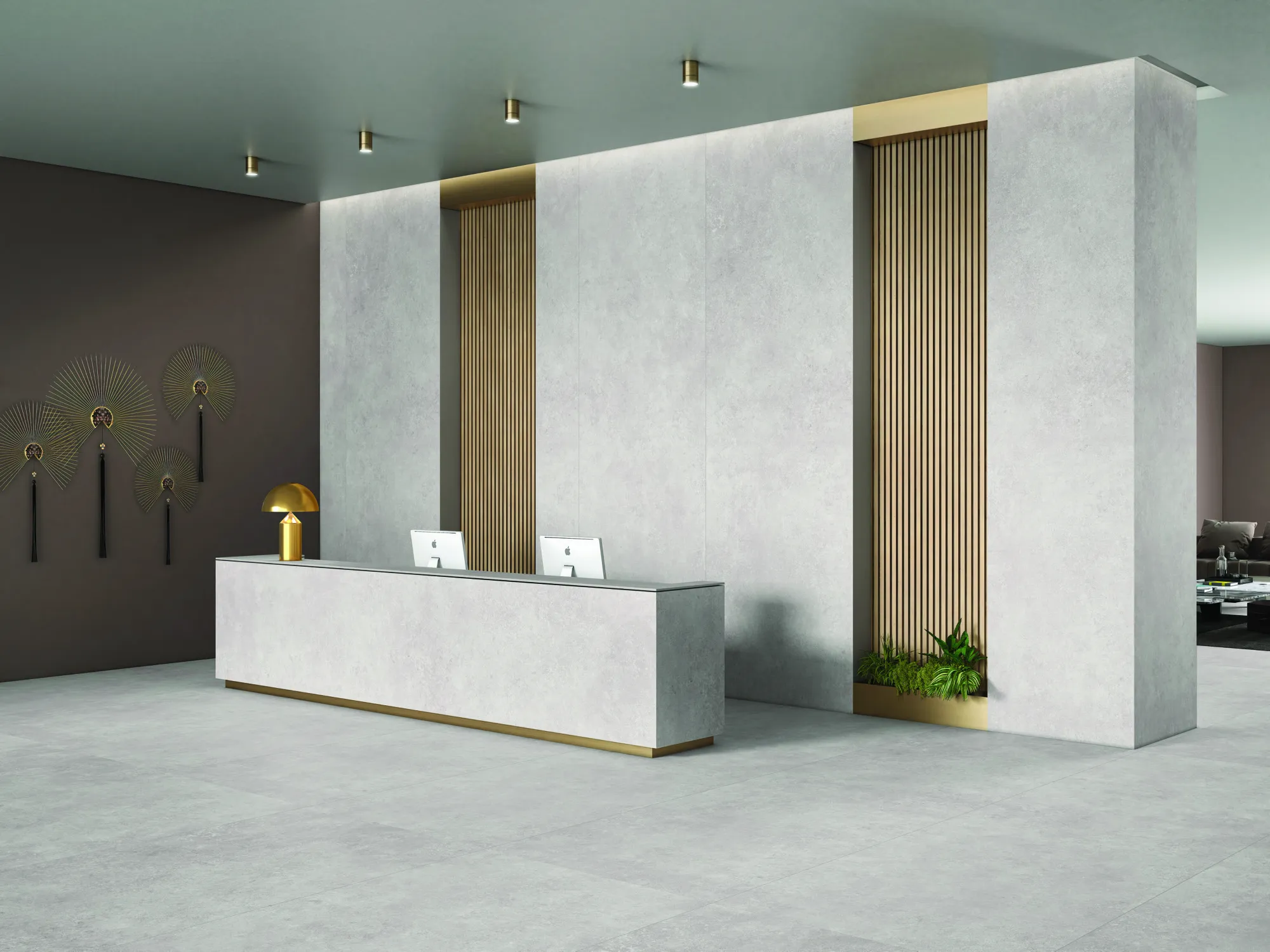
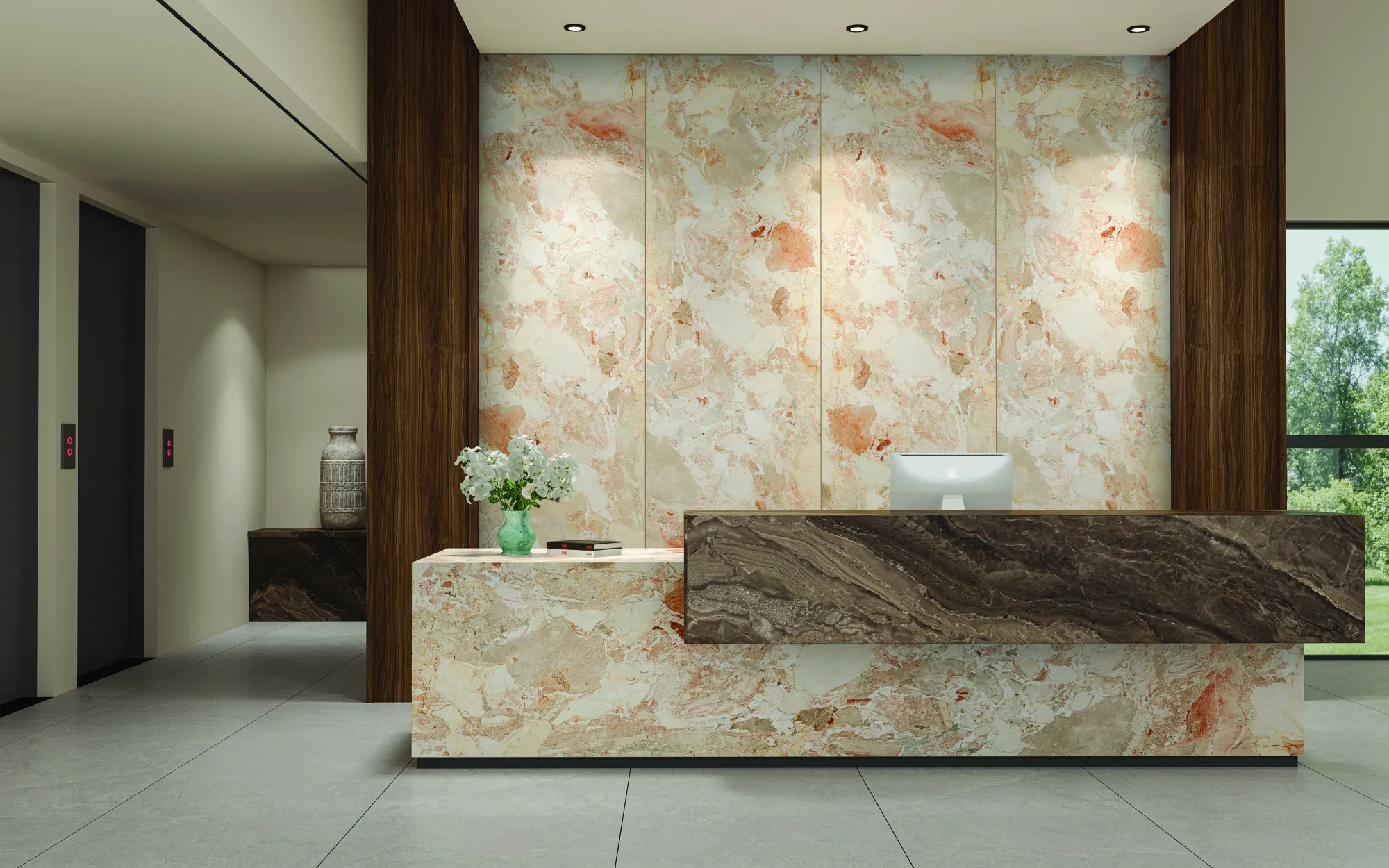
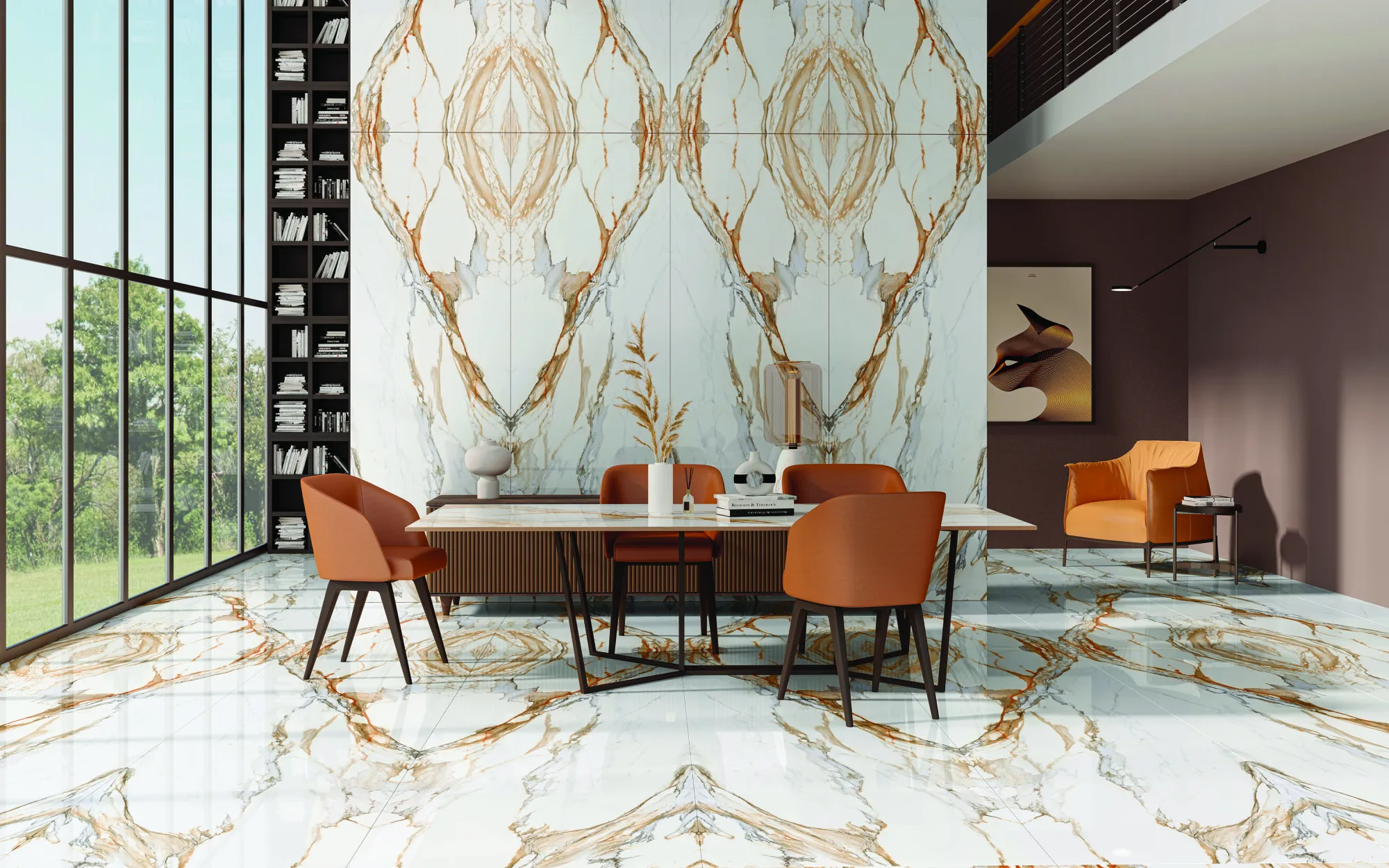
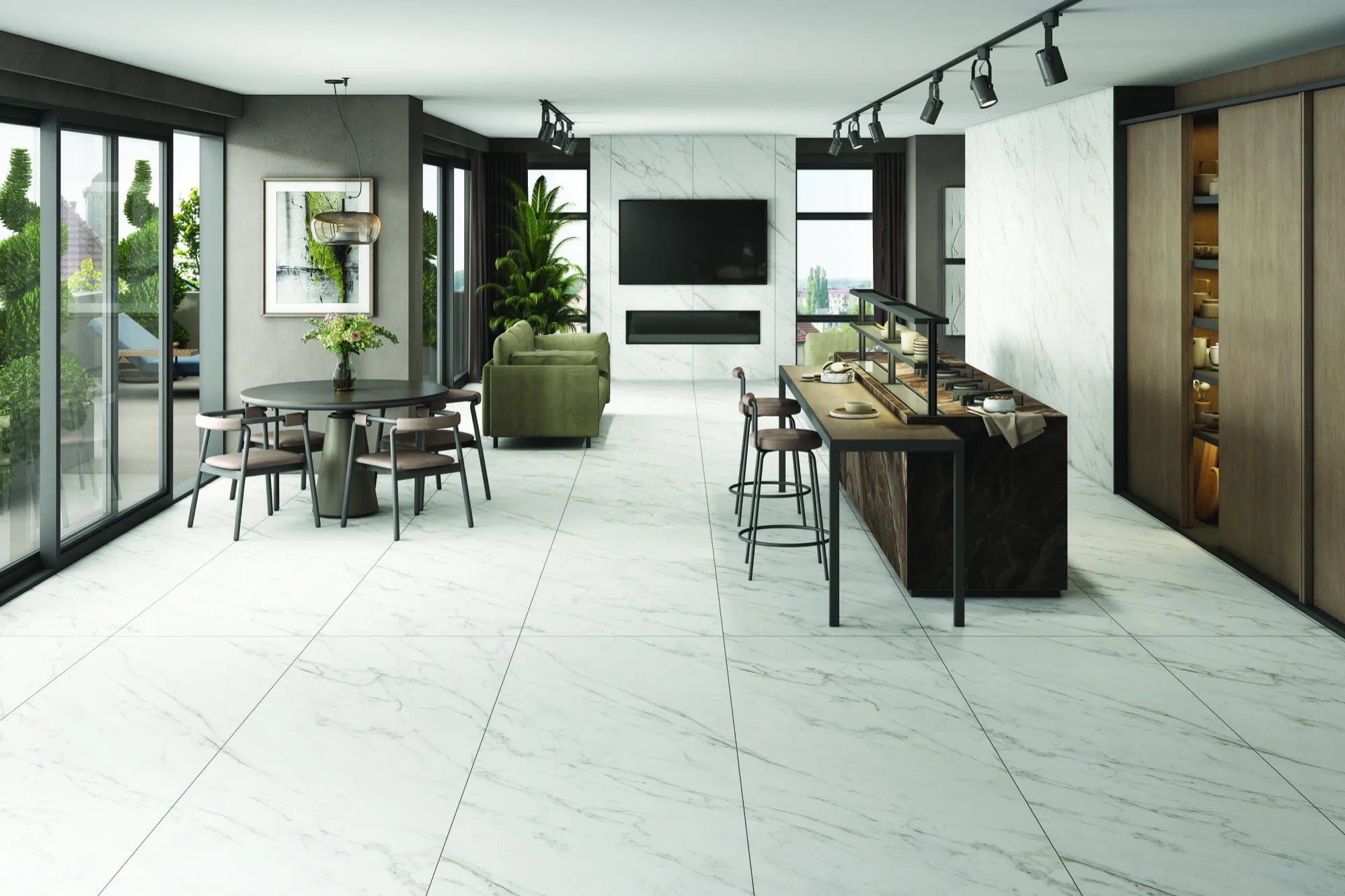
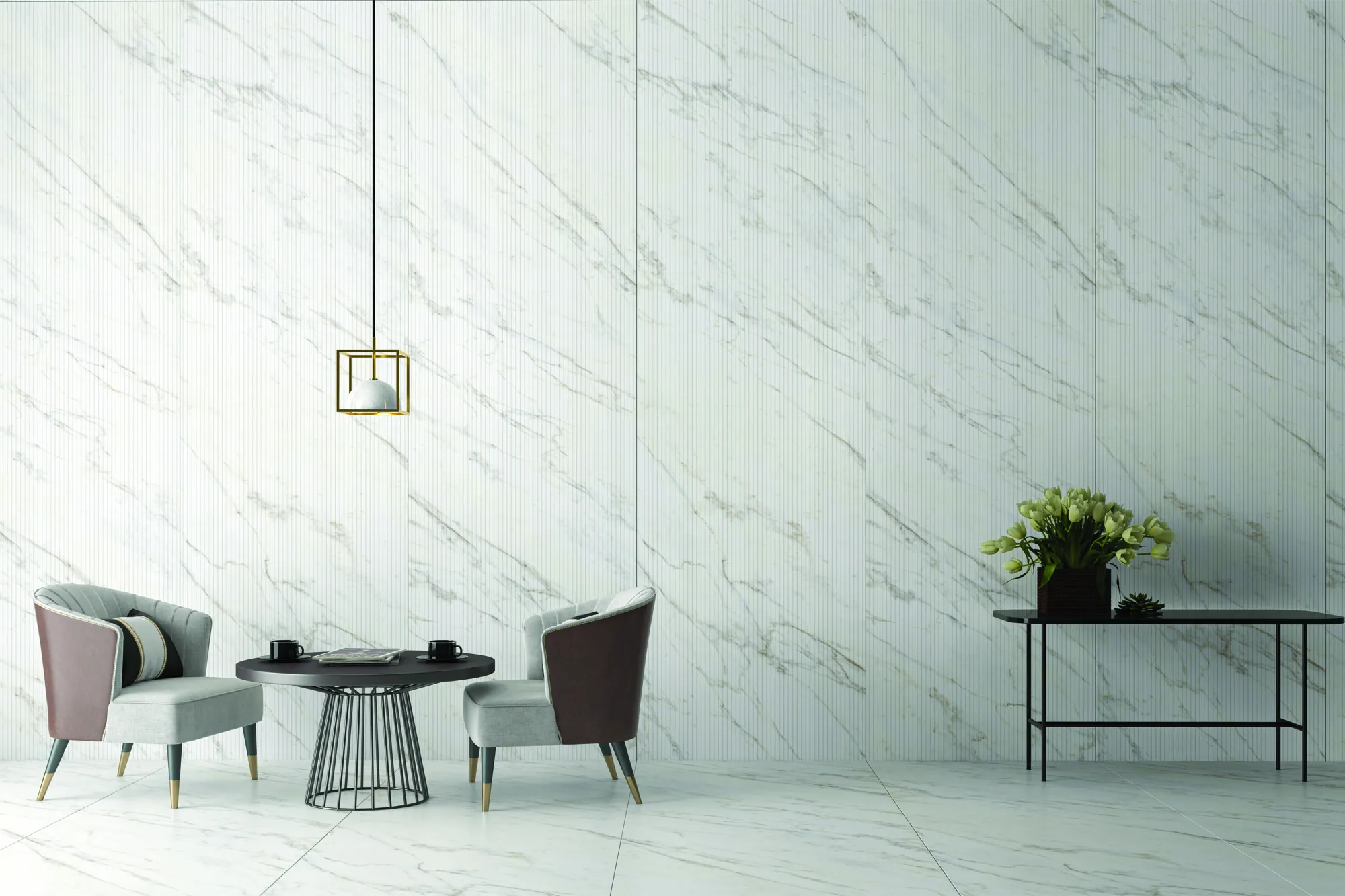
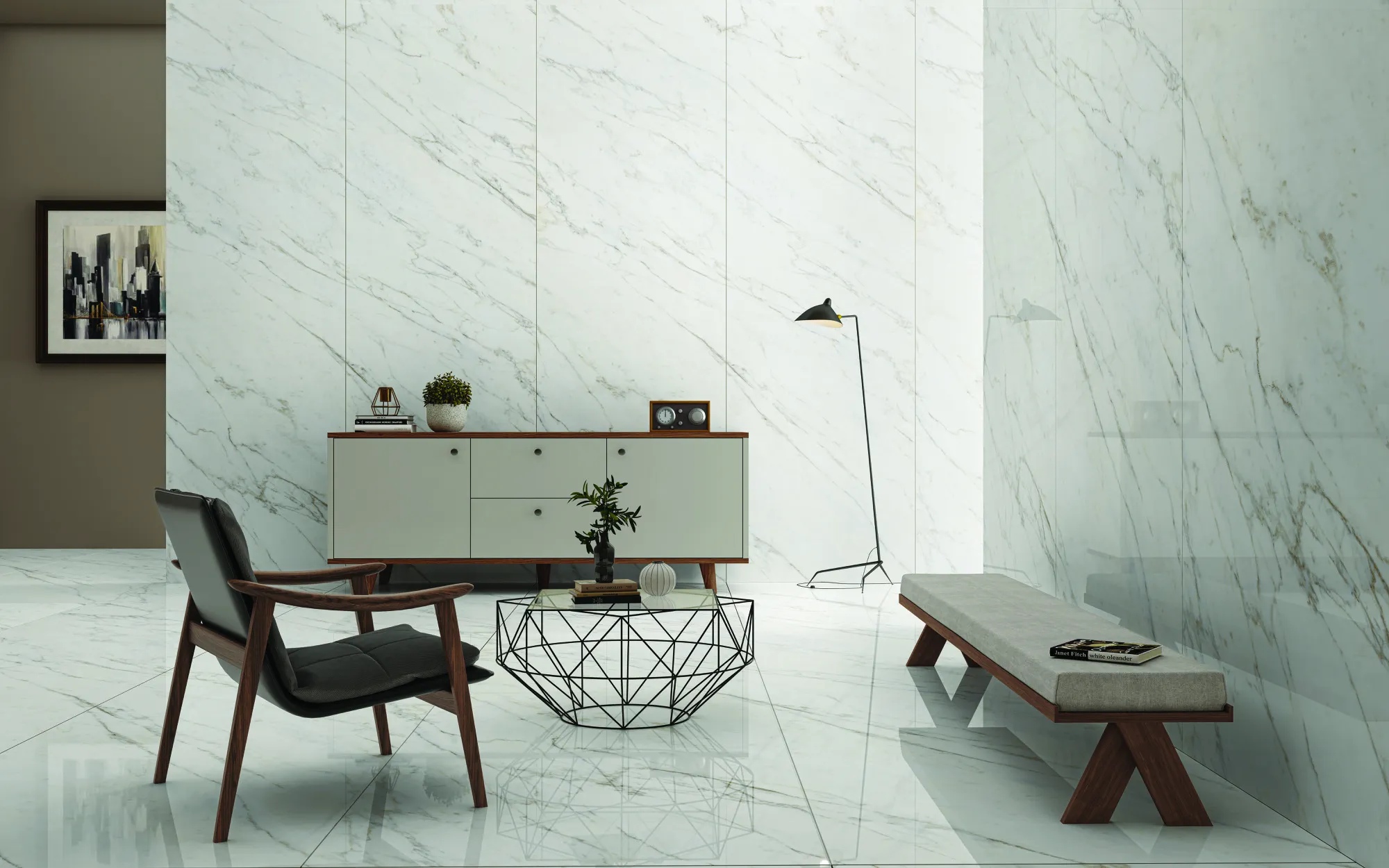
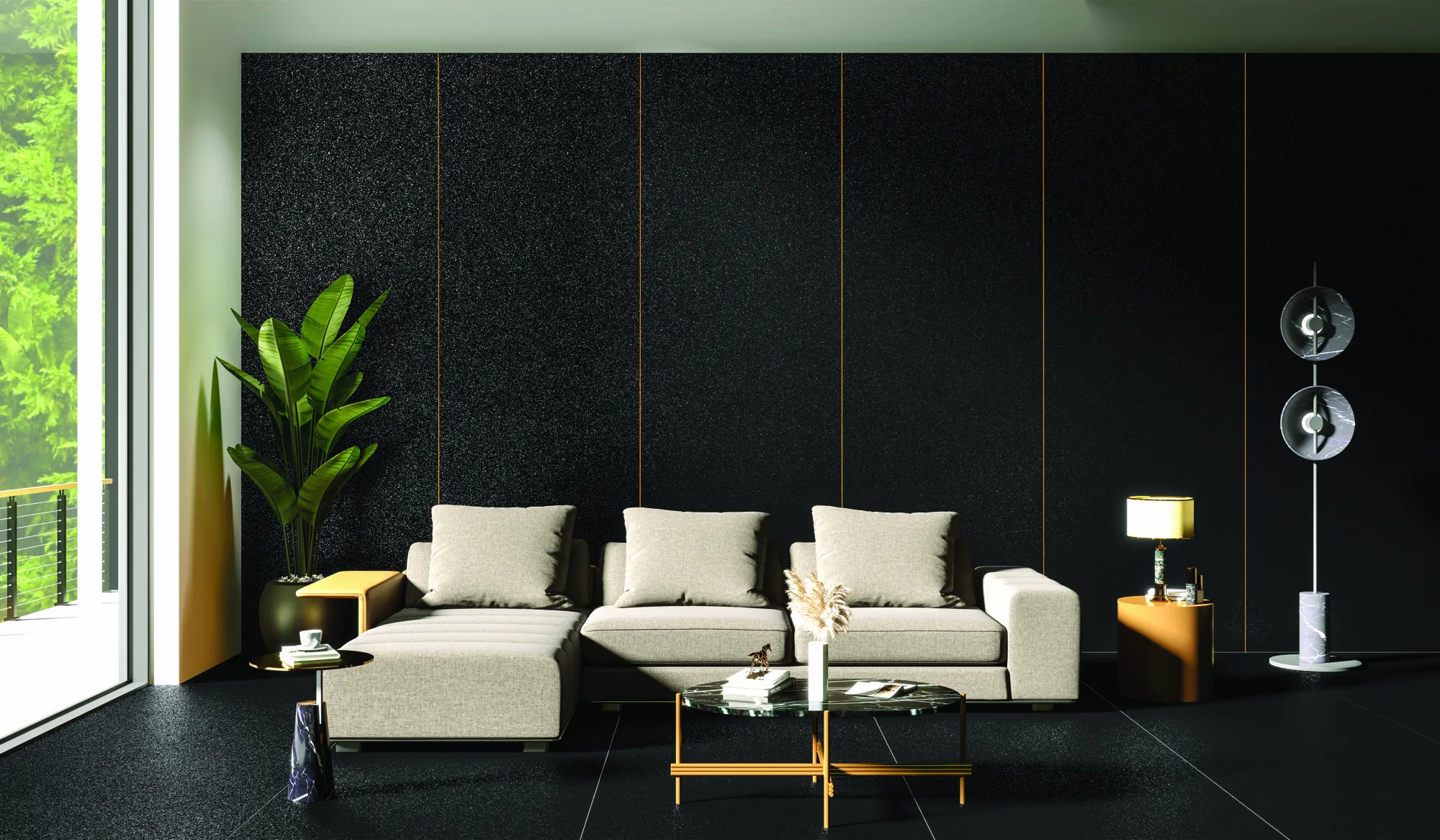
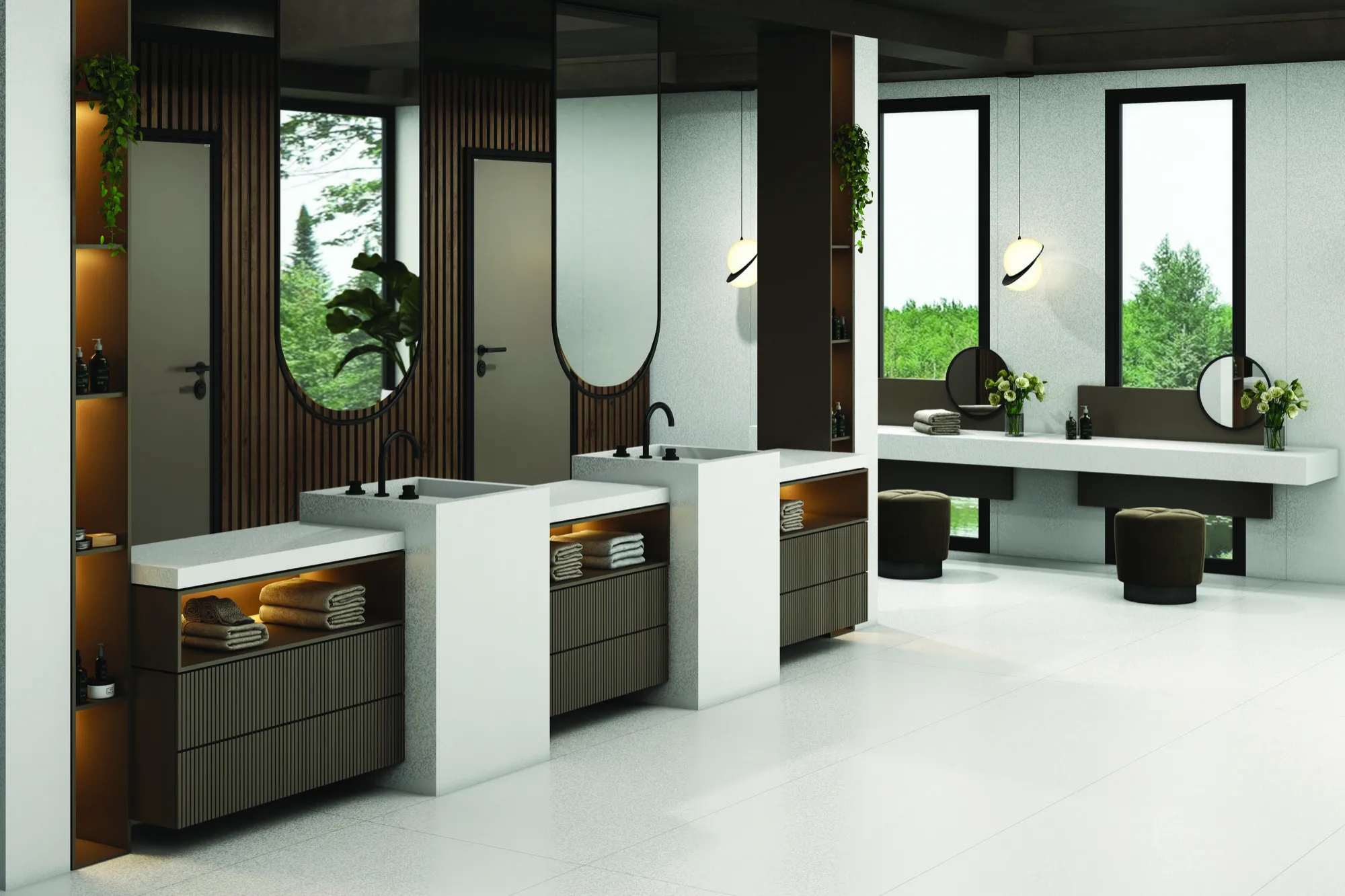
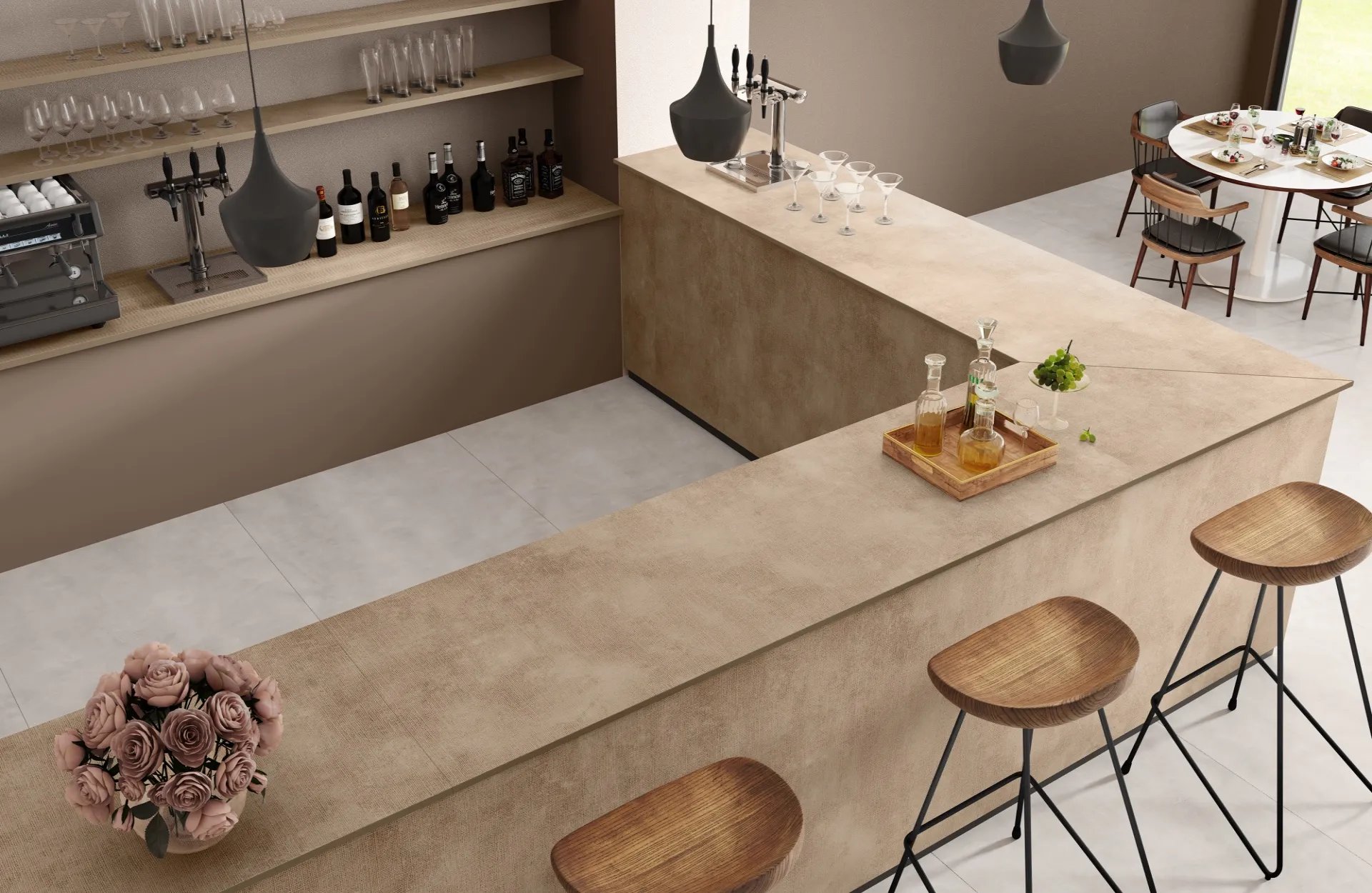
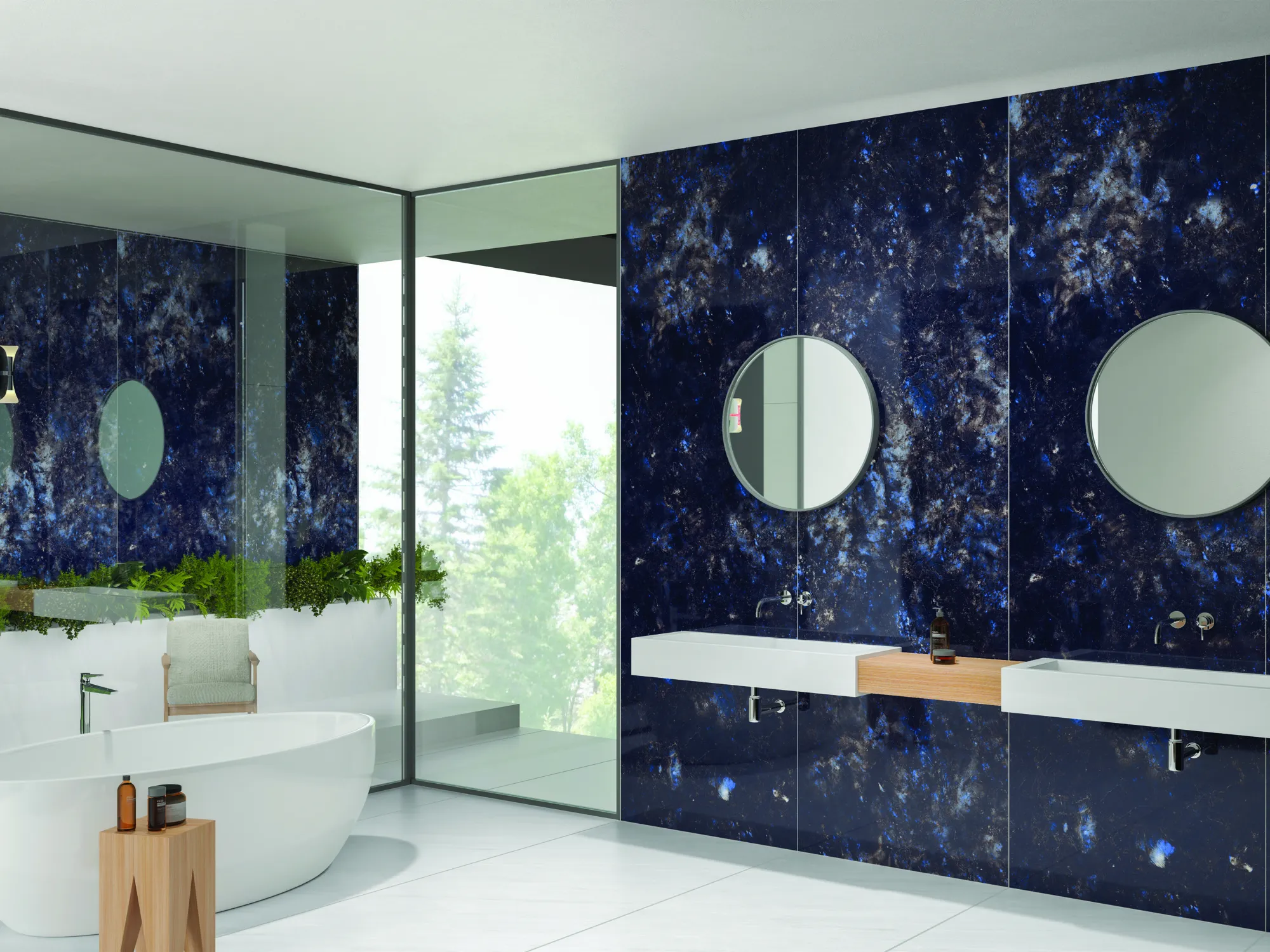
Ceramic tiles are a versatile and popular choice for homes due to their durability, wide range of designs, colors and patterns . They are suitable for various applications, including floors, walls, and backsplashes in kitchens and bathrooms.
While ceramic tiles can be used outdoors, but they are not as durable as vitrified tiles for outdoor use. They may not withstand severe temperature changes and heavy foot traffic as well as other materials designed for outdoor environments. Opt for heavy duty vitrified tiles ( Durastone ) they are designed to provide a high level of durability, strength, and longevity.
Yes, ceramic tiles come in a variety of finishes, including glossy, matte, textured, and glazed . This variety allows for flexibility in design and application, suiting different aesthetic preferences and functional requirements.
Absolutely, ceramic tiles are an excellent choice for kitchens. They are durable, easy to clean, and resistant to stains and spills, making them ideal for kitchen floors, walls, and backsplashes .
Ceramic tiles have a glazed protective layer that makes them resistant to water and stain penetration, making them suitable for wet areas like bathrooms and kitchens . However, they are not as impervious to moisture as porcelain tiles.
Yes, ceramic tiles are a great choice for bathroom walls . Ceramic tile comes in a wide range of colors, patterns and designs for a sleek, luxurious look. They can withstand the humid environment of a bathroom and are easy to clean and maintain.
Ceramic tiles are known for their affordability, making them a cost-effective option for flooring and wall applications. Prices can vary based on the tile's design, size, and finish , but overall, they offer good value for the quality and durability provided.
Ceramic tiles are highly suitable for bathroom space due to their water-resistant properties and ease of cleaning. Their wide range of designs, colors and finishes also allows for creative and attractive bathroom aesthetics.
Ceramic tiles can be used for exterior applications, but their suitability depends on: Porosity: Standard ceramic tiles are more porous than vitrified tiles, making them prone to water absorption and frost damage in cold climates. Slip Resistance: Textured or matte-finish ceramic tiles are safer for outdoor use (e.g., patios, walkways). PEI Rating: For exteriors, choose tiles with PEI IV or V (high abrasion resistance). Climate: In freeze-thaw regions, frost-resistant ceramic tiles are recommended.
Vitrified tiles are made by a high-temperature vitrification process combining clay, silica and feldspar. This creates a dense, glass-like finish making the tiles very hard, durable and nearly impermeable to water.
A tile where the color and pattern go all the way through the body, meaning scratches or wear won't reveal a different color underneath.
Porcelain tiles are fired at higher temperatures and are denser and harder than ceramic tiles. They absorb <0.5% water (ASTM standard), whereas ceramic tiles absorb ~3–7%. Porcelain’s low porosity makes it more durable and water-resistant.
Ceramic tiles are made from clay and other natural materials, while vitrified tiles are made from a mixture of clay and other materials that are then fired at high temperatures to create a denser, more durable tile.
Some common types of vitrified tiles include full-body vitrified tiles, double-charged vitrified tiles, and digital vitrified tiles. To know more visit Somany Experience centre for better understanding of tiles there usage and application. We have close to 20 Experience centers across India.
Double charge and soluble salt tiles are both types of vitrified tiles, but they differ in the way they are manufactured and their visual characteristics. Double charge tiles are made by pressing two layers of different colors of raw materials together and firing them at high temperatures. The top layer is around 3-4 mm thick, which gives the tile a thicker and denser surface. This process creates a tile with a unique, multicolored pattern that is highly resistant to scratches and stains. Soluble salt tiles, on the other hand, are made by printing a design on the surface of the tile and then applying a soluble salt solution that seeps into the tile's pores. This process results in a tile with a single, uniform color and design, and a smooth surface. Soluble salt tiles are generally more affordable than double charge tiles, but they are not as durable and are more prone to wear and tear. In summary, the main differences between double charge and soluble salt tiles are the manufacturing process, the visual characteristics, and the level of durability. Double charge tiles have a unique, multicolored pattern and are highly durable, while soluble salt tiles have a uniform color and design and are more affordable but less durable. Somany offers Somany Ultra Charge and Soluble salt range which is best in the market in terms of design and quality.
Vitrified tiles are highly non-porous and are thus way more resistant towards stains than regular ceramic tiles. Ceramic tiles are generally available with coarse textures and surfaces, which makes them less slippery. Vitrified tiles have a smooth and glossy surface. Ceramic tiles are made from clay and other natural materials, while vitrified tiles are made from a mixture of clay and other materials that are then fired at high temperatures to create a denser, more durable tile.
Double charge and soluble salt tiles are both types of vitrified tiles, but they differ in manufacturing process, visual characteristics, and durability: Double Charge Tiles: Made by pressing two layers of raw materials together and firing at high temperatures. The top layer (3–4 mm) creates a thick, dense surface with unique multicolored patterns. Highly resistant to scratches and stains. Soluble Salt Tiles: Manufactured by printing a design on the surface and applying a soluble salt solution that seeps into the pores. Results in a uniform color/design with a smooth surface. More affordable but less durable and prone to wear. Summary: Double charge tiles are durable, scratch-resistant, and patterned, while soluble salt tiles are uniform, budget-friendly, but less durable. Somany offers Ultra Charge and Soluble Salt ranges, known for top quality and design.
Homogeneous Vitrified Tiles have a uniform color and texture throughout the tile, which makes them ideal for high-traffic areas like hospitals, schools, and public spaces. They are also highly durable and resistant to wear and tear. Somany Tech Homogenea is the best homogeneous range in the market available in various finishes, textures and sizes.
Yes, Homogeneous Vitrified Tiles can be used for residential applications, particularly in high-traffic areas like entryways, kitchens, and bathrooms.
Homogeneous Vitrified Tiles come in a range of colors and textures, including solid colors, speckled patterns, and textured finishes.
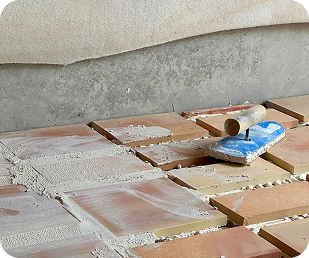
No, you must use a "Notched Trowel" to create air channels, and "Back-Buttering" is mandatory to ensure 100% coverage behind the slab.
LFT reduces vertical and horizontal grout lines, creating a luxurious, seamless appearance that mimics the look of high-end natural stone slabs.
Large format tiles can be a good choice for small kitchens as they have fewer grout lines, which can create a seamless look and make the space appear larger. However, it's important to ensure the scale of the tiles is appropriate for the size of the kitchen to maintain aesthetic balance.
Big tiles can work well in a small bathroom as they have fewer grout lines, creating a seamless appearance that can visually expand the space. However, the layout and tile size should be carefully considered to ensure a proportional look.
Large format Glazed Vitrified Tiles have a uniform surface that makes them ideal for creating seamless flooring designs. They also come in a variety of colors and designs, which makes them a popular choice for modern homes and commercial spaces. Somany offers Somany Max and Somany Tech homogenea that comes with wide range of Large format tiles in 800 x 2400 mm, 1200 x 1200 mm, 1200 x 1800 mm, 1200 x 2400 mm
Large format Glazed Vitrified Tiles are commonly used in living rooms, dining rooms, and other common areas in homes, as well as in commercial spaces like hotels, malls, and airports.
Yes, large format Glazed Vitrified Tiles can be used for outdoor applications, as long as they are installed using a suitable adhesive and grout that can withstand exposure to water and weather. We recommend Somany EZY Fix SEF 777 & SEF 888
This information is also provided in the installation film, available on the Somany website: Installation Film – Laying Instructions
Regular cleaning with warm water and a mild soap (or neutral pH tile cleaner) is sufficient for porcelain. Avoid harsh acidic or ammonia-based cleaners (they can damage grout and glaze). After cleaning, dry tiles thoroughly.
No. Glazed porcelain tiles are impervious and do not require sealing. However, it is often recommended to seal grout lines to protect them from stains, since grout can absorb dirt over time.
Use a specialized acid-based tile cleaner diluted in water, or a paste of baking soda and lemon juice for a natural alternative (only on ceramic/vitrified).
Lippage is a condition where the edges of adjacent tiles are not at the same height, often caused by an uneven substrate or poor installation of large tiles.
Tenting occurs when tiles expand due to heat but have no room to move because of insufficient grout joints, causing them to lift or buckle.
Spacers ensure uniform grout lines and provide the necessary room for the tile to expand and contract with temperature changes.
It is possible if the surface is thoroughly roughened and a high-bond strength adhesive like SEF 666 or SEF 777 is used.
A powerful acid-based solution used to remove post-installation cement film, grout residue, and hard water stains from tiles.
To keep your tile and grout looking their best, you should clean them regularly with a mild detergent and warm water. You can also use specialized cleaners or steam cleaners to remove stubborn stains. Additionally, you should seal your grout to prevent it from becoming discolored or stained over time.
Daily Cleaning: Sweep/Vacuum: Remove dust and grit to prevent scratches. Mop with pH-neutral cleaner: Avoid acidic/abrasive chemicals (e.g., vinegar, bleach). Microfiber cloth: Best for glossy tiles to avoid streaks. Stain Removal: Oil/Grease: Dish soap + warm water. Hard Water: White vinegar (diluted). Grout Stains: Baking soda paste or oxygen bleach. Long-Term Maintenance: Grout Care: Seal grout lines annually (sanded grout for floors, epoxy grout for wet areas). Scratch Prevention: Use felt pads under furniture. Gloss Retention: For polished tiles, avoid harsh scrubbers. Special Tile Care: VC Shield Tiles: Extra scratch-resistant – normal cleaning suffices. Slip Shield (Anti-Slip): Use a soft brush for textured surfaces. Natural Stone Look Tiles: Re-seal periodically if unglazed. Pro Tip: For large-format tiles (LFT), use a flat mop to prevent lippage (uneven edges). Avoid steam mops on vitrified tiles (heat can weaken adhesive).
When choosing lobby tiles, you should consider factors such as the level of foot traffic, the overall design of the space, and the color scheme. You may also want to choose tiles that are slip-resistant and easy to maintain. Usually Somany large format tiles (Max & Tech Homogenea) are most suitable tiles for application.
To install temperature-resistant tiles, you should first prepare the surface by cleaning and leveling it. You can then apply an adhesive specifically designed for high temperatures and place the tiles in the desired pattern. Finally, you should use a high-temperature grout to fill in the gaps between the tiles.
Tile have a tendency of bending. Tile spacers allow you to keep your floor level and ensure that each tile is properly grouted. If your tiles are too close together, you risk damage if they expand. They could also become dislodged or chipped. Spacers provide a more secure, durable surface.
Yes it is possible to install tile on tile, however one needs to keep in mind that the floor height will increase and that may call for readjustment of doors etc.
Improper adhesion, can cause tile to pop out pop out, break, or bend, creating unevenness in the floor.
No
This information is provided in the installation film which is available on the website
Somany stays ahead through: Global Collaborations: Partnerships with Italian and Spanish designers for cutting-edge patterns. R&D Focus: Innovations like VC Shield, Temp Shield, and advanced digital printing. Trend Forecasting: Active participation in international expos (e.g., Cersaie, Cevisama). Sustainability: Eco-friendly manufacturing processes and use of recycled materials. Result: Timeless designs (marble and wood looks) combined with technology-backed durability.
Yes, Somany provides post-installation support. The durability of tiles varies by type: VC Shield Tiles: Highly abrasion-resistant (50,000+ rotations).
Consistency in Durability, Quality & Appearance: SOMANY tiles are crafted from top-quality materials and rigorously tested for outstanding durability. They resist abrasion, stains, warping, and wear, minimizing cracks, chips, breakage, or fading. Renowned for uniformity in size, shape, thickness, and appearance, enhancing aesthetic appeal. Money for Value: SOMANY products offer more than “value-for-money” — they deliver “money-for-value.” By paying a slight premium, customers gain significantly higher value in return. Trusted Legacy: With over 50 years of legacy, SOMANY has consistently earned customers’ trust through innovation. As pioneers in ceramics in India, SOMANY delivers high-quality products trusted by millions in India and abroad.
Yes, Somany tiles are eco-friendly. The company follows sustainable manufacturing processes, uses recycled materials where possible, and ensures minimal environmental impact. The tiles are certified by relevant environmental standards, contributing to green building certifications like IGBC.
Delivery timelines depend on product availability, location, and order quantity. Standard products are usually delivered within 7-10 days, while customized orders may take longer (4-6 weeks). Exact timelines can be confirmed upon order placement.
Yes, Somany can share case studies and references from residential, commercial, and hospitality projects where their tiles have been successfully installed.
Standard designs remain in production, but some limited editions or trend-based designs may be phased out. Architects/clients are advised to check stock availability for specific designs.
Somany has a wide distribution network and partners with logistics providers to ensure delivery even to remote locations. Minimum order quantities (MOQ) may apply for customized orders.
If undulation (unevenness) occurs, the following steps are recommended: Check Substrate: Ensure the base is level before installation. Use Proper Adhesive: Follow recommended application techniques and choose from Somany’s curated EZY Fix Adhesive and Grout range. Consult Experts: Somany provides technical support for rectification. Replacement (if needed): In case of manufacturing defects, replacement can be arranged under warranty.
Somany maintains strong inventory management and production planning to ensure consistent supply. Projecttimelines are tracked, and dedicated teams coordinate with dealers/contractors to avoid delays.
PEI III or IV is standard for most home interiors. VC Shield tiles are used when ratings beyond the standard PEI V are required.
Temp Shield tiles reflect up to 75% of solar radiation and have a 90% thermal emittance, lowering surface temperatures by up to 15°C.
Yes, VC Shield's abrasion resistance (50,000+ rotations) is 4x superior to PEI V, making it ideal for the most demanding commercial foot traffic.
R11 offers higher traction than R10; Somany Slip Shield tiles achieve R11, making them safer for wet or oily conditions like pool decks and commercial kitchens.
It creates a water-repellent barrier that prevents moisture from penetrating the tile surface, thereby starving mold and mildew of the damp environment they need to thrive.
They are infused with antimicrobial agents that resist bacteria and mold growth, making them essential for high-hygiene areas like kitchens and hospitals.
Yes, by reflecting up to 75% of solar heat, they lower the internal temperature by ~5°C, reducing the load and runtime of air conditioning systems.
Yes, they are excellent for exteriors as they repel rainwater and prevent dust from sticking, keeping the building's appearance clean for longer.
Slip-shield tiles are specially designed to provide friction and reduce the chances of slips and falls. SOMANY offers a wide range of slip-resistant tiles with special textures, patterns, materials, and finishes that offer an increased level of safety that is perfect for any home or commercial setting. Our slip-resistant tiles are suitable for wet areas like swimming pools, bathrooms and showers, as well as other areas prone to wet and slippery surfaces.
Temperature-resistant tiles are tiles that are designed to reflect the heat and reduce temperature on the enclosures. They can withstand high temperatures and are commonly used in areas such as roofs, and outer wall claddings. Somany revolutionary Temp shield tiles is helps in reducing the ambient heat and also fights Heat Island effect.
The concept behind Veil Craft Hard Coat technology is to make a floor tiles physically and visually unchanged, enduring years of foot traffic. The process of determination of the abrasion resistance is done by rotation of an abrasive load on the tile surface. The number of revolutions sustained without any change in visual appearance is the measure of abrasion resistance. Abrasion Resistance has five grades namely PEI I, II, III, IV & V. PEI V is the highest rating which means any surface which can endure more than 12000 rotations. VC Shield tiles are more than 4 times superior to the standards described in PEI V or Class 5 Floor tiles coated with VC shield coating can withstand 50,000 revolutions and still retain its abrasion resistance, making Somany’s VC the most durable floor tile in India.
In the context of Temp Shield tiles, what is the average heat transfer reduction value compared to normal ceramic or GVT tiles? For example, if the outside temperature is 45°C, what will be the inside temperature if normal tiles are used on the roof?
Somany provides detailed instructions for transportation, handling, laying, cutting, edge profiling, grouting, and cleaning of large-size slabs. Full guide available here: Laying Instructions Key guidelines include: Handling & Transporting: Carry slabs vertically with support; avoid dragging edges or corners. On-Site Handling: Use at least two trained operators with PPE and suction tools. Cutting & Drilling: Use diamond blades; drill corner holes before cutting squares/rectangles. Edge Profiling: Bevel/half-bullnose only by skilled professionals. Substrate Preparation: Ensure flat, dry, dust-free, and structurally sound surface. Adhesive Application: Apply Somany EZY FIX adhesive on both slab and substrate with notched trowel. Joints & Levelling: Maintain minimum 3mm joint gaps and use levelling system. Grouting: Start 48 hours after laying; use Somany EZY FIX grout (cement or epoxy). Final Cleaning: After 2–3 days, use mild acid-based cleaner (avoid hydrofluoric acid). Video resources: VC Shield — Durability Protection Slip Shield — Anti-Slip Tiles Temp Shield — Heat Protection Result: Proper slab laying ensures long-lasting, durable, and aesthetically pleasing finishes backed by Somany technologies.
It is a semi-polished or "honed" finish that offers a subtle sheen without the extreme slipperiness of a full-mirror polish.
It is a high-resolution inkjet process that can replicate natural textures like marble, wood, and stone with hundreds of unique tile faces for a natural look.
Common tile finishes include: Glossy/Polished: Shiny, reflective surface (slippery when wet; ideal for indoor walls). Matte: Non-reflective, slip-resistant (good for floors, outdoor areas). Textured: Rough surface for anti-slip properties (used in bathrooms, balconies). Lappato (Semi-Gloss): Mid-sheen finish, balance of elegance and practicality. Wooden/Stone Effect: Mimics natural materials (popular for rustic or modern designs). Metallic/High-Gloss: Decorative, luxury finish (used for feature walls). Anti-Scratch (VC Shield): Extra protection against abrasion (e.g., Somany’s VC Shield tiles). Anti-Slip (Slip Shield): Specially designed for wet areas (outdoors, pool decks). Each finish serves different functional and aesthetic needs.
A multi-layer plating process (Brass-Nickel-Chrome) that ensures a radiant finish and superior resistance to corrosion and wear.
PVD creates a molecular bond that is extremely hard, preventing the peeling, scratching, and corrosion common in standard electroplated chrome.
These PVD finishes allow for personalization and better disguise fingerprints and water spots compared to high-shine chrome.
While warmer tones (brass/copper) are rising, matte black remains a popular "architectural staple" for modern, industrial-themed designs.
Their fluted or ribbed surfaces catch light differently throughout the day, creating dynamic shadows that add architectural interest to a space.
3D tiles add depth and texture to walls, creating a dynamic and visually appealing space. They are ideal for feature walls and can transform a room by adding character, enhancing the aesthetic appeal, and providing a unique touch to your decor.
(No answer was provided in the raw data)
A trend where large-format porcelain slabs are used to cover all surfaces in a room—floors, walls, and counters—to create a monolithic, stone-like environment.
Yes, when used in large formats with minimal grout lines, these light, warm tones can make a compact bathroom feel more spacious and airy.
Absolutely; their rugged textures (stone, concrete, or wood-look) add depth and interest, especially when used behind a TV unit or bed headboard.
No, they are increasingly used in kitchens as backsplashes or in living rooms to create distinct "zones" or accent panels.
Highlighter tiles are decorative tiles used to accent or highlight certain areas of a space, such as a kitchen backsplash or a bathroom wall. They often feature unique patterns, textures, or colors and are used to add visual interest and contrast to a tile design .
Kitchen tiles come in a variety of colours and finishes, from classic shades to modern patterns. Some popular colours this season include grey, beige, and blush tones.
The colour of bathroom tiles depends on personal preference and the bathroom's overall aesthetic. Lighter-coloured tiles can make the bathroom appear brighter and more spacious, while darker-coloured tiles can create a more dramatic and sophisticated look. However, it's essential to consider factors such as maintenance and how well the tiles hide dirt and stains. Ultimately, the decision depends on your preference, practicality, and the desired mood of the bathroom.
A diverse range of colors and finishes are available for kitchen tiles, spanning from timeless hues to contemporary designs. Your personal style and kitchen decor will determine the choice of color and pattern for the tiles. This season, trendy colors such as grey, beige, and blush tones are popular, while mosaic, geometric, and natural patterns are in demand.
Some trending kitchen tile styles include Moroccan-inspired tiles, geometric patterned tiles, and large-format tiles. These styles can be used to create various looks, from classic and timeless to modern and bold. It's important to choose a style that complements your kitchen's overall design and aesthetic.
Tiling bathroom floors is an excellent way to revamp your bathrooms. When it comes to the finish of bathroom floor tiles, always go for matt finish tiles as glossy tiles tend to become slippery when wet. You can also check out our range of anti-skid Slip Shield tiles that are perfect for bathroom floors.
Light-colored tiles , such as whites or creams, and large-format tiles such as 800x2400mm, 800x2600mm, 800x3000mm comes with minimal grout lines can make a kitchen look bigger. Glossy finishes tiles with a reflective surface can also amplify light and contribute to a sense of spaciousness.
The best tile color for a kitchen depends on personal preference and the overall design scheme. Neutral colors like white, beige, and gray are versatile and can help create a clean, spacious look. Bold or dark colors can be used for contrast or as accent pieces.
The latest trends in bathroom tiles include matte finishes, geometric patterns, large-format tiles , and natural stone looks. Textured tiles and soft, neutral colors that create a spa-like ambiance are also popular.
Light and neutral colors like white, beige, light grey, and pastels are popular as they make the bathroom feel clean and spacious. However, the best color depends on personal preference and the overall design aesthetic.
There is no hard and fast rule that floor tiles should be lighter or darker than wall tiles. The decision to use lighter or darker tiles for the floor and walls depends on various factors such as personal preference, room size, and lighting. Generally, lighter colour tiles create a more spacious feel, while darker tiles can add depth and cosiness to a room.
Yes, ceramic tiles come in a variety of finishes, including glossy, matte, textured, and glazed . This variety allows for flexibility in design and application, suiting different aesthetic preferences and functional requirements.
Common patterns and designs for ceramic and vitrified tiles include geometric patterns, floral designs, and natural stone looks.
Common patterns and designs for tiles used in bathrooms include subway tiles, mosaic tiles, and patterned tiles.
Yes, they provide the warmth of wood but are water-resistant, termite-proof, and far more durable for high-moisture Indian climates.
No, glossy tiles become extremely slippery when wet. Anti-skid matte tiles or Slip Shield tiles are the recommended safety standard for wet floors.
Yes, Somany Ezy Grout includes metallic glitter shades like Gold, Silver, and Copper to enhance the aesthetic of premium tiles.
Our commitment to quality is recognized worldwide. These awards and certifications reflect our unwavering standards and assure you of a truly world-class product.