Filters

Application
Space
Size
Design/Finish
Pattern
Color
Thickness
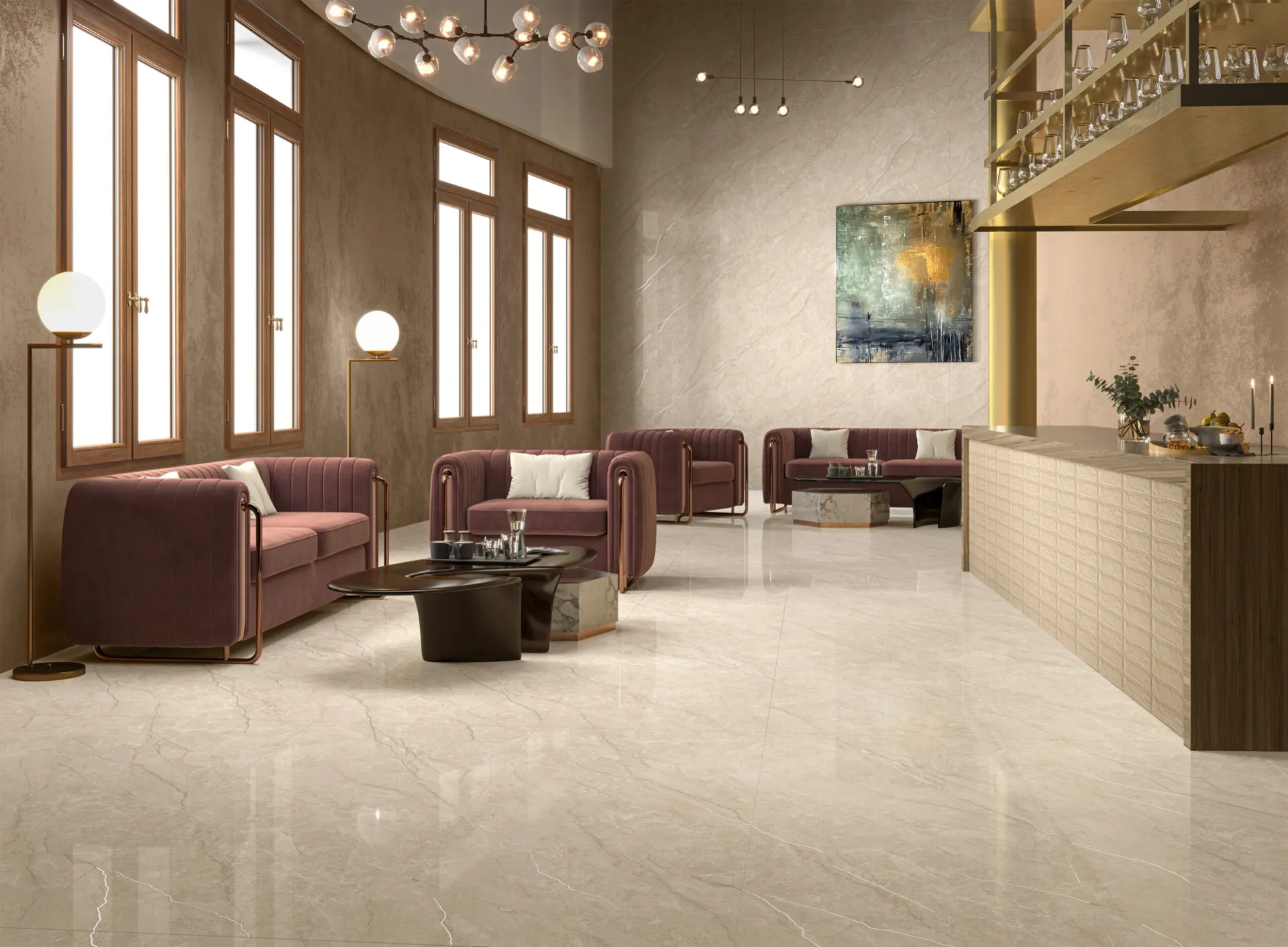
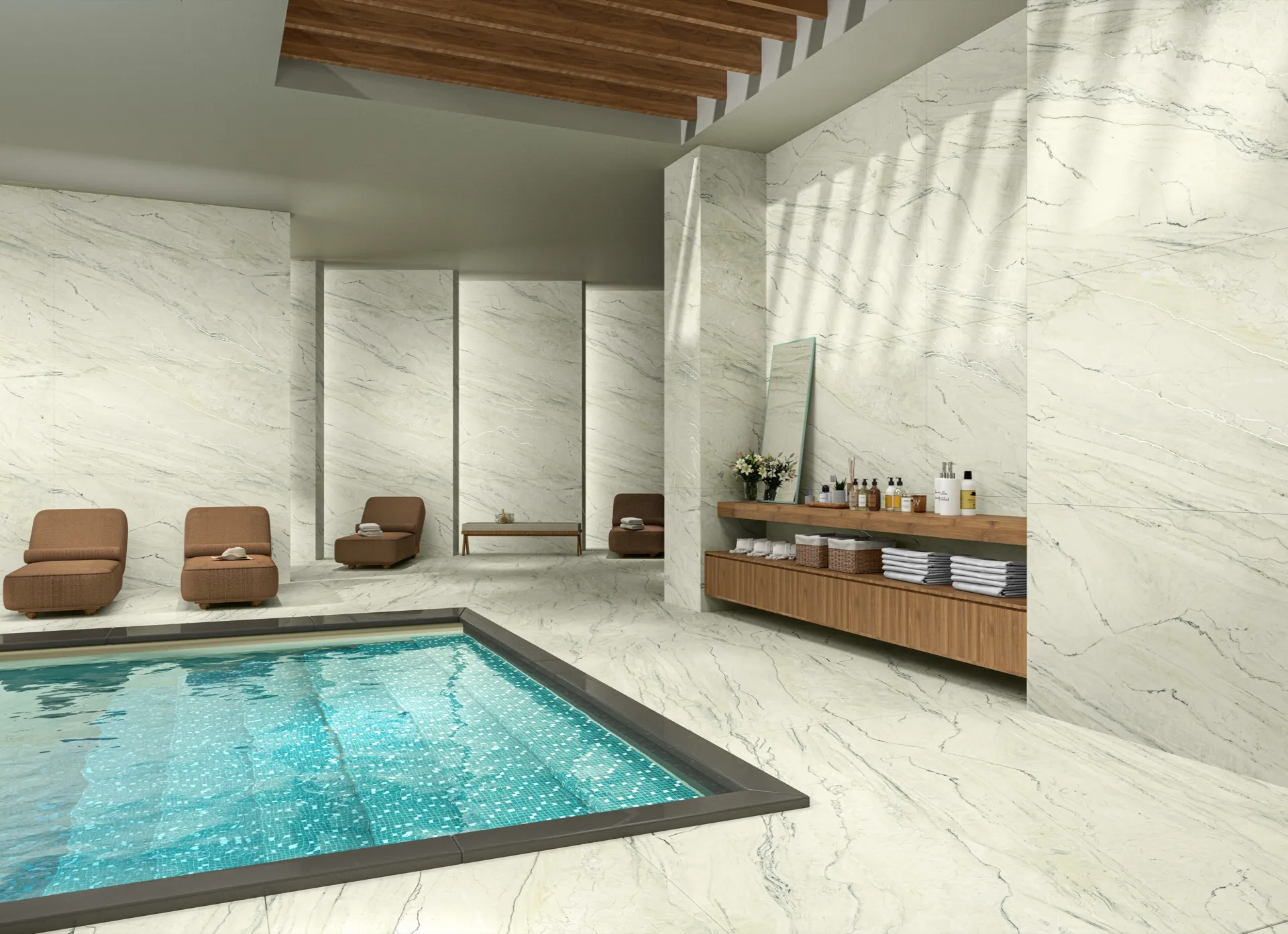
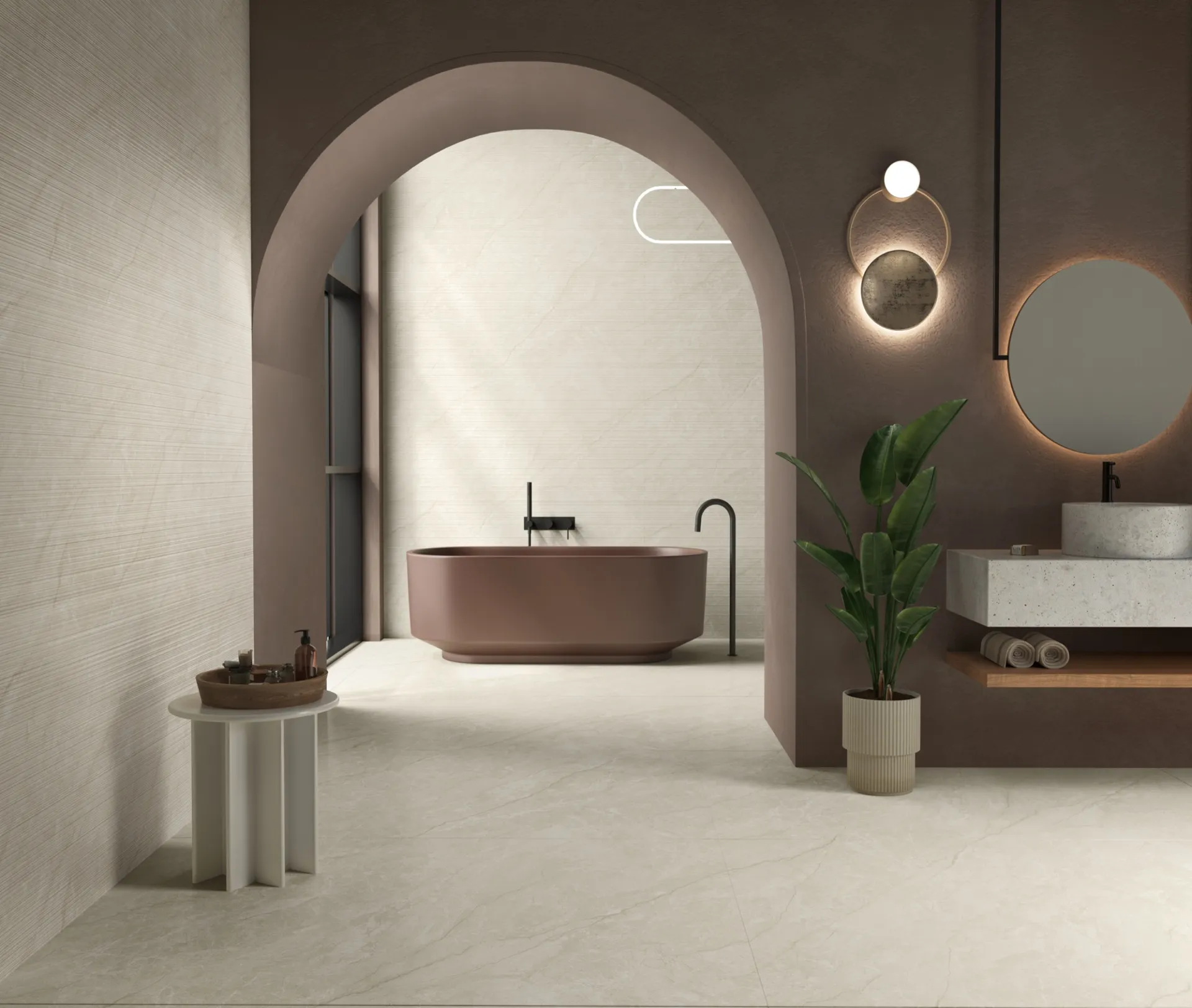
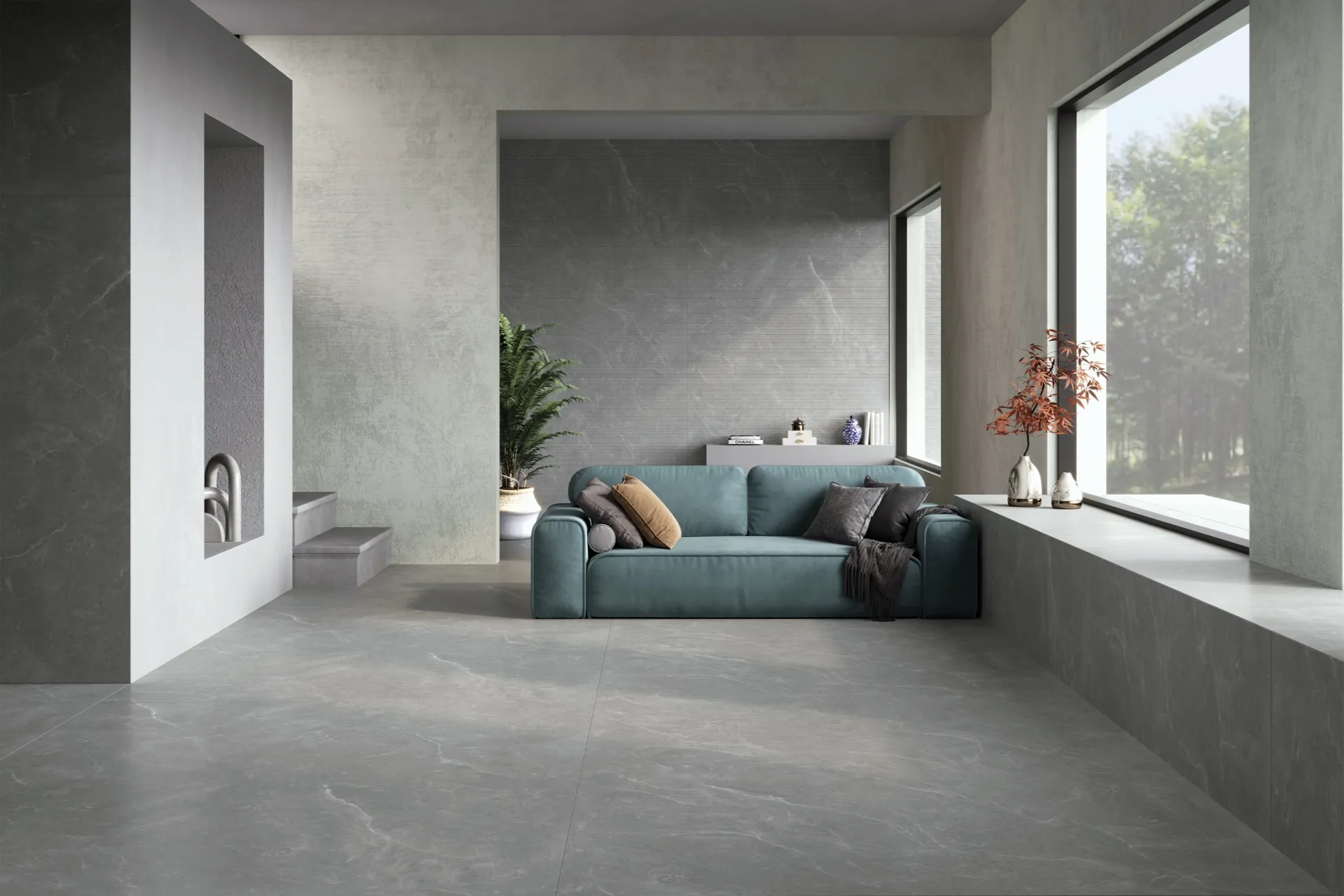
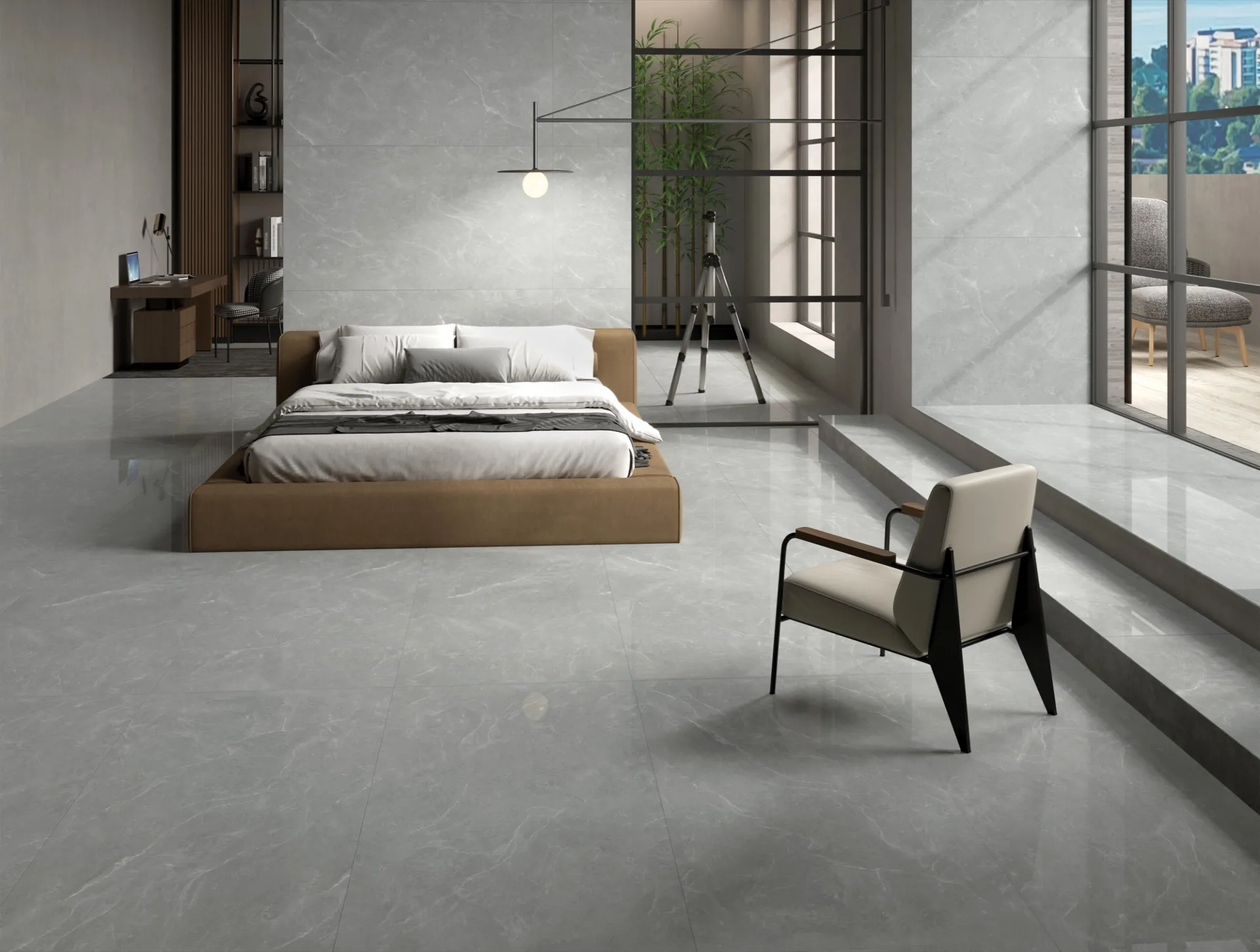
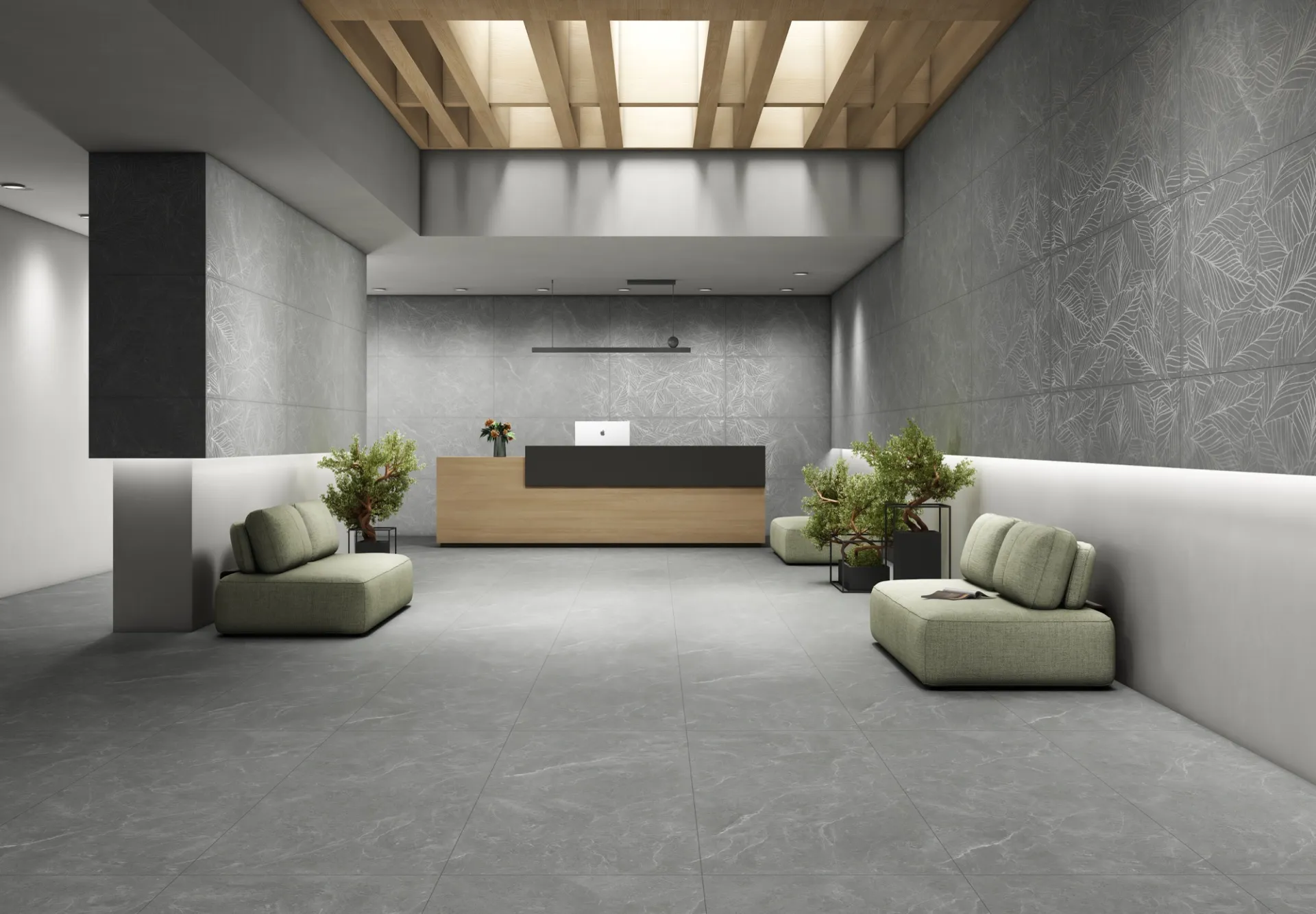
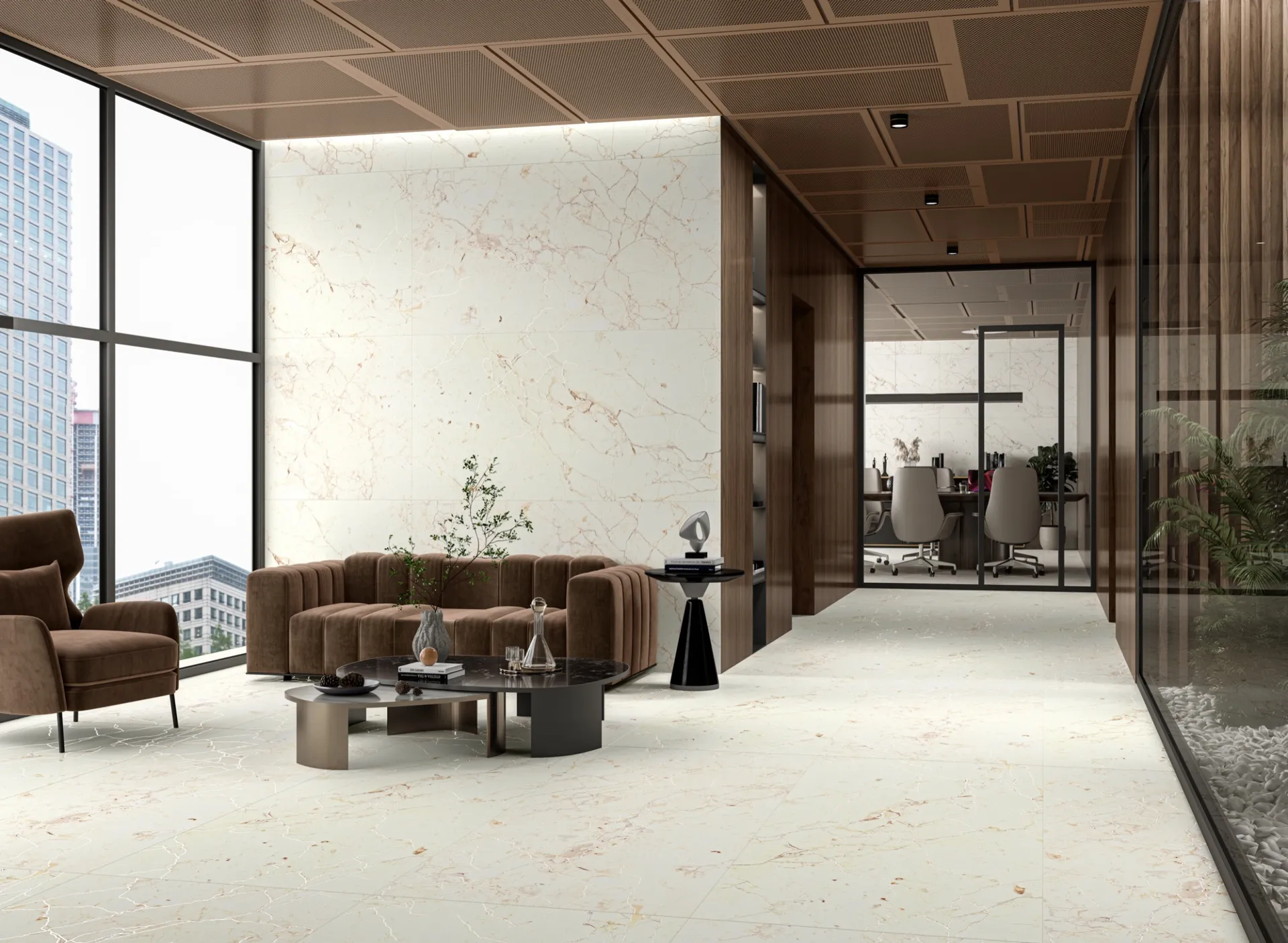
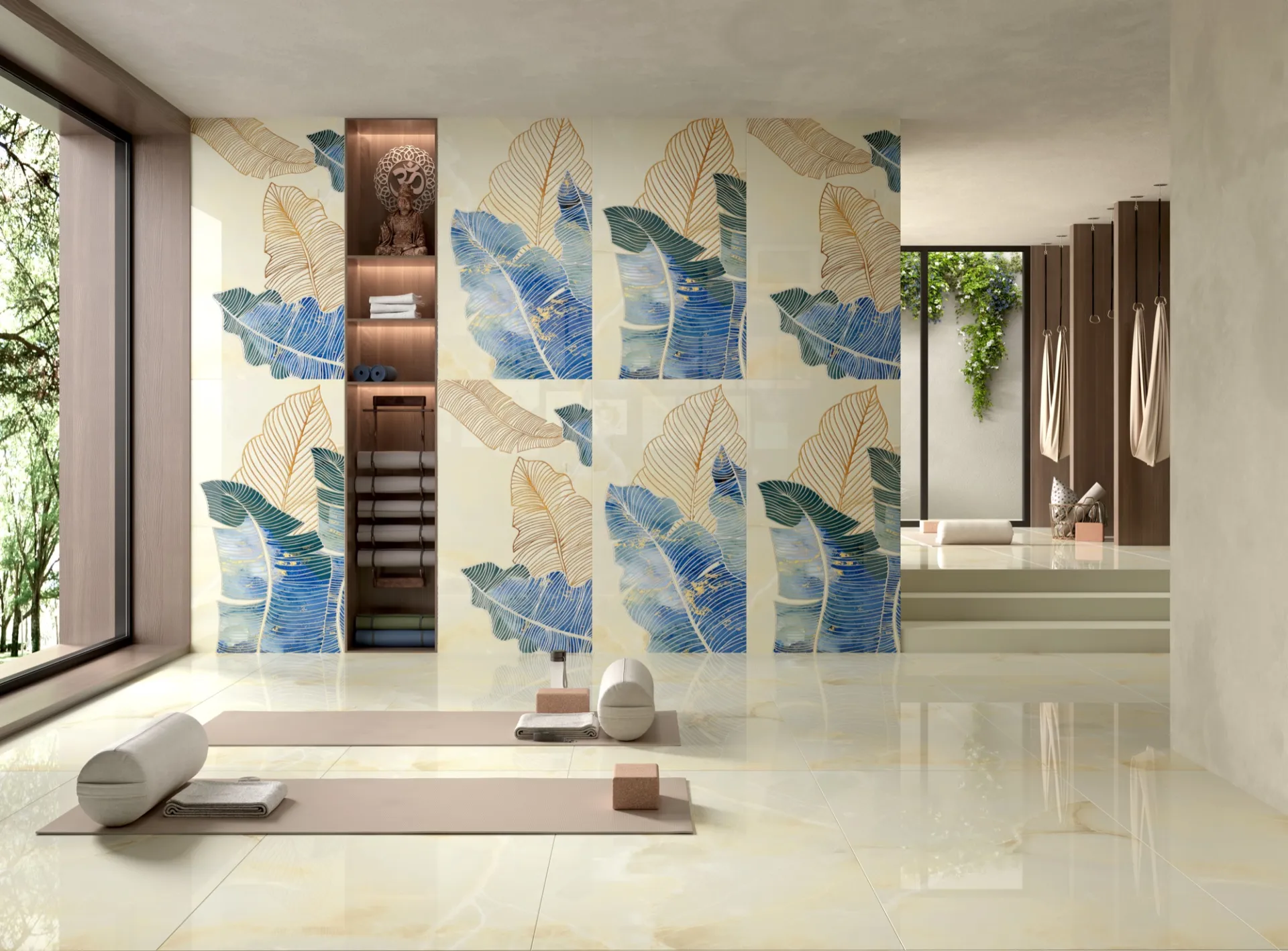
1-24 of 77 Products
...
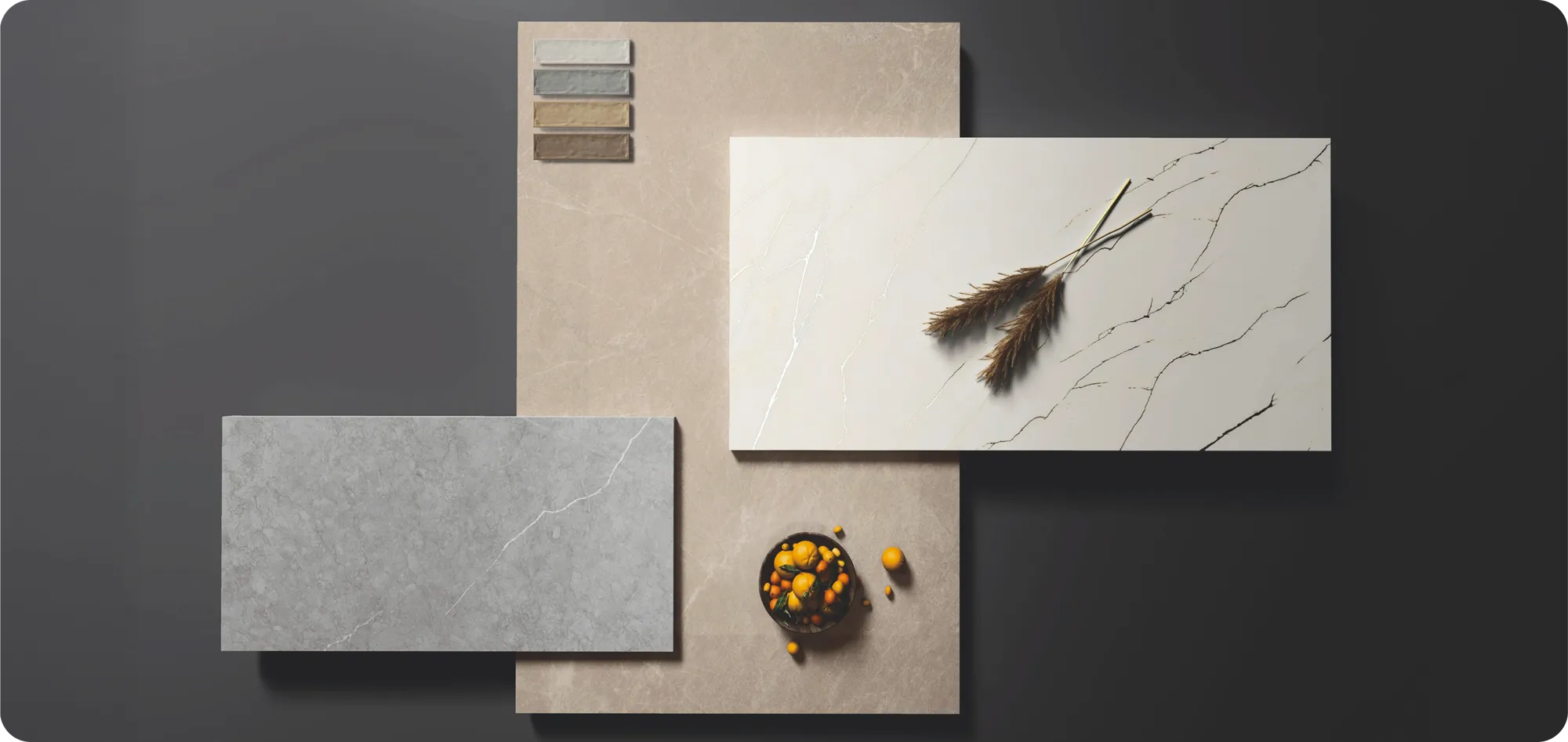
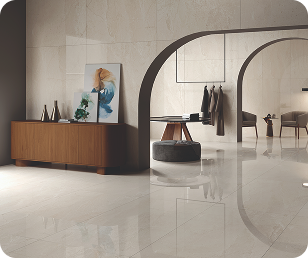
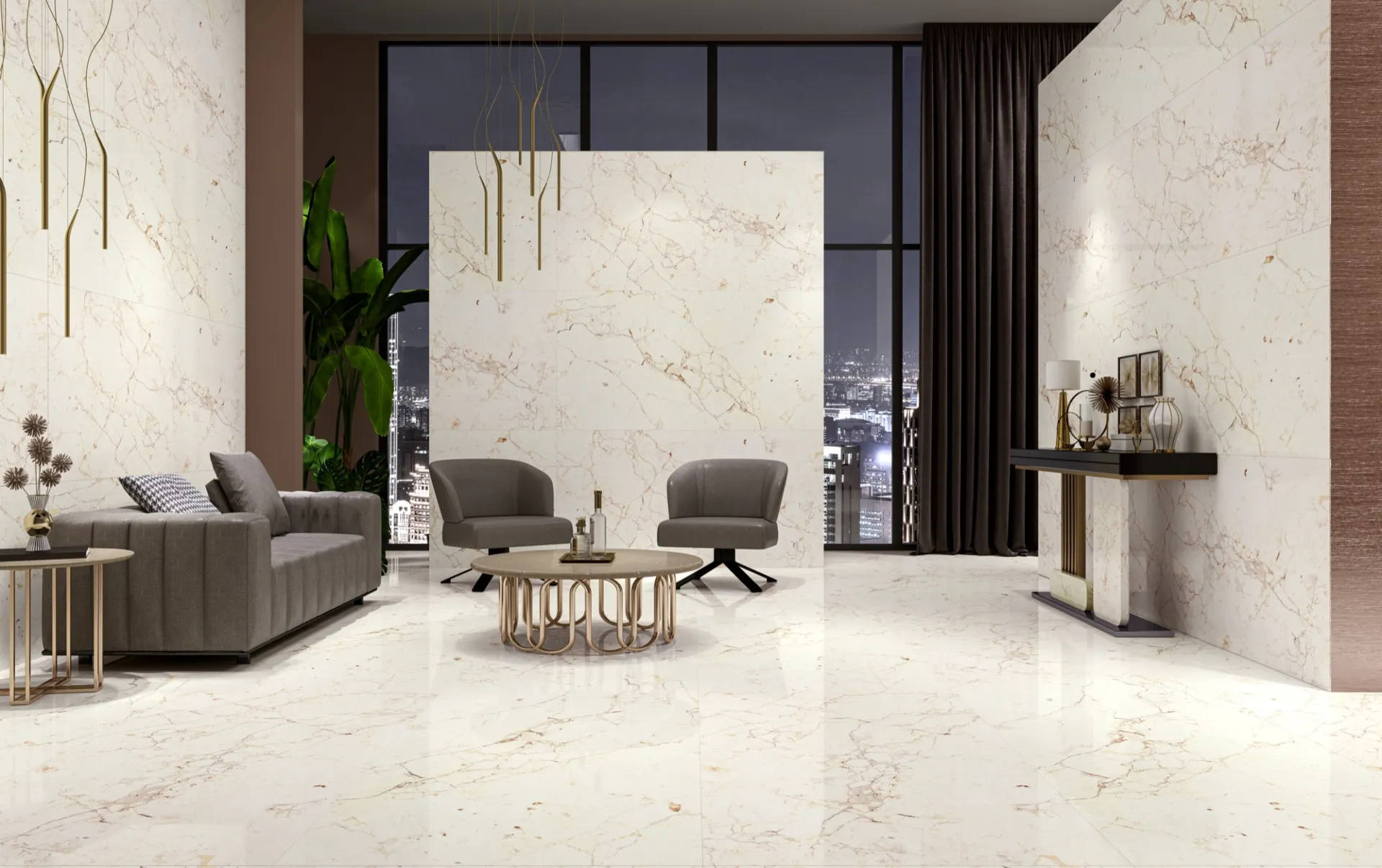
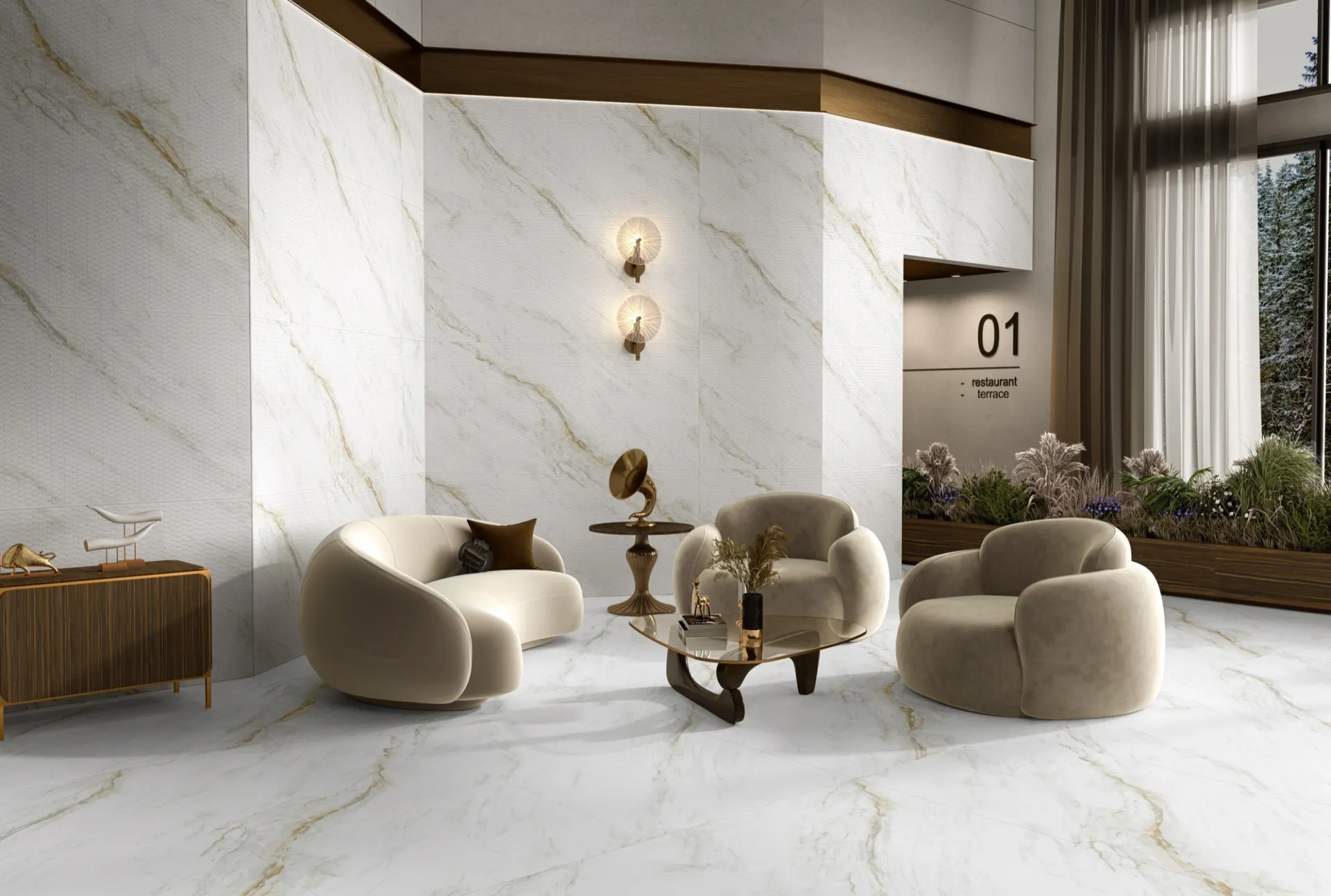
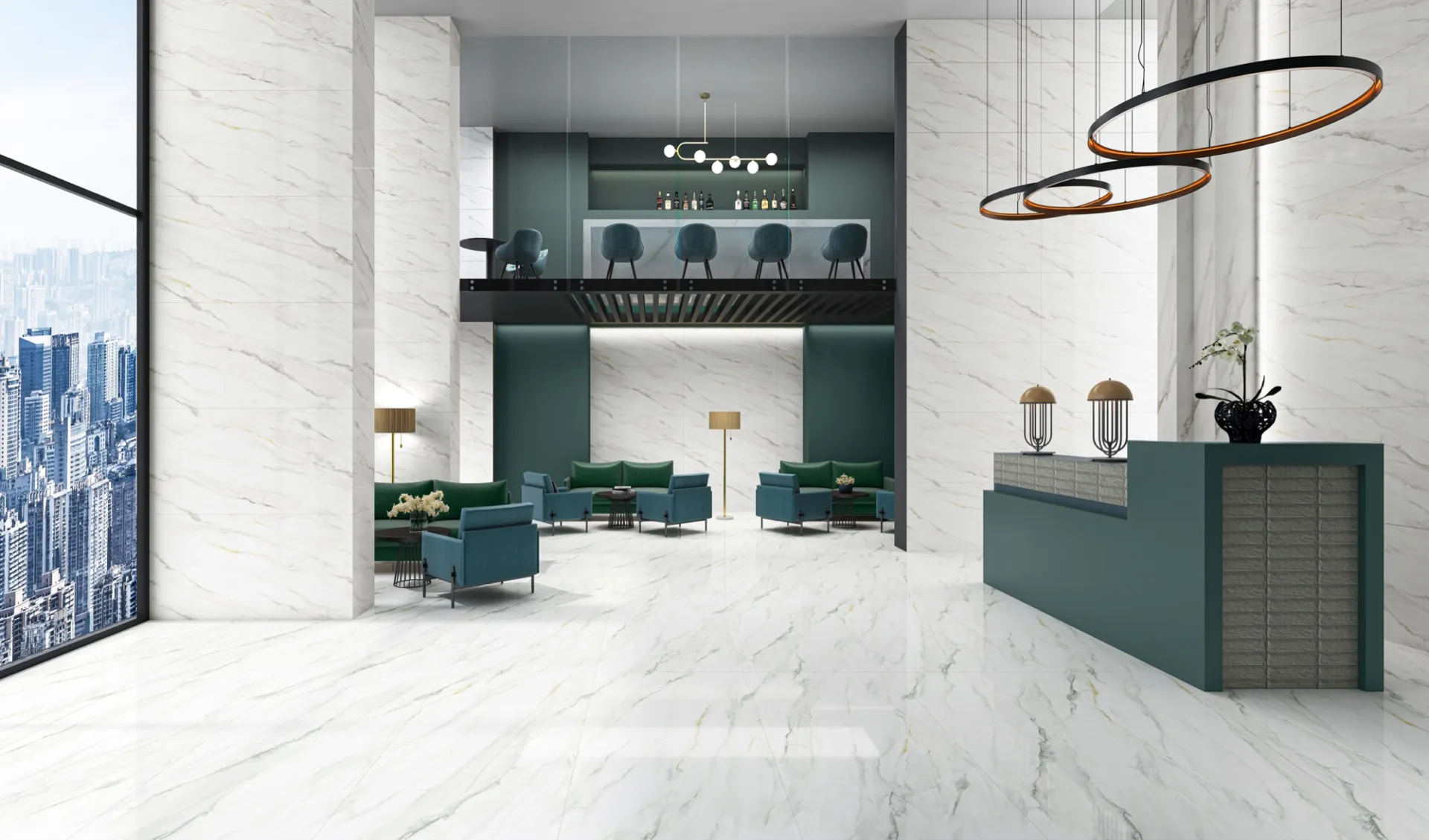
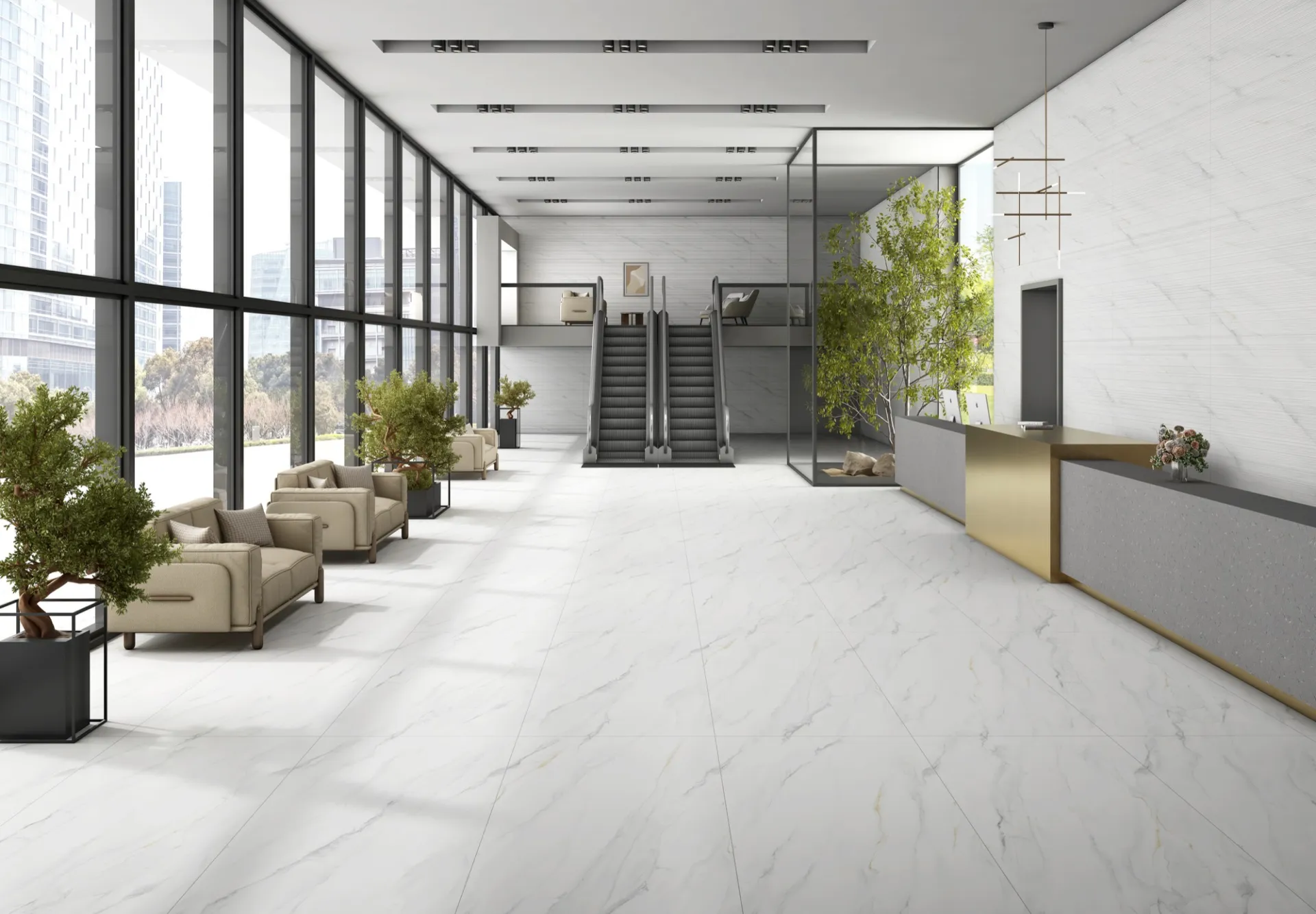
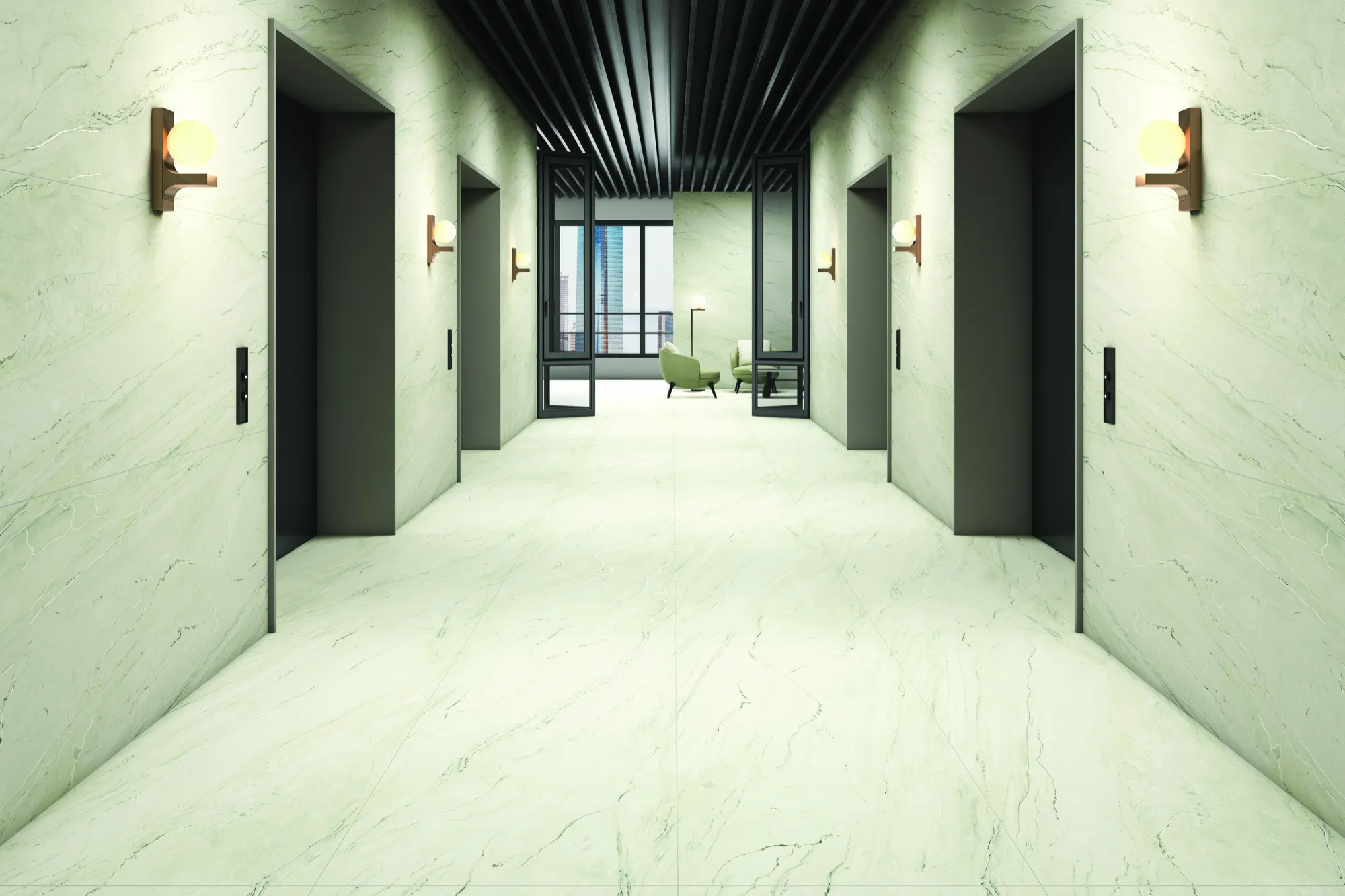
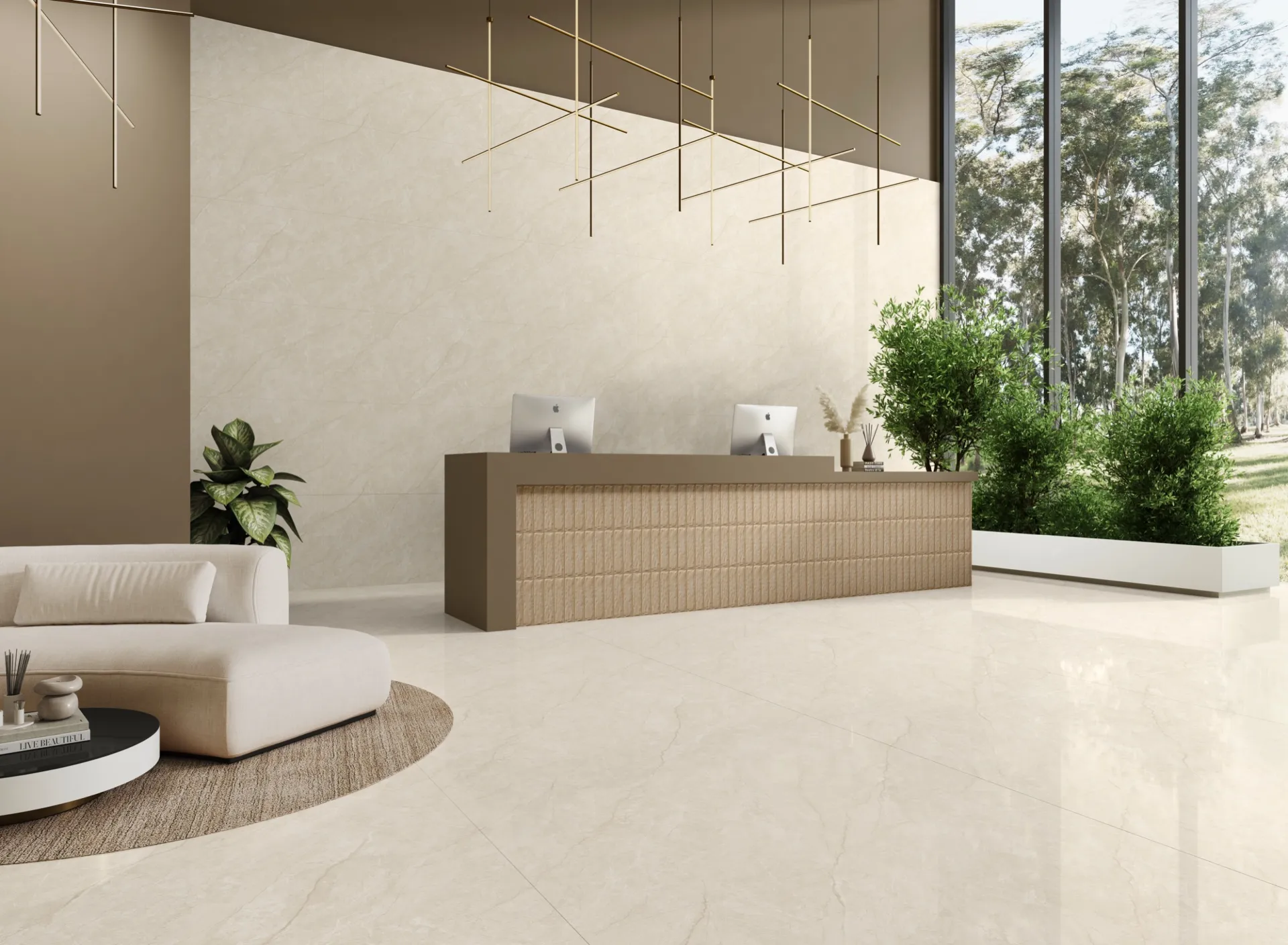
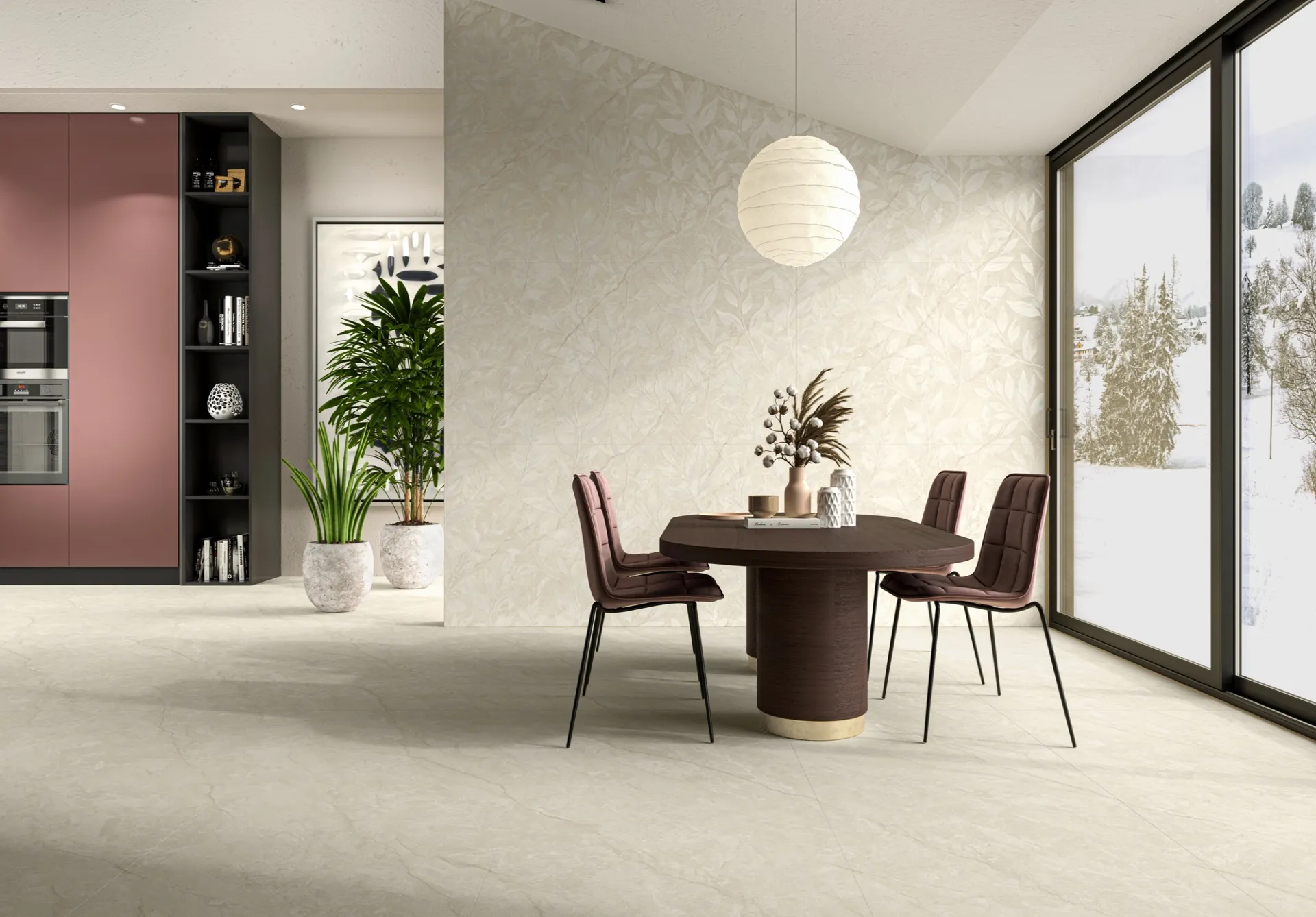
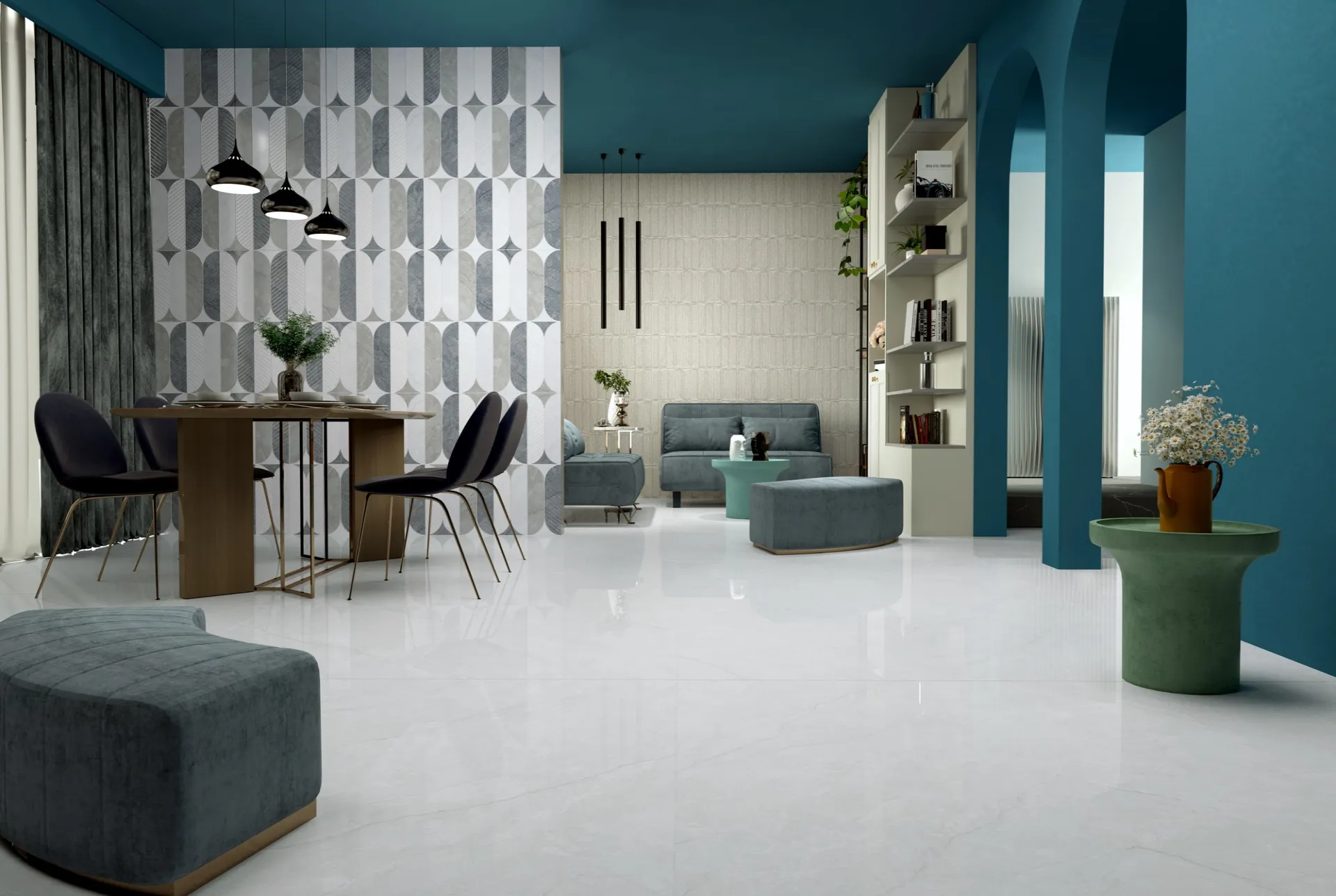
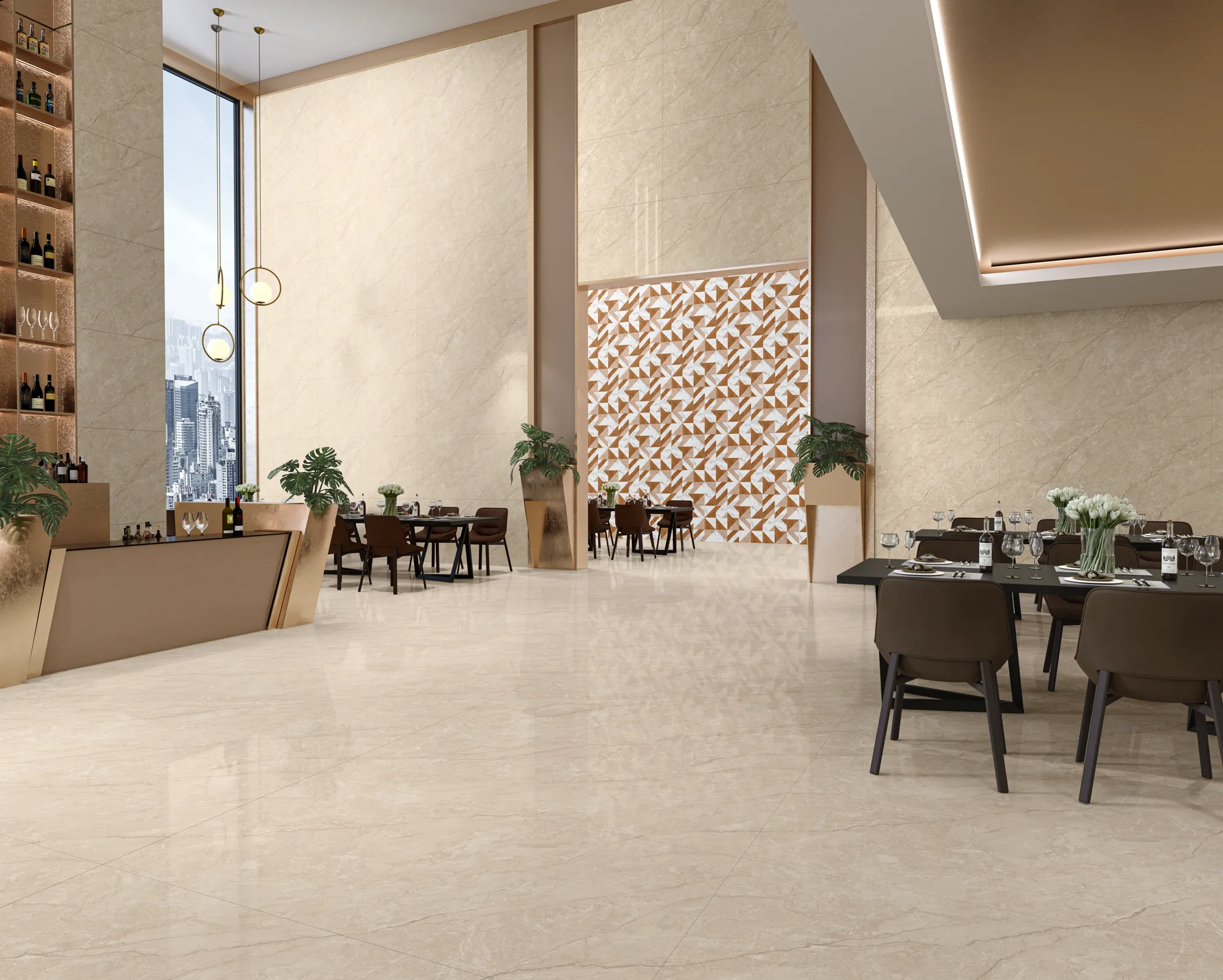
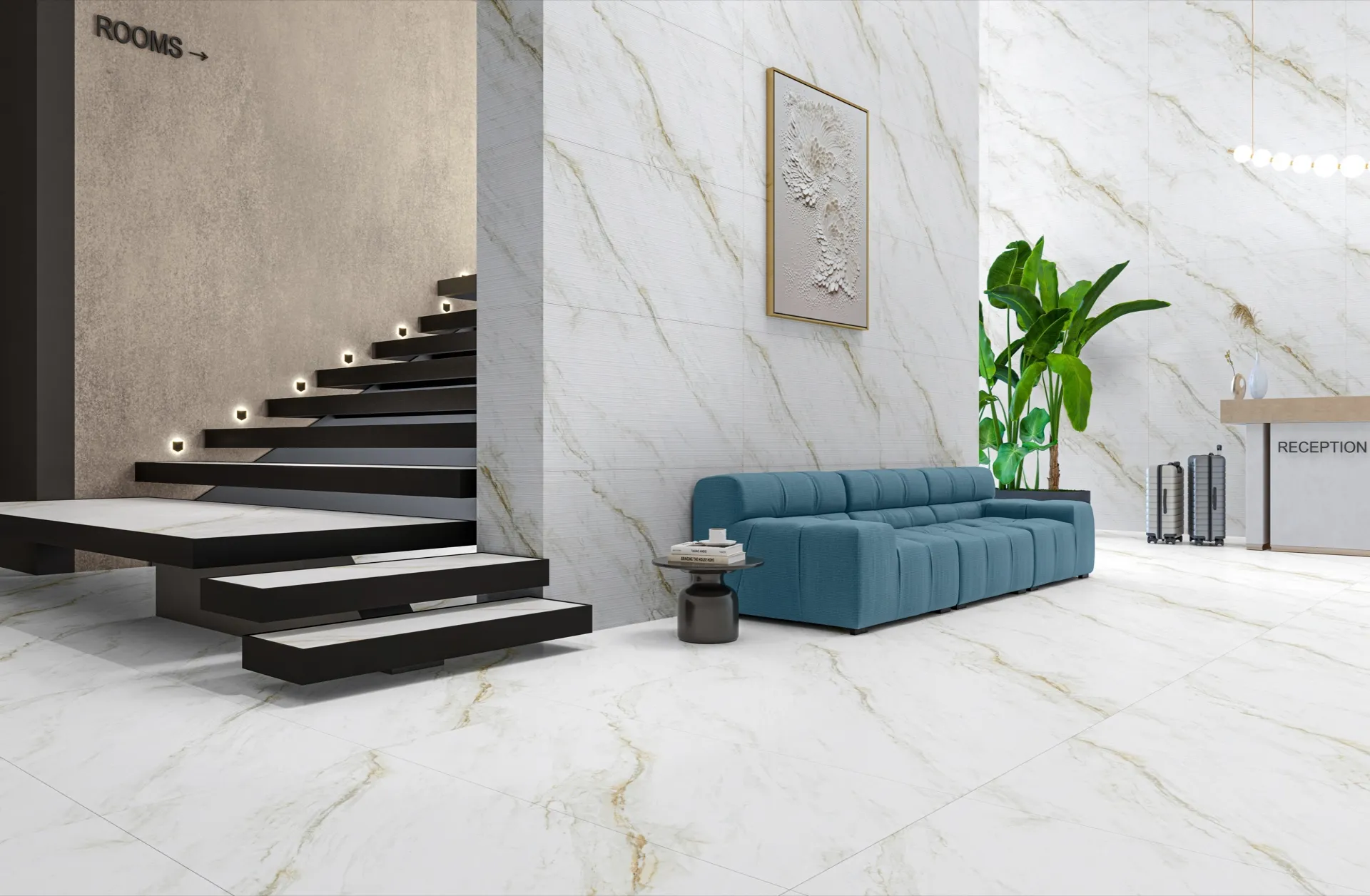
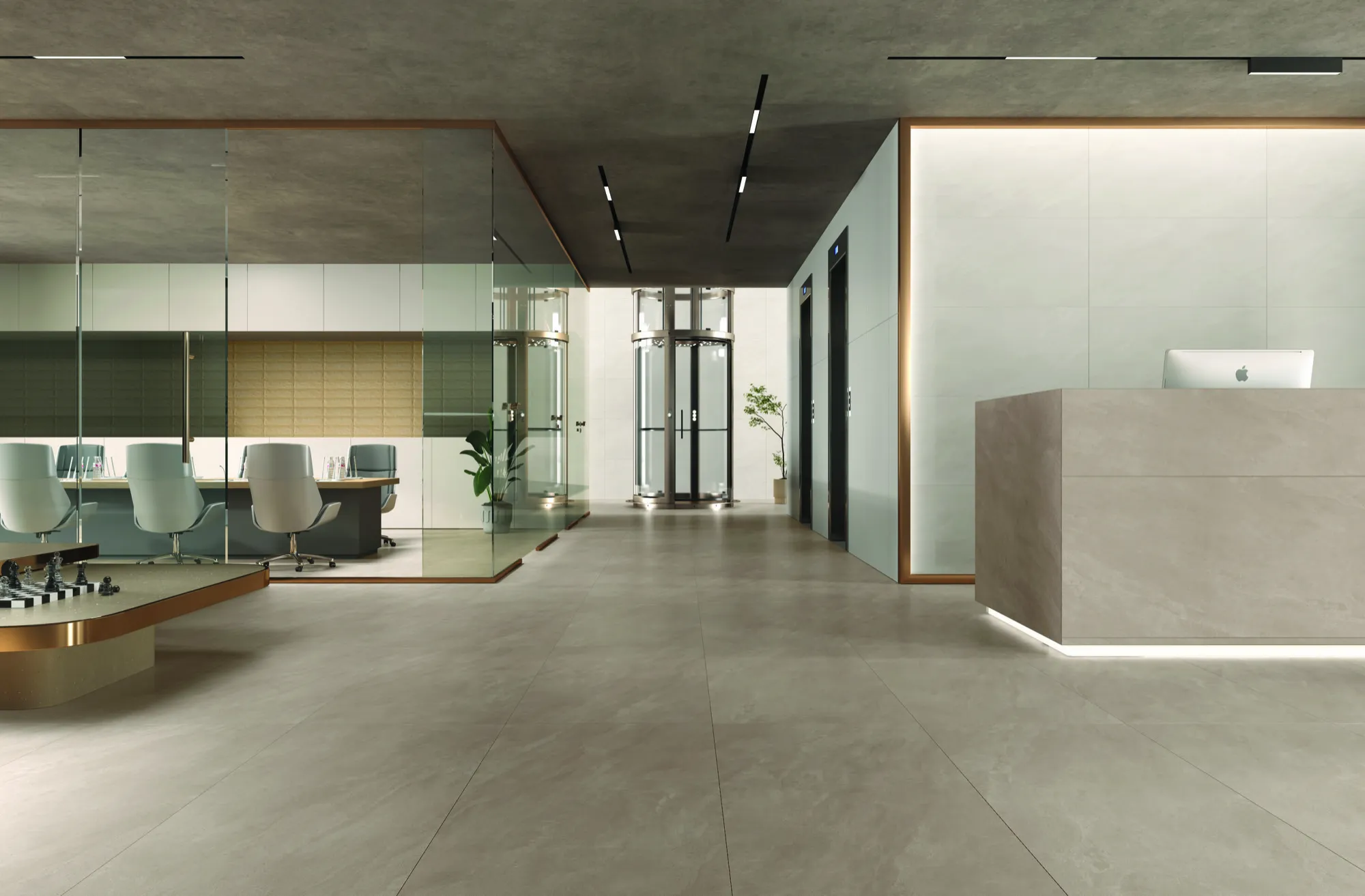
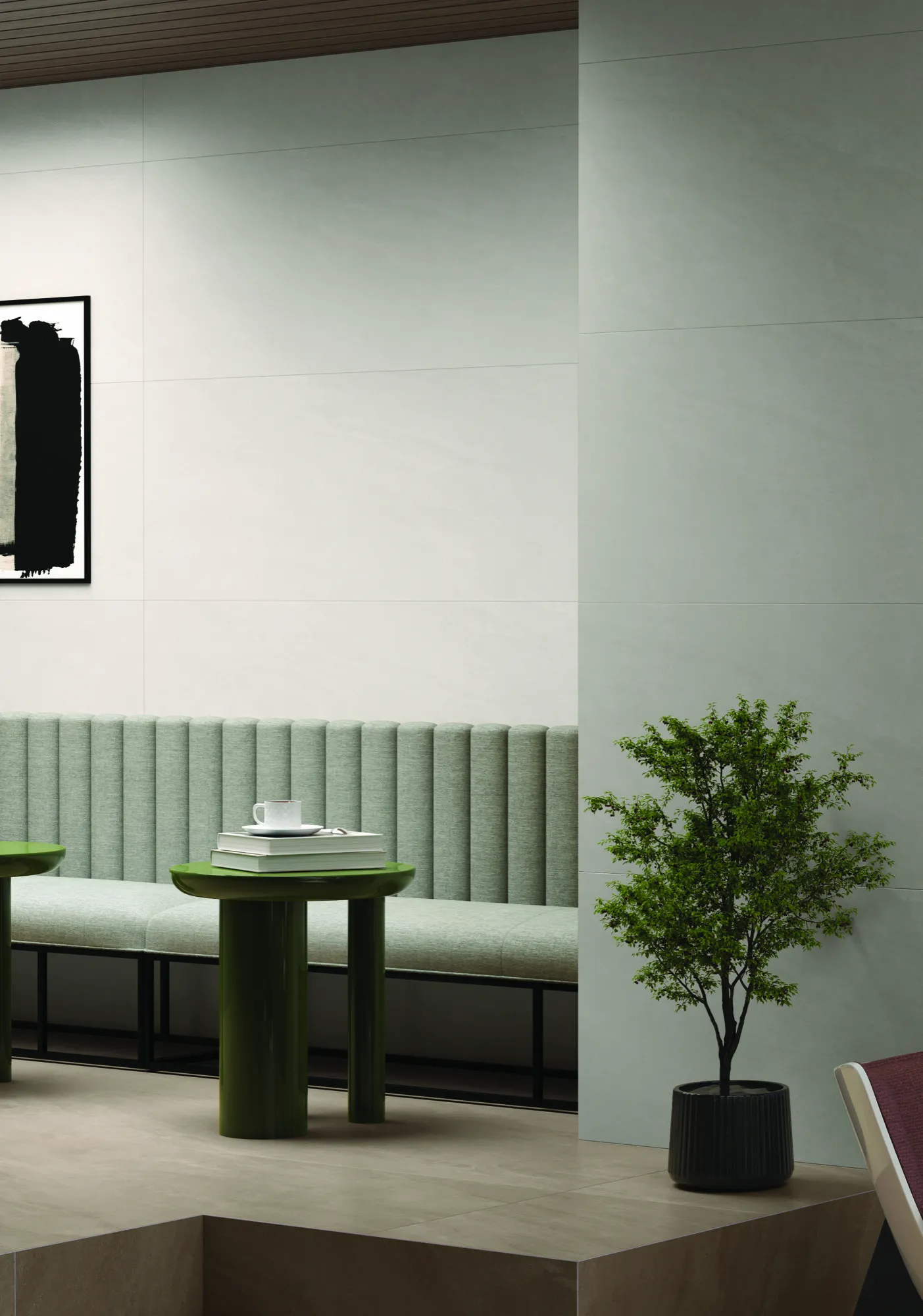
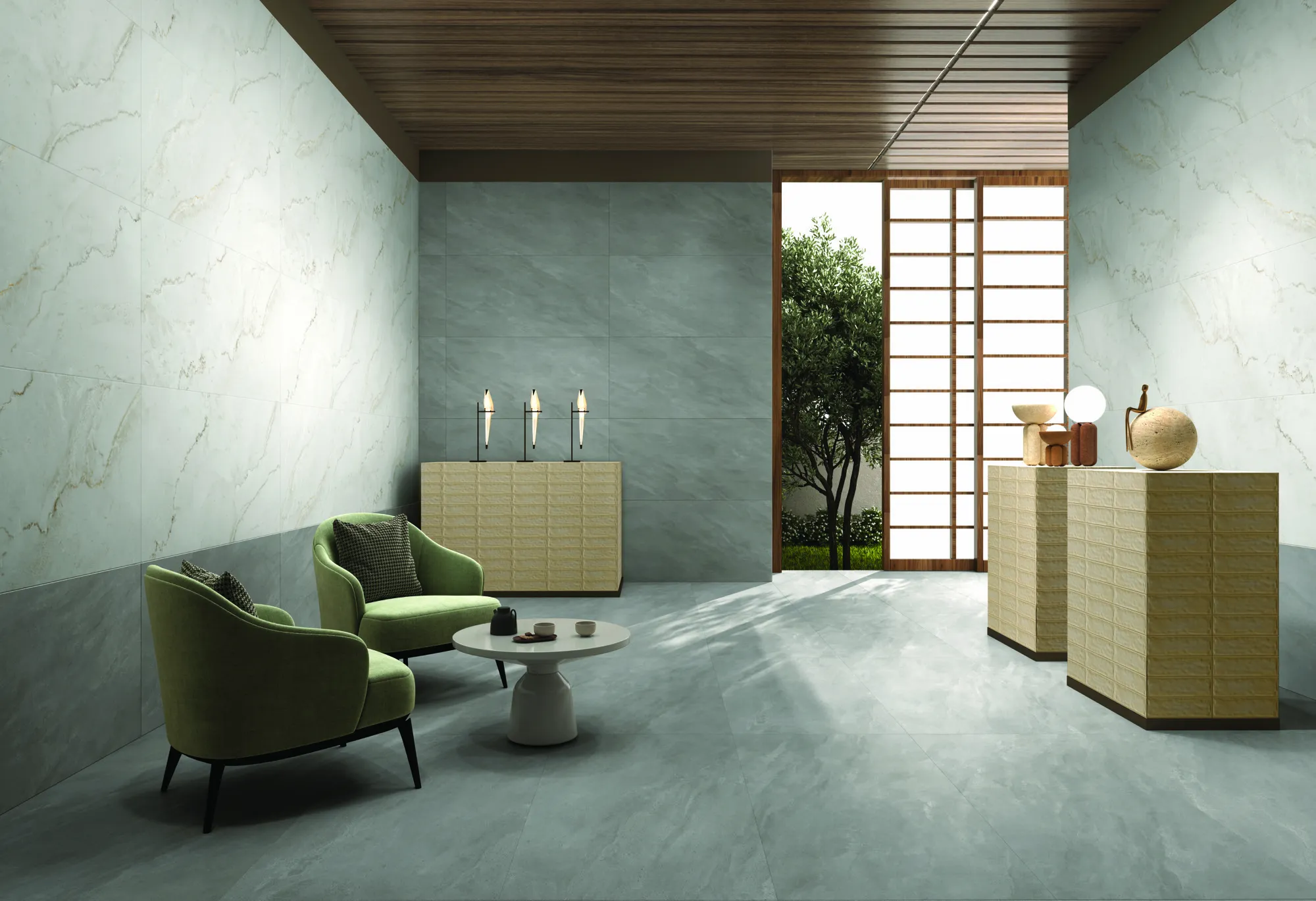
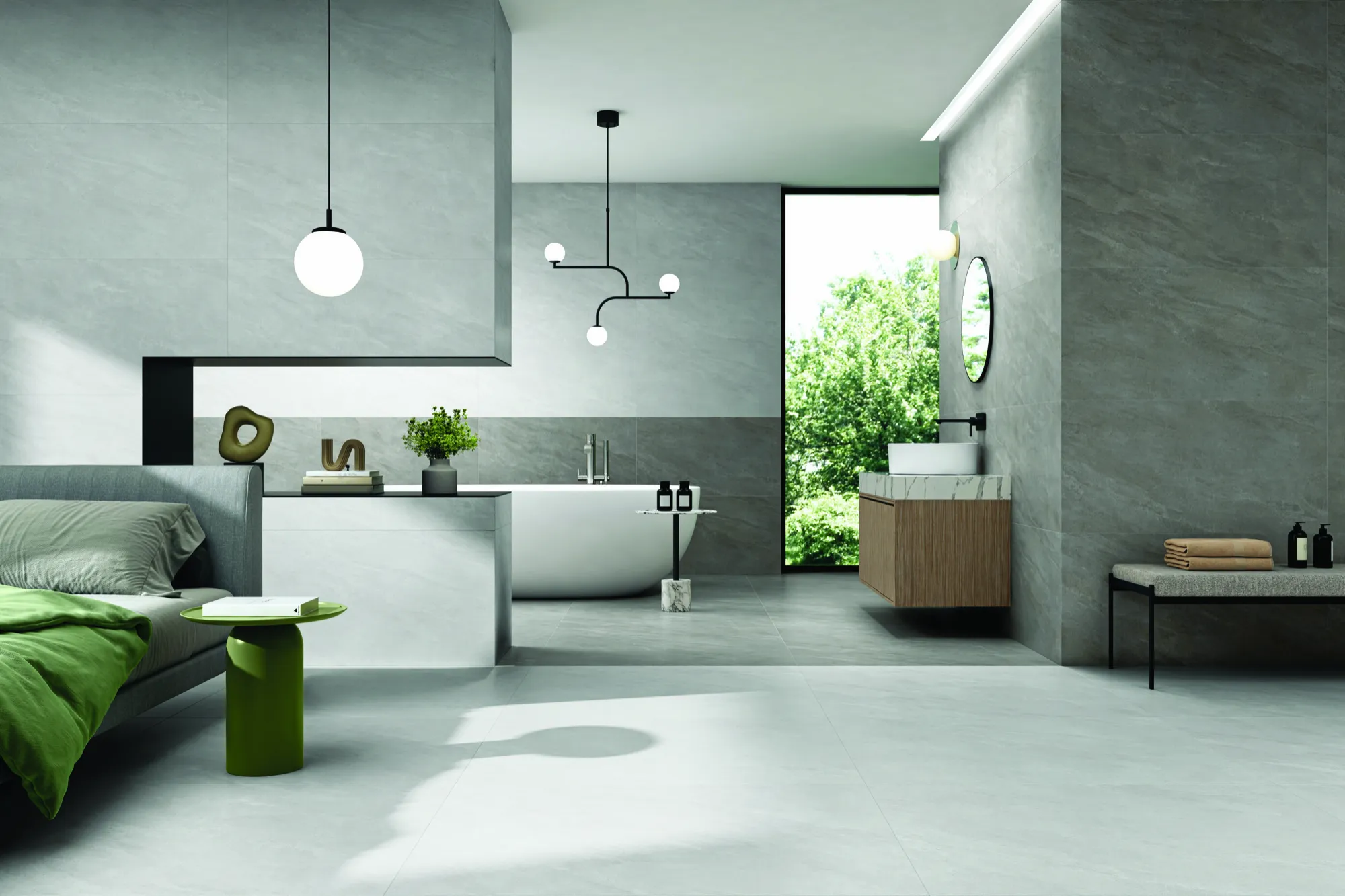
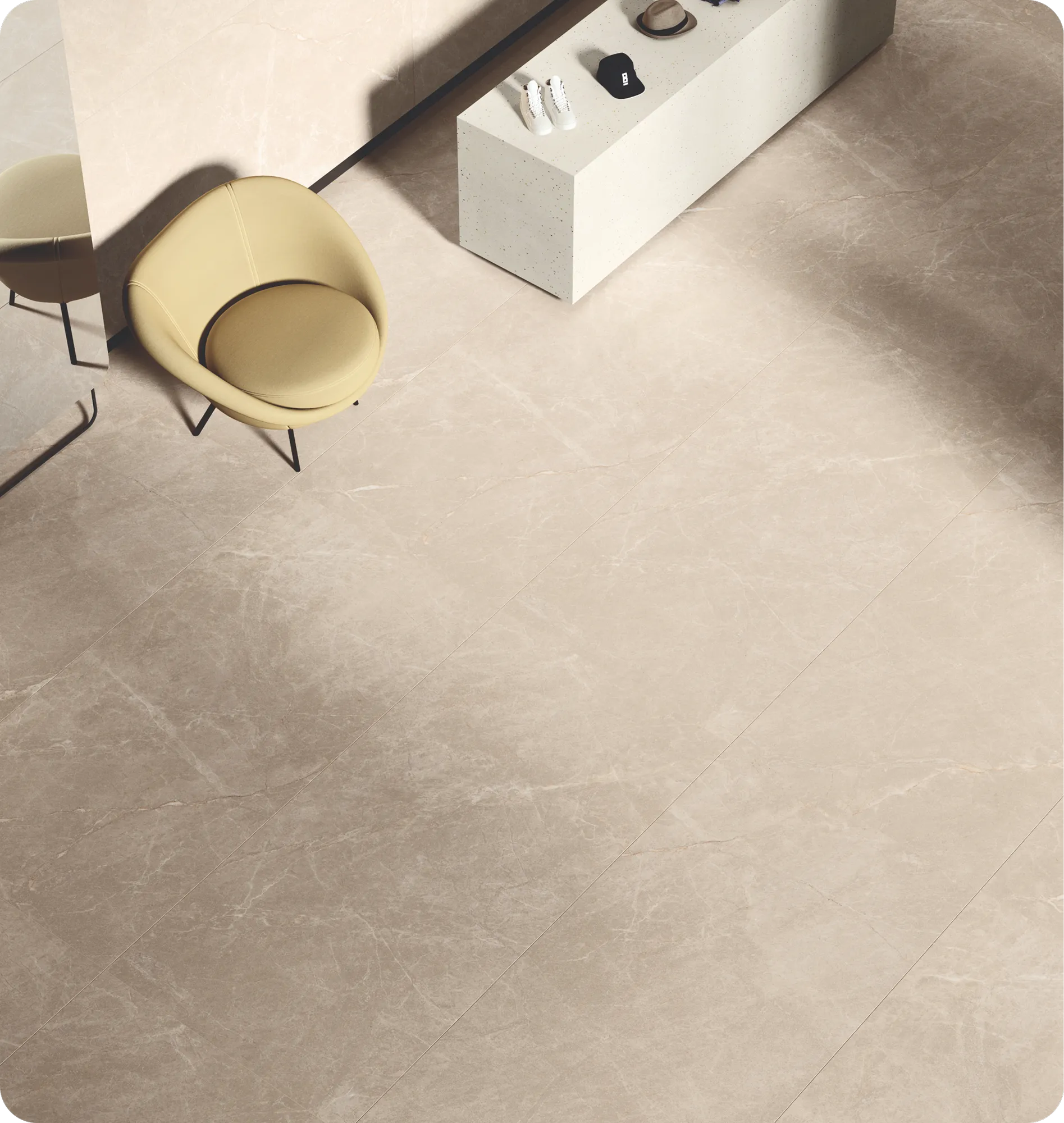
A contemporary surface defined by balanced texture and tonal consistency, crafted to create cohesive modern spaces.
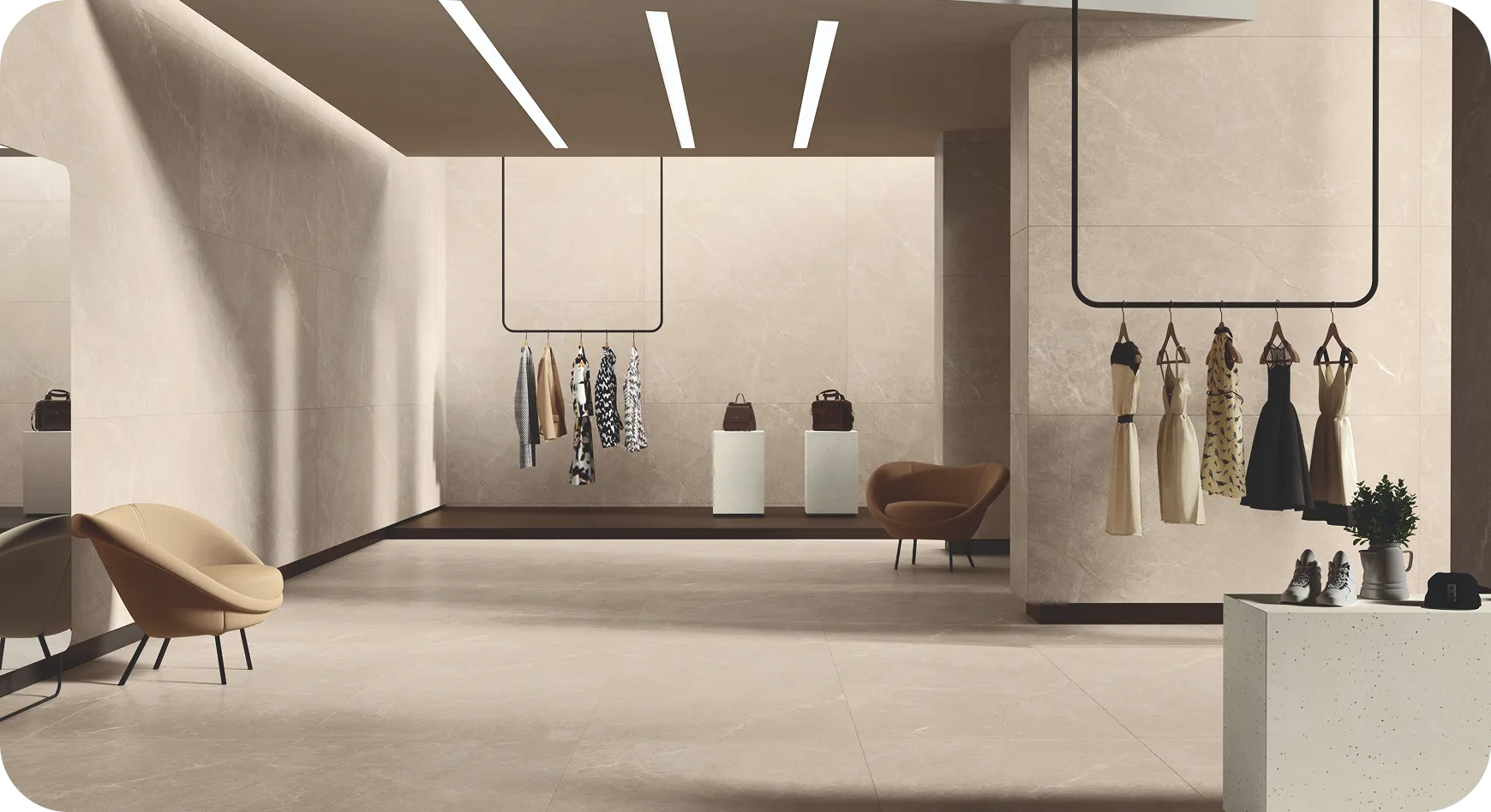
Inspired by architectural continuity, the collection promotes visual flow through restrained texture and balanced colour movement. Light interacts softly across its surface, reinforcing depth while maintaining serenity. Its understated character allows it to complement diverse design elements, from minimal interiors to layered material palettes. Rooted in proportion and material clarity, Harmony offers a timeless aesthetic that enhances spatial unity while preserving individuality and warmth.
Harmony blends measured surface detailing with versatile hues to deliver enduring finishes for elegant interiors. Available in 1200x1800mm, 800x1600mm and 600x1200mm.
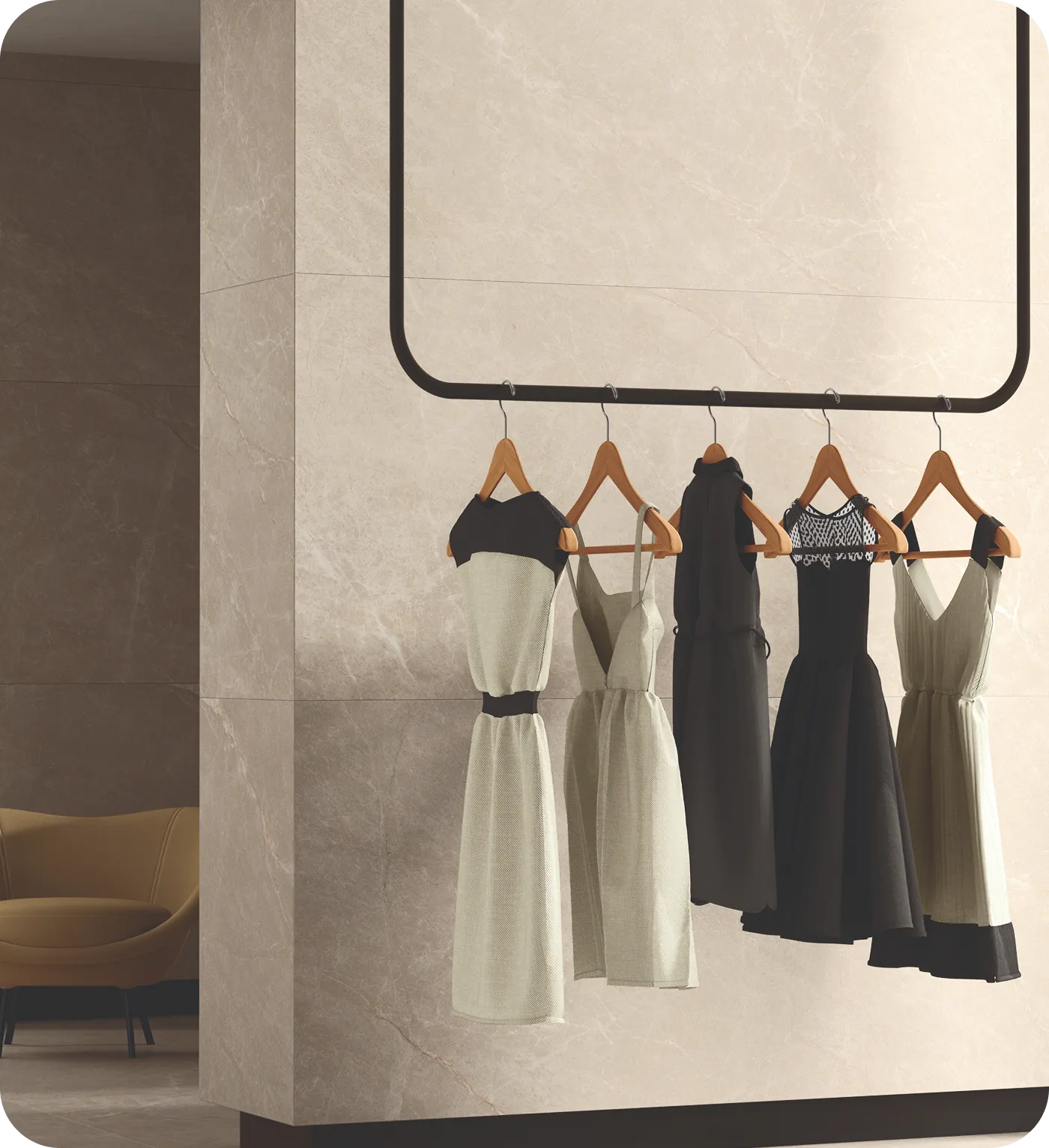
Vitrified tiles are made by a high-temperature vitrification process combining clay, silica and feldspar. This creates a dense, glass-like finish making the tiles very hard, durable and nearly impermeable to water.
A tile where the color and pattern go all the way through the body, meaning scratches or wear won't reveal a different color underneath.
Porcelain tiles are fired at higher temperatures and are denser and harder than ceramic tiles. They absorb <0.5% water (ASTM standard), whereas ceramic tiles absorb ~3–7%. Porcelain’s low porosity makes it more durable and water-resistant.
Ceramic tiles are made from clay and other natural materials, while vitrified tiles are made from a mixture of clay and other materials that are then fired at high temperatures to create a denser, more durable tile.
Some common types of vitrified tiles include full-body vitrified tiles, double-charged vitrified tiles, and digital vitrified tiles. To know more visit Somany Experience centre for better understanding of tiles there usage and application. We have close to 20 Experience centers across India.
Double charge and soluble salt tiles are both types of vitrified tiles, but they differ in the way they are manufactured and their visual characteristics. Double charge tiles are made by pressing two layers of different colors of raw materials together and firing them at high temperatures. The top layer is around 3-4 mm thick, which gives the tile a thicker and denser surface. This process creates a tile with a unique, multicolored pattern that is highly resistant to scratches and stains. Soluble salt tiles, on the other hand, are made by printing a design on the surface of the tile and then applying a soluble salt solution that seeps into the tile's pores. This process results in a tile with a single, uniform color and design, and a smooth surface. Soluble salt tiles are generally more affordable than double charge tiles, but they are not as durable and are more prone to wear and tear. In summary, the main differences between double charge and soluble salt tiles are the manufacturing process, the visual characteristics, and the level of durability. Double charge tiles have a unique, multicolored pattern and are highly durable, while soluble salt tiles have a uniform color and design and are more affordable but less durable. Somany offers Somany Ultra Charge and Soluble salt range which is best in the market in terms of design and quality.
Vitrified tiles are highly non-porous and are thus way more resistant towards stains than regular ceramic tiles. Ceramic tiles are generally available with coarse textures and surfaces, which makes them less slippery. Vitrified tiles have a smooth and glossy surface. Ceramic tiles are made from clay and other natural materials, while vitrified tiles are made from a mixture of clay and other materials that are then fired at high temperatures to create a denser, more durable tile.
Double charge and soluble salt tiles are both types of vitrified tiles, but they differ in manufacturing process, visual characteristics, and durability: Double Charge Tiles: Made by pressing two layers of raw materials together and firing at high temperatures. The top layer (3–4 mm) creates a thick, dense surface with unique multicolored patterns. Highly resistant to scratches and stains. Soluble Salt Tiles: Manufactured by printing a design on the surface and applying a soluble salt solution that seeps into the pores. Results in a uniform color/design with a smooth surface. More affordable but less durable and prone to wear. Summary: Double charge tiles are durable, scratch-resistant, and patterned, while soluble salt tiles are uniform, budget-friendly, but less durable. Somany offers Ultra Charge and Soluble Salt ranges, known for top quality and design.
Homogeneous Vitrified Tiles have a uniform color and texture throughout the tile, which makes them ideal for high-traffic areas like hospitals, schools, and public spaces. They are also highly durable and resistant to wear and tear. Somany Tech Homogenea is the best homogeneous range in the market available in various finishes, textures and sizes.
Yes, Homogeneous Vitrified Tiles can be used for residential applications, particularly in high-traffic areas like entryways, kitchens, and bathrooms.
Homogeneous Vitrified Tiles come in a range of colors and textures, including solid colors, speckled patterns, and textured finishes.
Our commitment to quality is recognized worldwide. These awards and certifications reflect our unwavering standards and assure you of a truly world-class product.


