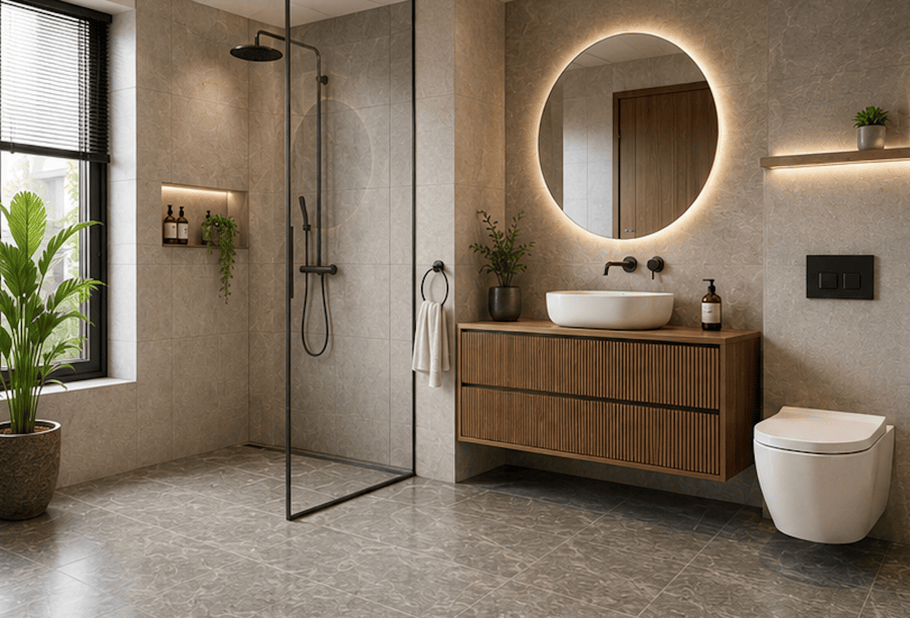
Vitrified Tiles vs Ceramic Tiles

Compare vitrified and ceramic tiles for floors, walls, traffic, and maintenance — then browse Somany Duragres and Ceramica collections.

By Somany Design Team

Homeowners often ask whether they should buy vitrified or ceramic tiles. Both belong in modern Indian homes — they simply solve different jobs. This guide explains the practical differences so you can match material to room, traffic, and budget, then explore Somany ranges with clearer intent.

What “vitrified” and “ceramic” mean in practice

Vitrified tiles are denser, with very low water absorption. That density supports strength, stain resistance, and long wear on floors and busy interiors. Ceramic tiles are typically lighter and highly versatile for walls and many residential spaces, with a wide design range at accessible price points.

Browse Somany vitrified tiles (including Duragres GVT looks) and ceramic tiles (Ceramica collections) to compare real designs side by side.

Where each type usually wins

Floors and high traffic: Vitrified options are the safer default for living rooms, corridors, kitchens underfoot, and many commercial interiors. Walls and feature zones: Ceramic shines for bathrooms, kitchens, bedrooms, and accent walls where wipe-clean finishes and design variety matter most. Many homes mix both — vitrified floors with ceramic walls — for durability plus style.

Need space-specific picks? See bathroom tiles, kitchen tiles, floor tiles, and wall tiles.

Finish, size, and care still matter

Material type is only half the decision. Matte or textured finishes improve grip in wet areas; gloss brightens walls. Larger formats reduce grout cleaning on open floors; mosaics help in showers. Day-to-day care for both families of tiles is similar: mild cleaners, prompt spill wiping, and attention to grout. Specialty technologies such as Slip Shield or VC Shield add performance where the room demands it.

How to choose without overthinking

  1. Name the room and floor vs wall application
  2. Shortlist vitrified for demanding floors; ceramic for many walls and design features
  3. Filter by size, finish, and look
  4. Sample in real light and confirm installation system

For a broader buying framework, read How to Choose the Right Tiles for Your Home. Common questions are answered on the Tiles FAQ. Find dealers via Find Near Me, or visit Delhi and Mumbai Experience Centres.

Frequently Asked Questions

What is the main difference between vitrified and ceramic tiles? Vitrified tiles are denser with lower water absorption, which suits floors and high-traffic use. Ceramic tiles are lighter and highly versatile for walls and many residential interiors.

Can I use ceramic tiles on floors? Some ceramic floors work in moderate-traffic interiors, but for busy floors many homeowners prefer vitrified options for density and wear resistance. Always check the product’s recommended application.

Can I mix vitrified and ceramic in one home? Yes. A common approach is vitrified floors with ceramic walls or highlighters. Keep tones coordinated and confirm thickness and adhesive with your installer.

Where should I browse Somany options next? Start with vitrified and ceramic category pages, then refine by space on tiles or ask more questions on the Tiles FAQ.

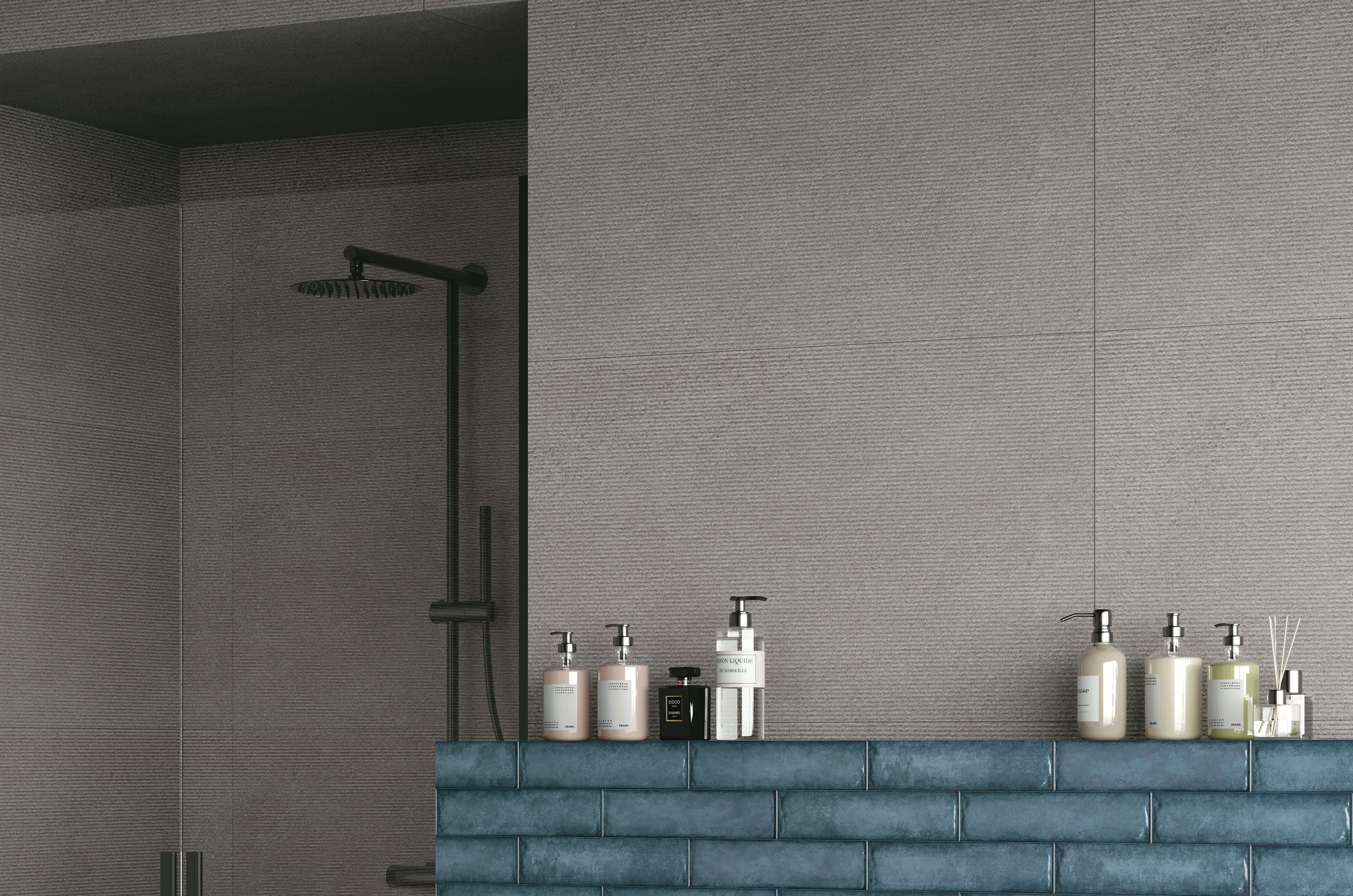
Vitrified Tiles vs Ceramic Tiles | Somany Ceramics

Compare vitrified and ceramic tiles for floors, walls, traffic, and maintenance — then browse Somany Duragres and Ceramica collections.

GuidestilesBy Somany Design Team12 Jul 2026Source

Vitrified Tiles vs Ceramic Tiles

Vitrified tiles vs ceramic tiles comparison guide by Somany Ceramics

Homeowners often ask whether they should buy vitrified or ceramic tiles. Both belong in modern Indian homes — they simply solve different jobs. This guide explains the practical differences so you can match material to room, traffic, and budget, then explore Somany ranges with clearer intent.

What “vitrified” and “ceramic” mean in practice

Vitrified tiles are denser, with very low water absorption. That density supports strength, stain resistance, and long wear on floors and busy interiors. Ceramic tiles are typically lighter and highly versatile for walls and many residential spaces, with a wide design range at accessible price points.

Browse Somany vitrified tiles (including Duragres GVT looks) and ceramic tiles (Ceramica collections) to compare real designs side by side.

Where each type usually wins

Floors and high traffic: Vitrified options are the safer default for living rooms, corridors, kitchens underfoot, and many commercial interiors. Walls and feature zones: Ceramic shines for bathrooms, kitchens, bedrooms, and accent walls where wipe-clean finishes and design variety matter most. Many homes mix both — vitrified floors with ceramic walls — for durability plus style.

Need space-specific picks? See bathroom tiles, kitchen tiles, floor tiles, and wall tiles.

Finish, size, and care still matter

Material type is only half the decision. Matte or textured finishes improve grip in wet areas; gloss brightens walls. Larger formats reduce grout cleaning on open floors; mosaics help in showers. Day-to-day care for both families of tiles is similar: mild cleaners, prompt spill wiping, and attention to grout. Specialty technologies such as Slip Shield or VC Shield add performance where the room demands it.

How to choose without overthinking

  1. Name the room and floor vs wall application
  2. Shortlist vitrified for demanding floors; ceramic for many walls and design features
  3. Filter by size, finish, and look
  4. Sample in real light and confirm installation system

For a broader buying framework, read How to Choose the Right Tiles for Your Home. Common questions are answered on the Tiles FAQ. Find dealers via Find Near Me, or visit Delhi and Mumbai Experience Centres.

Frequently Asked Questions

What is the main difference between vitrified and ceramic tiles? Vitrified tiles are denser with lower water absorption, which suits floors and high-traffic use. Ceramic tiles are lighter and highly versatile for walls and many residential interiors.

Can I use ceramic tiles on floors? Some ceramic floors work in moderate-traffic interiors, but for busy floors many homeowners prefer vitrified options for density and wear resistance. Always check the product’s recommended application.

Can I mix vitrified and ceramic in one home? Yes. A common approach is vitrified floors with ceramic walls or highlighters. Keep tones coordinated and confirm thickness and adhesive with your installer.

Where should I browse Somany options next? Start with vitrified and ceramic category pages, then refine by space on tiles or ask more questions on the Tiles FAQ.
Frequently Asked Questions